Nigeria’s agricultural sector has been identified as a critical driver of economic recovery, macroeconomic stability and social cohesion.
According to the Food and Agriculture Organization of the United Nations (FAO) the strategic importance of agriculture in addressing the country’s pressing economic and food security challenges remains significant.
Speaking at the economic discourse in Lagos, FAO Representative in Nigeria and to ECOWAS, Hussein Gadain, emphasized that agriculture is not merely a sectoral concern but a national imperative with far-reaching implications for growth, inflation management, and national security.
Delivering a keynote address themed “Food Security and Socioeconomic Stability: Options for Nigeria’s Agriculture Sector Rebound,” Gadain said agriculture’s rebound is no longer a sectoral ambition but a national imperative, given its deep linkages with food security, employment and macroeconomic stability.
According to him, food security extends beyond agricultural production, describing it as a pillar of national security, social cohesion and economic resilience. He warned that fragile food systems, worsened by climate shocks, insecurity and rising production costs, continue to deepen poverty, disrupt livelihoods and fuel inflation.
The FAO chief pointed to structural imbalances in Nigeria’s agricultural trade, noting that between 2016 and 2019, imports significantly outpaced exports, highlighting missed opportunities in value addition and competitiveness.
He added that while commodities such as sesame, cashew and cocoa dominate exports, heavy reliance on imports like wheat underscores the need to strengthen domestic production and value chains.
Despite these challenges, Gadain said Nigeria’s production base remains substantial, citing significant outputs in maize, rice, livestock and fisheries.
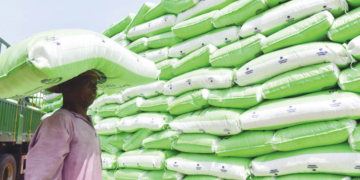
However, he stressed that productivity gains must be matched with investments in storage, processing and market access to reduce post-harvest losses and improve food availability.
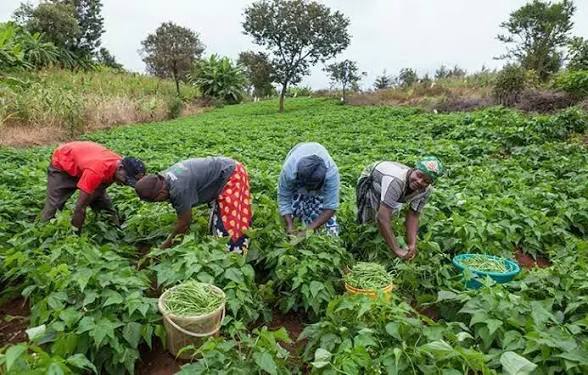
He further identified key constraints including insecurity in farming communities, climate variability, weak infrastructure and limited access to finance, particularly for smallholder farmers who account for over 80 per cent of producers and nearly 90 per cent of total output.
To unlock the sector’s full potential, Gadain outlined strategic priorities including scaling climate-smart agriculture, strengthening value chains, expanding rural finance, boosting trade competitiveness and restoring peace in agricultural communities.
He also emphasised the need for data-driven policies, stronger institutions and multi-stakeholder partnerships.
He said, “Food security is far more than an agriculture outcome; it is a pillar of national security, macroeconomic stability, social cohesion, and peace.
Nigeria’s agricultural rebound is not simply a sectoral ambition; it is a national economic and social imperative.
Fragile food systems translate directly into household vulnerability, rising poverty, and inflationary pressures in the economy.”
He added, “We must move beyond subsistence farming toward sustainable, high-yield production supported by climate-smart technologies and innovation.
Strong and inclusive value chains are essential to reducing food loss, stabilizing supply, and ensuring that farmers, especially women and youth, benefit from growth”.
“A sector cannot rebound without access to finance. Smallholders and agripreneurs need affordable credit, insurance, and market linkages.
Nigeria is well positioned to become a regional hub for agro-processing and trade under AfCFTA, but this requires deliberate investments in infrastructure, standards, and competitiveness.
Ultimately, Nigeria’s agriculture sector holds the key to food security, economic recovery, and long-term social stability.”
We’ve got the edge. Get real-time reports, breaking scoops, and exclusive angles delivered straight to your phone. Don’t settle for stale news. Join LEADERSHIP NEWS on WhatsApp for 24/7 updates →
Join Our WhatsApp Channel