Organised labour in Nigeria’s textile sector has raised fresh concerns over the steady decline of the once-thriving industry, calling on the Federal Government to urgently implement a comprehensive revival plan to halt further job losses and economic decline.
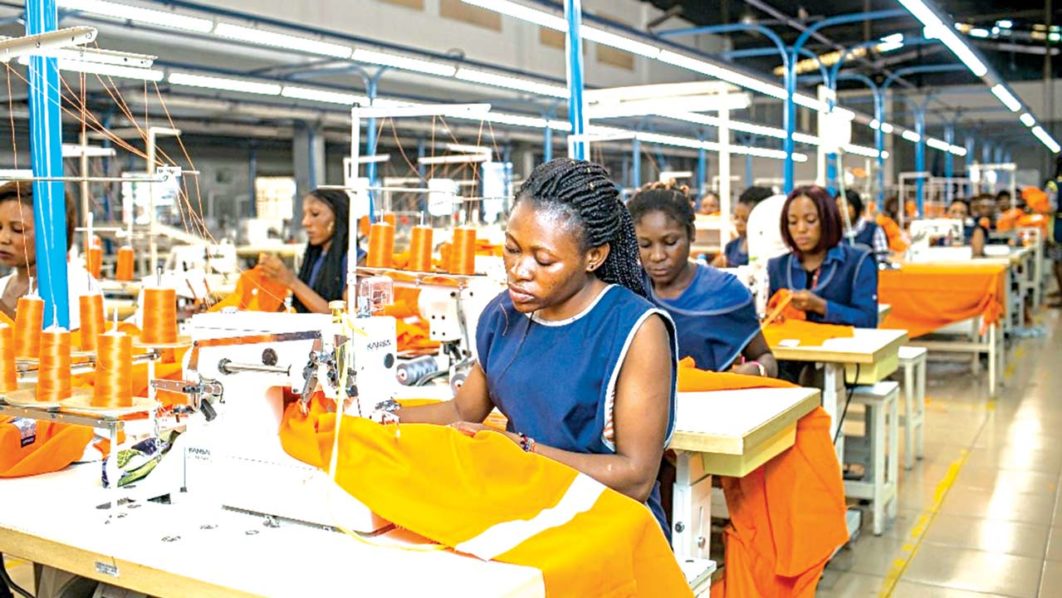
The National Union of Textile, Garment and Tailoring Workers of Nigeria (NUTGTWN) said the sector has lost over 650,000 jobs over the decades, shrinking from a workforce of about 750,000 in the 1980s to fewer than 100,000 currently.
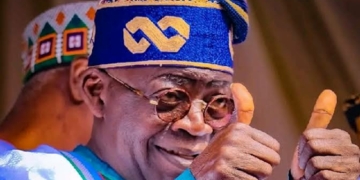
Speaking with LEADERSHIP, President of NUTGTWN, Comrade Peter Godonu, lamented what he described as years of neglect by successive governments, warning that the industry risks total collapse without immediate and decisive intervention.
“We are ready to resume our contributions towards the growth and development of the economy if given a conducive environment,” Godonu said. “The Federal Government must take urgent steps to revive this sector, which was once a major employer of labour in Nigeria.”
He attributed the decline of the textile industry to a combination of policy inconsistencies, smuggling, and poor infrastructure, particularly unstable electricity supply, adding that these challenges have made it difficult for local manufacturers to compete with imported fabrics.
According to him, the influx of foreign textiles into Nigerian markets continues to undermine local production and export jobs to other countries.
“We were known as one of the greatest job creators in the past, but today foreign textiles dominate our markets. By allowing this, we are creating jobs for other nations while our own industries collapse,” he said.
Godonu also urged the government to strengthen measures against smuggling and enforce local content policies to protect indigenous manufacturers. He stressed that stable and affordable power supply remains critical to any meaningful revival of the sector.
The union leader further linked the industry’s struggles to broader concerns about workers’ welfare, especially as Nigeria prepares to mark Workers’ Day on May 1, 2026.
He called on the government to treat workers as partners in national development by improving welfare packages to cushion the effects of economic hardship.
He also appealed to workers in the sector to remain committed and progressive despite the challenges facing the industry.
Findings indicate that while the Federal Government, through the Bank of Industry (BOI), has made attempts to support the sector, such as providing funding to firms like United Nigeria Textiles Limited (UNTL) and enforcing local content initiatives, stakeholders insist that more sustained investment and policy consistency are required.
Once a cornerstone of Nigeria’s industrial base and a significant contributor to the Gross Domestic Product (GDP), the textile industry has suffered massive setbacks due to economic policy shifts that opened the market to unchecked importation.
Today, with factories shuttered and employment drastically reduced, industry players warn that without urgent intervention, the sector may struggle to regain its lost prominence in the nation’s economy.
We’ve got the edge. Get real-time reports, breaking scoops, and exclusive angles delivered straight to your phone. Don’t settle for stale news. Join LEADERSHIP NEWS on WhatsApp for 24/7 updates →
Join Our WhatsApp Channel