
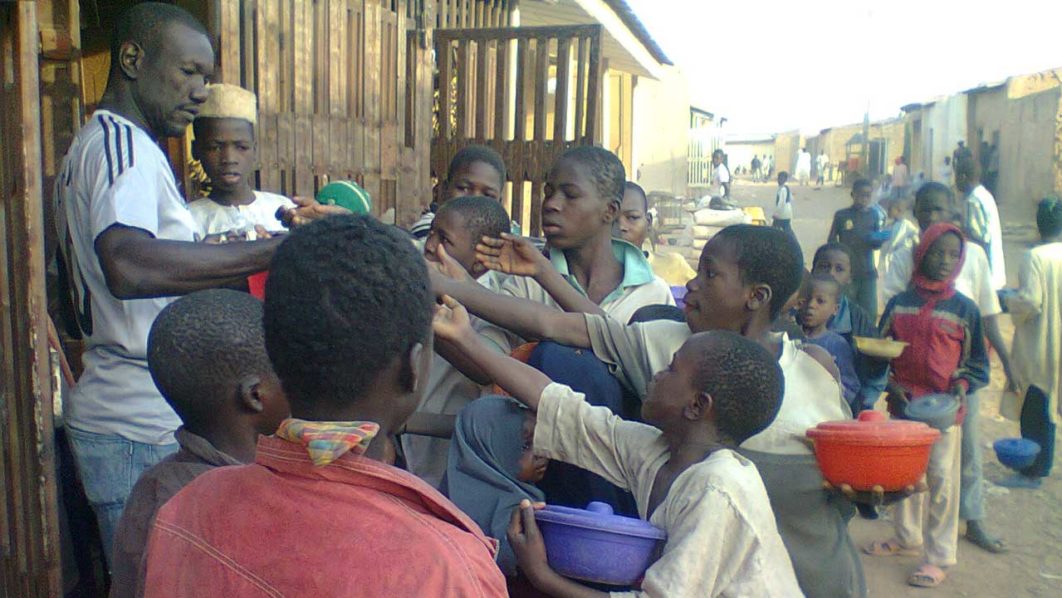
The Bauchi State government with support from the United States (US) Government and collaboration with the United Nations Children’s Fund (UNICEF) has launched an initiative to combat malnutrition during the first 1,000 days of a child’s life.
The programme will target mothers and infants across all the 20 local government areas in the state, focusing on the critical window from conception to a child’s second birthday, a period experts say is vital for physical growth, brain development and long-term health.
At the inception meeting in Bauchi, the state commissioner for Health and Social Welfare, Dr Sani Mohammed Dambam, described the drive as critical to safeguarding child survival and development.
Dambam addressed deputy chairmen of the 20 LGAs, who also serve as chairmen of nutrition committees in their councils. “You are strong stakeholders for everything that affects your local government, and you have the full backing of your chairmen,” he said.
Malnutrition remains a major public health concern in Bauchi, contributing to high rates of stunting and under-five mortality. State officials say the initiative aligns with broader efforts to reduce preventable child deaths.
In a remark on behalf of DrNuzhat Rafique, Chief of UNICEF Bauchi Field Office, nutrition specialist Philomena Irene said the programme reflected ongoing efforts to improve health outcomes for women and children.
“Today marks an important mission in Bauchi State’s journey towards improving maternal and child health,” Irene said.
She cited troubling health indicators, particularly anemia rates, as a key concern.
“These statistics are not what we are proud of, even as UNICEF. We are thankful that the government has provided an enabling environment for us to tackle these challenges,” she added.
In his welcome address, DrRilwanu Mohammed, executive chairman of the Bauchi State Primary Health Care Development Board, reaffirmed UNICEF’s motto: “Let every child survive”, stressing that maternal health and infant care during the first 1,000 days determine whether a child will thrive or face lifelong setbacks.
Dr Mohammed urged pregnant women to attend antenatal care, warning that missed ANC visits raise risks of complications, preterm births, low birth weight, and maternal death.
“We want mothers to deliver in a healthcare facility. Delivery at home without skilled care puts both mother and baby at risk,” he said.
He also emphasised exclusive breastfeeding for the first six months, noting that breast milk provides sufficient water, nutrients, and antibodies.
“Some people say babies need water. No. Breast milk alone is enough. Giving water exposes children to infections,” he stated.
Dr. Mohammed added that children must complete routine immunisation within the first year to protect against preventable diseases.
We’ve got the edge. Get real-time reports, breaking scoops, and exclusive angles delivered straight to your phone. Don’t settle for stale news. Join LEADERSHIP NEWS on WhatsApp for 24/7 updates →
Join Our WhatsApp Channel