

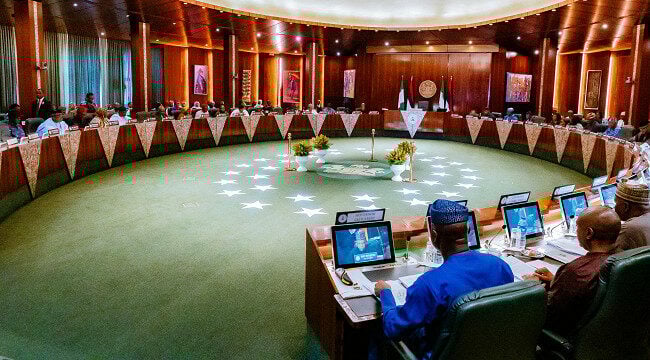
States of the federation are to contribute N200 million each toward the implementation of the ‘Naija Season’ initiative, following approval by the National Economic Council (NEC) as part of efforts to boost Nigeria’s cultural and tourism economy.
The decision was taken at the 157th meeting of the NEC held virtually and chaired by Vice President Kashim Shettima.
The council considered a presentation by the Federal Ministry of Art, Culture, Tourism and the Creative Economy on an addendum to its earlier approval for the Renewed Hope Cultural Project and Naija Season.
According to the presentation, the ‘Naija Season’ initiative is designed as Nigeria’s first unified national cultural and tourism calendar, aimed at aggregating and promoting festivals, cultural events, tourism attractions, and creative economy activities across the 36 states and the Federal Capital Territory (FCT)under a coordinated platform.
In a statement by the spokesman of the Vice President, Stanley Nkwocha, NEC was informed that the broader Renewed Hope Cultural Project focuses on the preservation and restoration of historic sites, palaces, and monuments; capacity building; the establishment of Renewed Hope Creative and Cultural Villages and the promotion of Nigeria’s cultural assets.
Council noted that the initiative is projected to generate up to one million jobs by 2030, increase diaspora inflows, and strengthen Nigeria’s global cultural influence.
As part of its resolution, NEC approved the request for sub-national governments to contribute N200 million each, or any approved amount deemed fit, toward local execution and tourism activation, to ensure shared responsibility and shared benefits. The Council also called for robust engagement with states to ensure effective implementation and realisation of the project’s objectives.
In a related development, Council was briefed on efforts to drive Nigeria’s transition to a digitally enabled, export-oriented manufacturing economy through the implementation of the National Industrial Policy (NIP) 2025.
NEC was informed that the policy document had undergone rigorous validation, including approval and adoption by the Federal Executive Council. The policy targets sectors with strong comparative advantages and high employment potential, including agro-allied industries, metals and solid minerals, oil and gas industrial activities, pharmaceuticals and medicals, as well as non-manufacturing sectors.
Council also received updates on the Nigeria Industrial Cluster Programme (N-MICP), which requires investment to develop 76 industrial clusters, with the potential to generate total revenue of $2.74 billion over 25 years.
Following the presentation, NEC noted the briefing by the Minister of State for Industry and commended efforts to revamp the national industrial ecosystem, particularly the development of sub-national industrial policies to align state-level strategies with the National Industrial Policy.
We’ve got the edge. Get real-time reports, breaking scoops, and exclusive angles delivered straight to your phone. Don’t settle for stale news. Join LEADERSHIP NEWS on WhatsApp for 24/7 updates →
Join Our WhatsApp Channel


