
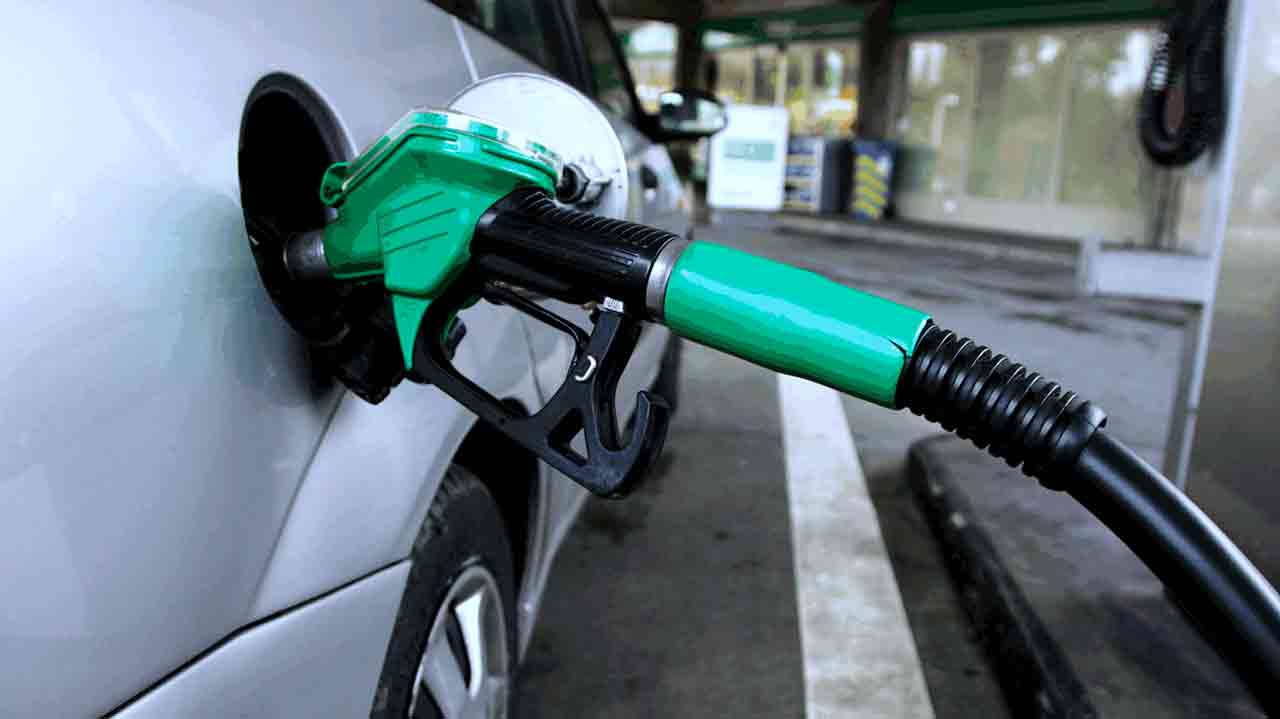
Residents of the Federal Capital Territory (FCT) are feeling the impact of another rise in petrol prices, as pump prices at several filling stations in Abuja now range between N1,364 and N1,440 per litre.
The latest surge in petrol pump prices in Nigeria follows the increase in global crude oil prices driven by escalating tensions in the Middle East.
International benchmarks such as Brent crude have climbed sharply in recent weeks, with prices briefly touching around $115–119 per barrel amid heightened conflict involving the United States, Israel and Iran, and disruptions to key shipping routes like the Strait of Hormuz.
The Dangote Petroleum Refinery has responded to these international trends by increasing its ex‑depot (gantry) price for petrol by N75, from N1,200 to N1,275 per litre.
The increase has pushed up transport fares across the city, leaving many commuters stranded and deepening concerns about the rising cost of living.
Checks showed some fuel stations had previously sold petrol at between N1,261 and N1,295 per litre before the latest adjustment.
The Nigerian National Petroleum Company Limited (NNPCL) is currently selling at N1,364 per litre, while stations such as MRS, BOVAS, AP (Ardova) and Mobil have raised their prices to between N1,364 and N1,370 per litre. Other outlets, including AA Rano, Emedab, Empire Energy and Ranoil, were selling at higher rates up to N1,400 per litre
The latest increase adds to a series of price changes recorded this year.
Recall that petrol sold for around N900 per litre in February before climbing steadily in the months that followed.
The price surge has affected both commercial and private vehicle owners, with some reportedly parking their vehicles because they can no longer afford fuel. As a result, fewer commercial vehicles are currently operating, while transport fares have risen on many routes in Abuja.
Some motorists and passengers who spoke to the News Agency of Nigeria on Sunday said the development had made daily movement more difficult and more expensive.
At several bus stops, civil servants and other commuters were seen waiting longer than usual for vehicles, as the limited number of commercial buses charged higher fares.
A commercial driver in Abuja, Adewale Bello, said the frequent increases in petrol prices had reduced his earnings and forced him to raise fares, even as he lost passengers.
He said many commuters now prefer walking short distances or travelling less often, leaving drivers with fewer passengers and longer wait times. According to him, rising spare part and maintenance costs have further increased operating expenses.
Bello said the constant changes in fuel prices had made it difficult for transport operators to plan their finances or meet family responsibilities.
He added that vehicle servicing costs had doubled in recent months, forcing some drivers to continue operating poorly maintained vehicles or leave the business altogether.
A civil servant, Bisi Emmanuel, said the increase in transport fares had put pressure on her monthly income.
She said she now spends nearly twice as much on transportation as before and that the situation was affecting her ability to meet other basic needs, including food, school fees, rent and medical bills.
Emmanuel said transport scarcity had also become a challenge, noting that even when she could afford the fare, finding a vehicle had become difficult because many drivers complained of low profit margins.
She said the situation had affected her attendance and productivity at work.
Another commercial bus driver, Sani Isa, called for targeted subsidies or palliative measures to ease the pressure on transport operators and commuters.
He said the increase in transport costs was also feeding into food prices and other goods nationwide.
Isa said many drivers now work longer hours to cover rising fuel costs, adding that the stress was affecting their health and safety.
According to him, several of his colleagues have left the business due to fuel costs, platform charges, and falling passenger numbers.
At Utako Market, a trader, Uloma Ndubisi, said higher transport costs were already affecting her business operations.
She said traders now spend more on moving goods, a development she believes will eventually be passed on to consumers through higher prices.
Ndubisi said the trend was making essential items less affordable for low-income households.
A logistics operator, Emeka Obi, said the situation underscored the need for investment in alternative energy and mass transit systems.
He said Nigeria’s heavy reliance on petrol leaves motorists exposed to frequent price shocks and argued that affordable public transport, as well as the promotion of Compressed Natural Gas [CNG] and electric vehicles, could help reduce the burden.
An Uber driver, Osas Pascal, said he had stopped driving because operating costs were now higher than his earnings.
He said that after spending [N50,000] on fuel, he was often unable to recover up to [N30,000] in earnings, making the business unsustainable.
An economic analyst, Shehu Liman, said rising fuel prices have a direct effect on inflation and the cost of living.
He said the government needed to adopt measures to reduce pressure on households, particularly in energy and transportation.
We’ve got the edge. Get real-time reports, breaking scoops, and exclusive angles delivered straight to your phone. Don’t settle for stale news. Join LEADERSHIP NEWS on WhatsApp for 24/7 updates →
Join Our WhatsApp Channel