Nigeria’s Micro, Small, and Medium Enterprises (MSMEs) endured a punishing first quarter in 2026, as elevated interest rates, persistent power shortages, and the ripple effects of rising tensions in the Middle East combined to squeeze margins and stall growth across the sector.
For millions of small businesses, widely regarded as the backbone of employment, the operating climate has shifted decisively from expansion to survival. While domestic macroeconomic tightening continues to limit access to finance, external shocks tied to the Middle East crisis have intensified cost pressures, particularly through higher fuel prices and supply chain disruptions.
Analysts note that instability in the Middle East, a critical hub for global oil supply, has heightened volatility in energy markets, pushing up the cost of diesel and petrol in import-dependent economies like Nigeria. For MSMEs already battling erratic electricity, the knock-on effect has been a sharp increase in operating expenses.
“Energy is a major input for small businesses, and when global tensions push prices up, MSMEs feel it almost immediately,” said economist Bamidele Ogunleye. “They are the least equipped to absorb those shocks.”
Data from the Central Bank of Nigeria (CBN) Business Expectations Survey for November 2025 highlights the depth of the strain. High interest rates ranked among the most significant constraints to business activity, with an index score of 67.2, reflecting the prohibitive cost of borrowing.
Financial challenges, including liquidity constraints and weak balance sheets, followed closely at 64.7, underscoring the difficulties businesses face in restocking, meeting operational costs, and sustaining sales.
With the monetary policy rate held at elevated levels, lending rates to small businesses have climbed above 30 per cent, effectively locking many operators out of formal credit markets.
“In reality, most MSMEs have stopped seeking bank loans,” said a Lagos-based SME finance consultant. “When you add high borrowing costs to rising fuel prices driven by global tensions, it becomes a losing game.”
Beyond financing constraints, structural bottlenecks remain severe. The CBN survey ranked insecurity as the top impediment to business activity, scoring 70.1, followed by multiple taxation at 69.7 and inadequate power supply at 69.3.
Experts warn that the convergence of domestic challenges and external shocks is steadily eroding the competitiveness of Nigerian MSMEs, while also discouraging formalisation among micro-enterprises.
For many operators, unreliable electricity remains the most immediate threat. Across Lagos, Ogun, and other commercial centres, businesses reported frequent outages, rising tariffs, and escalating costs of alternative power, costs now worsened by global energy price pressures.
At Ajuwon/Akute Market in Ogun State, frozen food trader Toyin Adeyeye described how erratic power supply and rising fuel costs have eaten into profits.
“We have no steady electricity to preserve our goods,” she said. “Chicken, fish, and other frozen items get spoiled within days. Running a generator is now more expensive, so many of us are struggling.”
Similar accounts were recorded across MSME clusters in Alagbole, Denro, and Akute, where artisans cited declining patronage, mounting debts, and shrinking inventories.
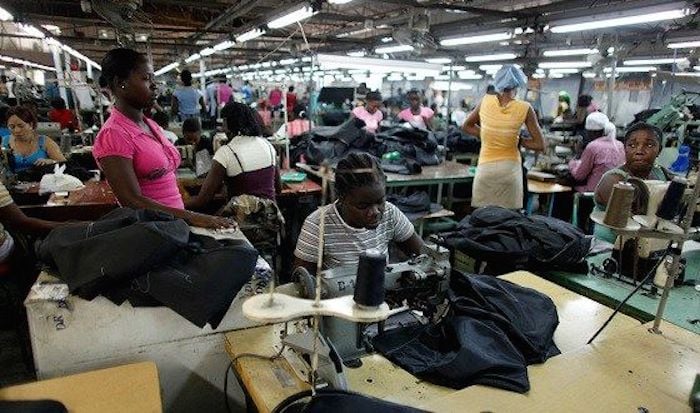
Industry estimates suggest that more than 40 million MSMEs nationwide are grappling with unreliable electricity and weak energy transmission, disrupting operations in sectors such as food processing, tailoring, welding, and light manufacturing.
Despite poor supply, many businesses continue to face high estimated electricity bills. In Magboro, Ogun State, residents reported blackouts lasting months. A laundry operator in Ogba, Lagos, said he spends about ₦5,000 daily on fuel while still receiving electricity bills for power not consumed.
“We are under pressure from all sides,” he said. “There’s no light, fuel is expensive, and yet the bills keep coming.”
A barber in Ojodu Berger said he has resorted to rechargeable clippers to reduce fuel costs. “We are paying for electricity we don’t use, and there’s no accountability,” he said.
The cumulative impact has been rising business closures, job losses, and increasing informality. The Association of Small Business Owners of Nigeria estimates that electricity-dependent enterprises have been the hardest hit, with about 10 per cent shutting down in the past year.
Speaking to the LEADERSHIP, National President, Association of Small Business Owners of Nigeria (ASBON), Dr Femi Egbesola, warned that the situation was becoming unsustainable, particularly as global pressures intensify and domestic constraints deepen.
“Once they buy diesel, there is little or no profit left,” he said. “With global tensions pushing energy costs higher, it is even more difficult. Without reliable electricity, many of these businesses cannot survive.”
He added that most MSMEs lack the financial capacity to invest in alternatives such as solar or inverters, unlike larger firms that can absorb or pass on rising costs.
As Middle East tensions continue to unsettle global energy markets and domestic structural issues persist, stakeholders say urgent policy interventions will be critical to prevent further deterioration in a sector central to Nigeria’s economic resilience and job creation.
Echoing similar views, the founder and CEO of the Centre for the Promotion of Private Enterprise (CPPE), Dr Muda Yusuf, advised businesses and investors to shift towards resilience and efficiency, urging companies to prioritise cost management, invest in alternative energy sources, and adopt strategies to mitigate foreign exchange risks.
CPPE recommends maintaining strong liquidity by avoiding excessive borrowing, given the high-interest-rate environment.
He added that investors should focus on sectors with strong demand, pricing power and export potential, while closely monitoring political and economic developments.
Overall, the CPPE concluded that while Nigeria has made significant progress in stabilising its macroeconomic environment, the outlook remains uncertain, with rising global and domestic risks threatening to undermine recent gains.
We’ve got the edge. Get real-time reports, breaking scoops, and exclusive angles delivered straight to your phone. Don’t settle for stale news. Join LEADERSHIP NEWS on WhatsApp for 24/7 updates →
Join Our WhatsApp Channel