
BY YUSUF BABALOLA, Lagos AND EJIKE EJIKE, Abuja
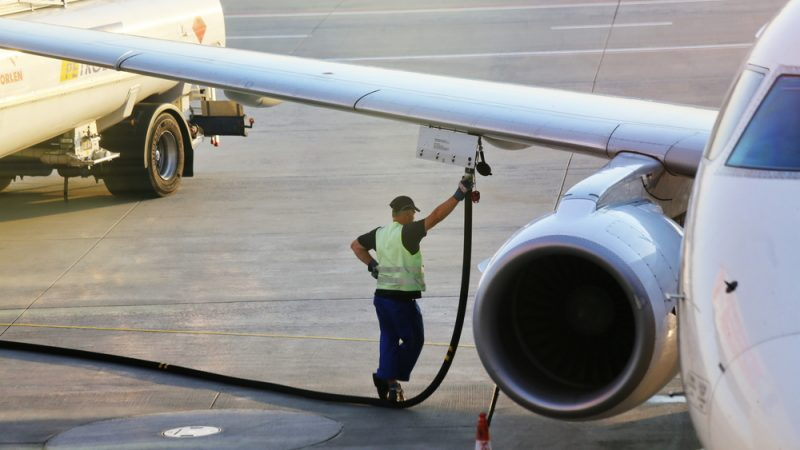
Fresh concerns have emerged over the growing impact of Jet A1 aviation fuel shortages in Nigeria, with the National Association of Aircraft Pilots and Engineers warning that prolonged supply disruptions now pose serious risks to flight safety, airline operations and workforce stability across the aviation sector.
The association, representing licensed pilots and aeronautical engineers, said the persistent scarcity of aviation fuel has triggered widespread operational disruptions, including flight delays, extended crew duty periods and route adjustments by airlines already grappling with rising operating costs.
The warning comes at a difficult time for Nigeria’s aviation industry, where operators continue to face pressure from foreign exchange volatility, high maintenance costs, infrastructure challenges and fluctuating fuel prices.
In a statement issued in Abuja on Sunday, the President of NAAPE, Bunmi Gindeh, described the situation as one requiring urgent national intervention, warning that growing fatigue among flight crew members could weaken critical safety margins within the industry.
“The persistent disruptions to flight schedules occasioned by the Jet A1 supply shortfall have resulted in significant extensions of crew duty time beyond planned parameters,” Gindeh said.
“Fatigue impairs cognitive function, slows reaction time, and most dangerously, erodes situational awareness.”
He called on the federal government, the Nigerian Civil Aviation Authority, the Nigerian Midstream and Downstream Petroleum Regulatory Authority, fuel suppliers and other stakeholders to urgently address the aviation fuel supply crisis.
According to the union, the disruptions are not only affecting flight schedules but are also creating hidden pressure on crew scheduling, aircraft turnaround times and maintenance planning.
NAAPE further warned that the economic effects of the crisis are beginning to impact airline sustainability and staff welfare, as grounded or delayed aircraft continue to generate losses for operators facing high fixed operational costs.
“Grounded or delayed aircraft generate no revenue, yet fixed operational costs persist,” Gindeh stated, adding that the strain often translates into delayed salaries, reduced welfare conditions and increased workplace stress for aviation workers.
Nigeria’s airlines have repeatedly identified aviation fuel as one of their highest operating expenses, with Jet A1 accounting for a significant portion of total flight costs.
Although local refining capacity is gradually expanding, industry stakeholders say concerns remain over distribution consistency and pricing stability.
The association also warned that continued fuel shortages could force more domestic carriers to reduce routes or suspend operations entirely, pointing to recent operational adjustments by airlines as signs of mounting pressure within the sector.
“Should the situation remain unaddressed, we anticipate further route suspensions, potential cessation of operations by some carriers, and significant job losses across the aviation sector,” Gindeh warned.
Aviation experts say prolonged schedule instability could also weaken public confidence in domestic air travel and disrupt sectors that rely heavily on air connectivity, including tourism, logistics and trade.
Industry stakeholders noted that beyond immediate operational challenges, the crisis highlights broader concerns about the long-term sustainability and resilience of Nigeria’s aviation sector.
We’ve got the edge. Get real-time reports, breaking scoops, and exclusive angles delivered straight to your phone. Don’t settle for stale news. Join LEADERSHIP NEWS on WhatsApp for 24/7 updates →
Join Our WhatsApp Channel