
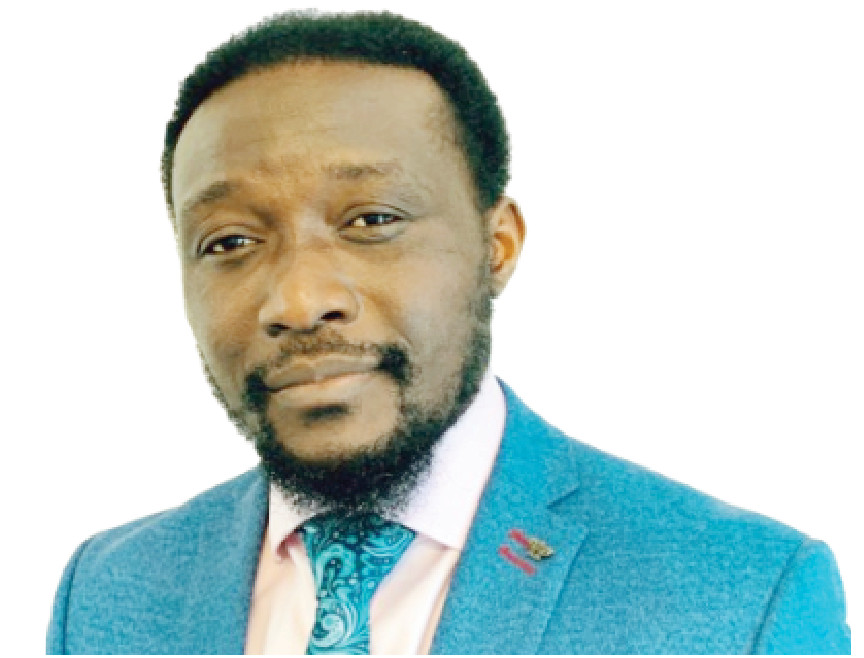
Nigerian-born UK council candidate, Dr Bola Adediran, has warned that growing anger, political alienation, and distrust among British voters are reshaping the country’s democratic landscape following the recent local elections.
Reflecting on last Thursday’s polls, Adediran described the outcome as one of the most significant political shifts in recent British history, following major gains by Reform UK, led by Nigel Farage.
According to him, the elections revealed a widening disconnect between ordinary citizens and mainstream political institutions.
Speaking about his experience campaigning in St Paul’s Cray, an outer London ward known for right-wing populist support, Adediran said the frustrations he encountered among residents went beyond party politics.
“During months of campaigning, I met people who felt abandoned by the political system,” he said. “Many residents raised concerns about crime, anti-social behaviour, pressure on housing, and worsening public services, particularly delays in accessing healthcare.”
He noted that many voters no longer believe traditional politicians understand their struggles, with some describing Reform UK as their “last hope.”
“Several people admitted they knew little about local government but still viewed the election as a chance to send a message to Westminster,” he explained.
Adediran also observed that support for Reform UK cut across social and professional backgrounds, including some Nigerian voters.
“Supporters did not fit neatly into stereotypes,” he said. “I met professionals, entrepreneurs, and people from different ethnic communities who backed Reform.”
The candidate further revealed that he experienced racist hostility during the campaign because of his Nigerian heritage.
He recounted incidents of racist graffiti at bus stops and online abuse, including comments calling for his deportation.
In one instance, he said a resident argued he should not be allowed to contest because he was “not indigenous or English.”
Despite the hostility, Adediran insisted that democratic engagement remains essential, even in difficult political climates.
“Democracy works best when people are willing to engage in challenging conversations instead of withdrawing from them,” he said.
He, however, acknowledged that many residents treated him respectfully and responded positively to his campaign, which focused on crime, housing pressures, anti-social behaviour, protection of green spaces, and community decline.
According to him, that support was reflected in the votes he received, which he said exceeded those secured by elected candidates in the same ward during the 2022 election cycle.
Drawing on the ideas of ancient Athenian statesman Pericles, Adediran argued that democratic systems remain stable only when citizens feel connected to political institutions and believe their concerns are being addressed.
He warned that democracies weaken gradually when voters lose confidence in institutions.
“Britain has not reached that point yet,” he said. “But what I witnessed on the campaign trail shows that anger, alienation, and distrust are becoming powerful political forces that cannot be ignored.”
He concluded by questioning whether modern politics is still capable of meeting the expectations of ordinary citizens.
“The Reform wave may have changed Britain’s political map,” he said, “but the bigger question is whether politics can still deliver hope and opportunity for everyday people.”
We’ve got the edge. Get real-time reports, breaking scoops, and exclusive angles delivered straight to your phone. Don’t settle for stale news. Join LEADERSHIP NEWS on WhatsApp for 24/7 updates →
Join Our WhatsApp Channel