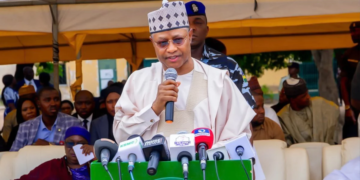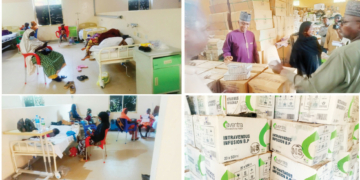
The nationwide strike by the Senior Staff Association of Nigerian Universities (SSANU) and the Non-Academic Staff Union of Educational and Associated Institutions (NASU), which began on 1 May 2026, has brought public universities to a virtual standstill. Administrative offices, university clinics, hostels, bursaries, and critical support services have shut down across the country. What makes this strike particularly significant is the rare show of solidarity: even the President of the Academic Staff Union of Universities (ASUU), a union historically known for being at loggerheads with other campus unions, has publicly lent his voice in support. This unusual unity signals deep frustration within the entire university system and reflects years of unresolved grievances.
At the heart of the crisis is the failure to conclude the renegotiation of the 2009 FGN/University Unions Agreement. The unions are demanding the implementation of agreed allowances, payment of withheld salaries from previous disputes, and a meaningful salary review. They have rejected what they describe as an inadequate 30 per cent offer from the government. For non-teaching staff, who form the backbone of university administration and essential services, the situation has become unsustainable. Many have endured delayed promotions, unpaid entitlements, and increasing workloads without corresponding compensation. The strike, which has been overwhelmingly observed, demonstrates that these workers are no longer willing to subsidise the system with their patience.
This development exposes a troubling pattern of governmental neglect of Nigeria’s tertiary education sector. Successive administrations have treated university funding and staff welfare as secondary issues, often resorting to short-term palliatives rather than sustainable solutions. While academic staff strikes usually attract more public attention, the current action by SSANU and NASU has laid bare how dependent the entire university ecosystem is on non-teaching personnel. Without registrars, bursars, technologists, librarians, and administrative officers, teaching and learning cannot function effectively. The strike therefore paralyses not only administration but the entire academic calendar, leaving students stranded and parents burdened with additional costs.
Philosophically, the crisis represents a serious breach of the social contract. Education remains one of the most powerful tools for social mobility, national development, and the cultivation of competent citizens. When the institutions entrusted with shaping the nation’s future are repeatedly crippled by industrial disputes, the state fails in its constitutional responsibility to promote the welfare and progress of its people. The 1999 Constitution places the security and welfare of citizens at the core of governance. Treating university workers with disdain while expecting them to maintain world-class standards is both morally inconsistent and strategically shortsighted. Short-term expediency and a culture of delayed implementation have once again triumphed over long-term investment in human capital and institutional stability.
The consequences are far-reaching. Students, many of whom have already suffered prolonged disruptions from previous strikes, risk further delays in graduation and entry into the labour market. In Northern Nigeria, where the crisis of out-of-school children is already alarming and insecurity keeps many classrooms empty, this strike further jeopardises the future of an entire generation. Parents struggling with the cost-of-living crisis must now contend with extended periods of supporting children at home. Nationally, the strike compounds existing challenges of governance fatigue, survival economics, and eroding public trust. A dysfunctional university system weakens research, innovation, and the production of skilled manpower needed to drive development in an increasingly competitive world.
Yet this moment presents a genuine opportunity for renewal. The Federal Government must treat the matter with the urgency and seriousness it deserves. Concluding the renegotiation of the 2009 agreement with sincerity, implementing agreed welfare packages promptly, and establishing a predictable and sustainable funding framework for universities are non-negotiable. Both government and unions must prioritise genuine dialogue over confrontation. A comprehensive review of university governance and financing models, including greater institutional autonomy and innovative funding mechanisms, is long overdue. Above all, leadership must demonstrate empathy and transparency, recognising that a motivated and properly rewarded workforce is essential to restoring the glory of Nigeria’s tertiary education.
Nigerians have shown remarkable resilience in the face of multiple national challenges. University workers, students, and their parents deserve better than another cycle of disruption and half-hearted resolutions. The ongoing SSANU strike is a loud alarm that Nigeria cannot continue to neglect the foundations of its future. Government, unions, and all stakeholders must answer this alarm with moral courage, honesty, and a shared commitment to sustainable solutions. Only then can our universities become true centres of excellence rather than theatres of endless industrial conflict, and only then can Nigeria begin to harness the full potential of its greatest resource — its people.
We’ve got the edge. Get real-time reports, breaking scoops, and exclusive angles delivered straight to your phone. Don’t settle for stale news. Join LEADERSHIP NEWS on WhatsApp for 24/7 updates →
Join Our WhatsApp Channel