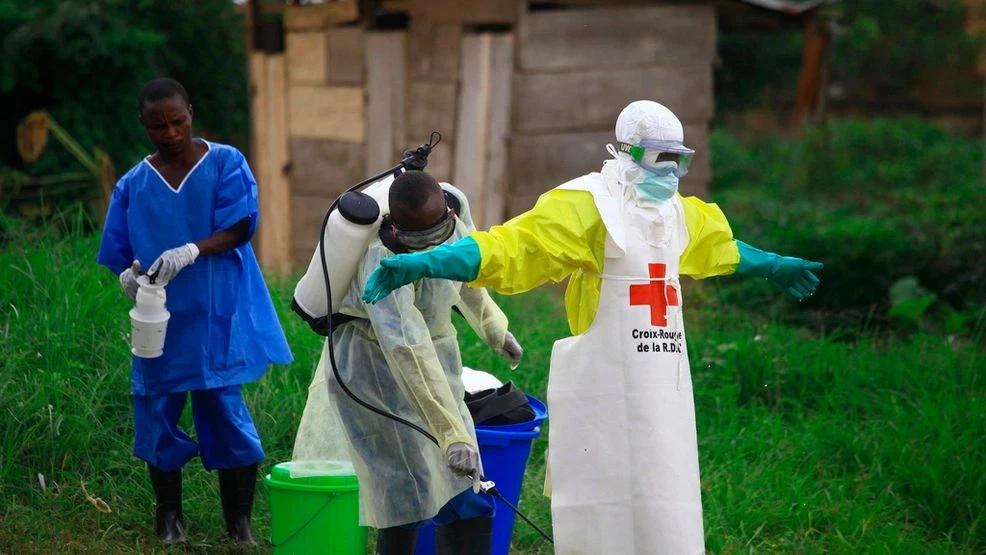
The public health risk from the current Ebola outbreak in the Democratic Republic of Congo has been raised from “high” to “very high” by the World Health Organization (WHO).
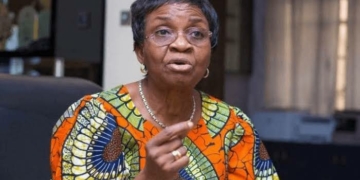
In an update yesterday, WHO head, Dr Tedros Adhanom Ghebreyesus, also said the risk in the wider region in Africa was “high”, but it remained “low” globally.
The rare species of Ebola, known as Bundibugyo, has no proven vaccine and kills about a third of those infected. So far, the outbreak centred on DR Congo has resulted in 177 suspected deaths and 750 suspected cases.
It came as scientists at Oxford University in the UK are developing a new vaccine that could be ready for clinical trials within two to three months.
Based on the same technology they developed for the AstraZeneca Covid vaccine, there are no guarantees it will prove effective and it will take animal research and trials on people to know if it will be.
Animal testing is already under way in Oxford, the BBC said yesterday.
The Serum Institute of India is lined up to mass produce the Ebola vaccine once Oxford can supply medical-grade material.
A separate experimental Bundibugyo vaccine is also in development, but it is expected to take six to nine months for any dose to be ready for testing.
We’ve got the edge. Get real-time reports, breaking scoops, and exclusive angles delivered straight to your phone. Don’t settle for stale news. Join LEADERSHIP NEWS on WhatsApp for 24/7 updates →
Join Our WhatsApp Channel