
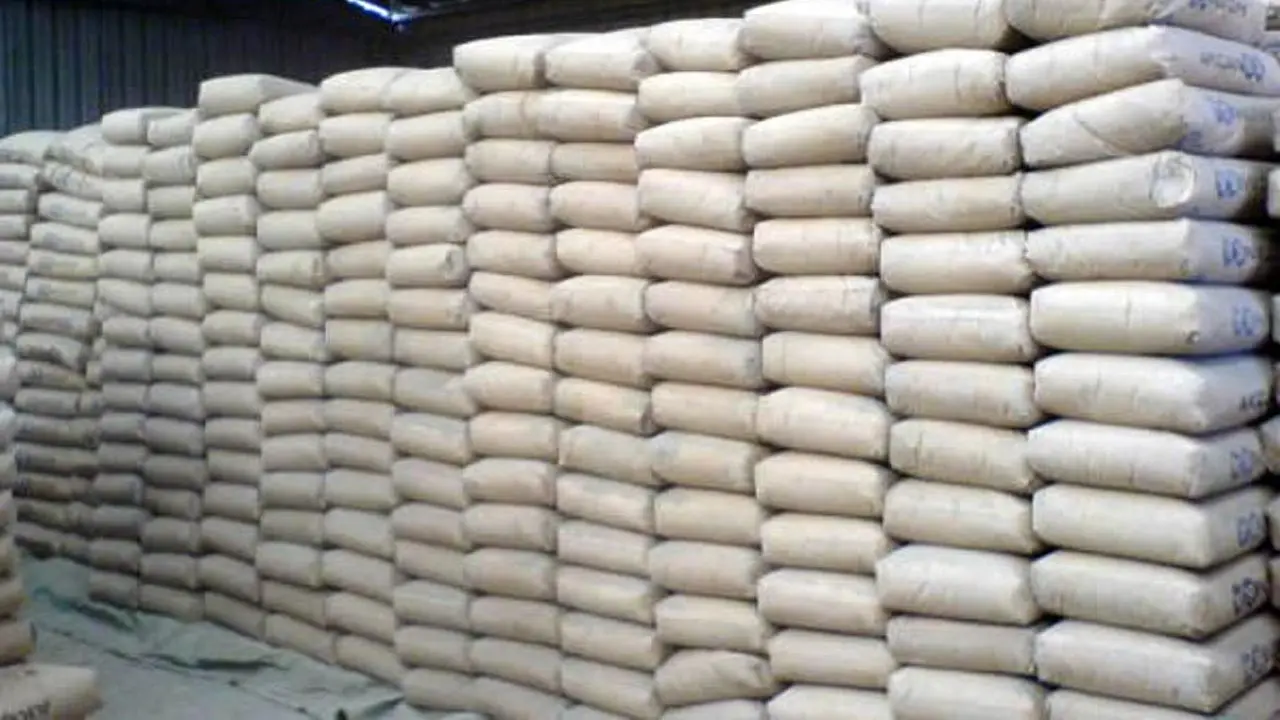
Despite macroeconomic shifts and price adjustments, the cement retail business remains one of Nigeria’s most resilient, fast-moving consumer sectors. The constant growth of urban centers and real estate development creates endless demand. In fact, successful cement retailers maximise profitability by moving high volumes, optimising logistical chains, and managing operational costs efficiently.
Cement retailing is emerging as one of the lucrative small and medium-scale businesses attracting investors across the country.
Industry operators say the increasing demand for residential buildings, shops, schools and infrastructure projects has created steady opportunities for entrepreneurs willing to venture into cement distribution and retail.
Findings showed that with proper location, reliable supply channels and effective customer management, a cement retailer can generate substantial monthly income from the business.
A building materials dealer in Lagos, Mr. Adewale Johnson, said cement remains one of the fastest-moving construction products because it is essential for virtually every building project.
“People may postpone some projects, but construction never completely stops. Cement sells every day because builders, block makers and contractors depend on it constantly,” he said.
According to market operators, startup capital for a small-scale cement retail business ranges between N500,000 and N1 million depending on location, shop size and quantity of stock.
The estimated startup cost covers shop rent, initial stock purchase, transportation, labour and storage arrangements.
A breakdown of the startup requirement showed that renting a small shop or open space in a developing area may cost between N150,000 and N500,000 annually, while purchasing an initial stock of 100 to 300 bags of cement may require between N900,000 and N2.7 million depending on prevailing market prices.
Additional expenses include loading and offloading costs, wooden pallets for storage, business registration and transportation.
According to another retailer, Akamo Adebayo, he noted that many successful retailers begin on a small scale before gradually expanding into wholesale supply and other building materials businesses.
Popular cement brands sold across Nigeria include Dangote Cement, BUA Cement and Lafarge products, with retailers usually sourcing supplies from distributors, depots and accredited dealers.
Akamo, however, advised intending investors to choose locations with active construction activities such as developing estates, roadside commercial areas and rapidly growing communities.
He also stressed the importance of proper storage facilities to prevent moisture damage, which can lead to heavy financial losses.
“Cement is highly sensitive to water and humidity. Once bags are damaged, the retailer loses money immediately. Storage is very important,”Akamo stated.
Retailers make profits from the difference between wholesale and retail prices of each bag of cement.
Checks revealed that a retailer can make between N300 and N700 profit per bag depending on market conditions and supply availability.
LEADERSHIP gathered that an average profit margin of N500 per bag, a retailer selling 100 bags daily could generate about N50,000 daily profit before operational expenses.
Operators also generate additional income through delivery charges and bulk supplies to construction sites.
Despite the opportunities in the sector, stakeholders identified challenges such as unstable cement prices, high transportation costs, competition and occasional supply shortages.
Some dealers also warned against excessive credit sales, noting that unpaid debts remain one of the major reasons small businesses collapse.
They advised new entrants to build strong relationships with suppliers and contractors while maintaining transparent pricing and good customer service.
Analysts believe the business holds strong long-term potential as Nigeria’s housing deficit and infrastructure needs continue to drive construction activities nationwide.
Many established building materials merchants, according to industry observers, started with only a few bags of cement before expanding into large-scale distribution, block production and construction supply chains.
We’ve got the edge. Get real-time reports, breaking scoops, and exclusive angles delivered straight to your phone. Don’t settle for stale news. Join LEADERSHIP NEWS on WhatsApp for 24/7 updates →
Join Our WhatsApp Channel