MTN Nigeria has attributed the sharp rise in mobile data consumption across the country to increasing adoption of 5G technology and the growing use of high-resolution smartphones and digital devices capable of consuming significantly more bandwidth.
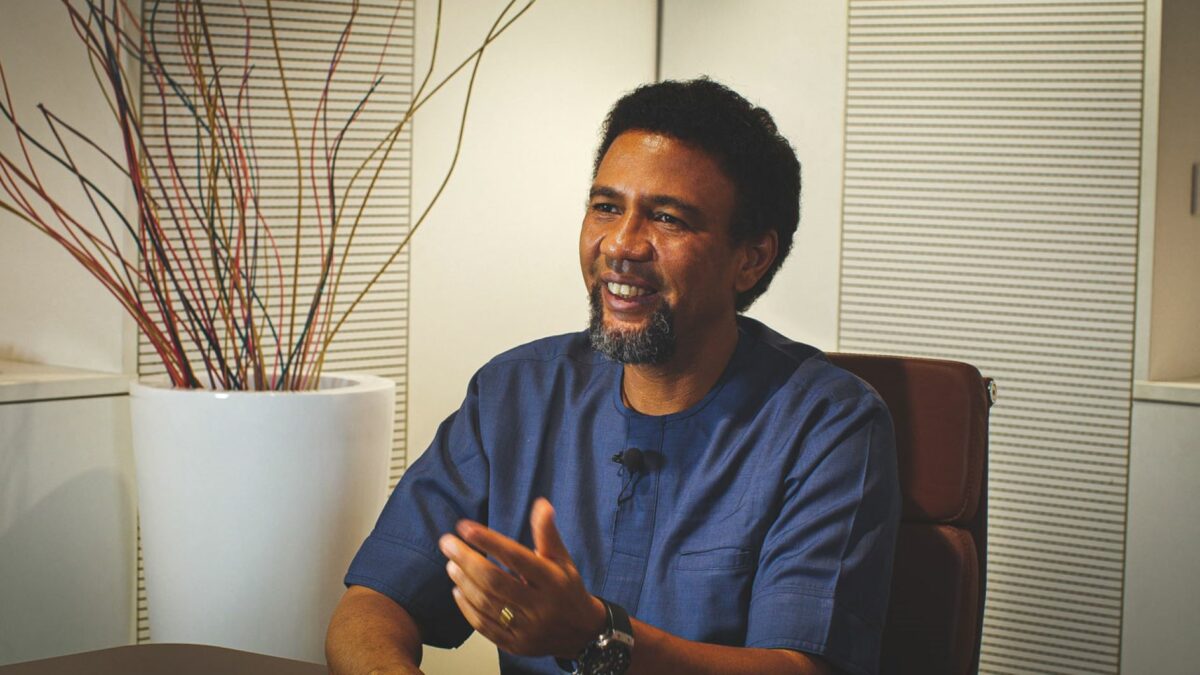
Chief executive officer of MTN Nigeria, Karl Toriola, said advances in network technology and improvements in device quality are fundamentally changing how subscribers consume data, leading to higher usage levels across the telecommunications sector.
Speaking during a media engagement in Lagos, Toriola explained that faster network speeds provided by 5G are encouraging consumers to stream content in higher resolutions and spend more time on data-intensive applications.
According to him, “5G networks enable applications to stream at higher resolutions, resulting in faster data consumption. The quality of devices people are using today is also much higher than before, which naturally drives increased data usage.”
The MTN chief executive said the trend is not unique to Nigeria but reflects a global shift toward data-driven digital lifestyles powered by video streaming, social media, cloud services and artificial intelligence-enabled applications.
Toriola also defended the cost of mobile data in Nigeria, maintaining that the country remains one of the most affordable markets globally for telecommunications services despite recent tariff adjustments.
He argued that the growing demand for data services requires continuous investment in network infrastructure to ensure service quality and capacity expansion.
“The challenge is that as usage grows exponentially, operators must continue investing heavily in network infrastructure to support the increasing demand while maintaining service quality,” he said.
The remarks come amid ongoing public concerns over data costs and the recent adjustments in telecom tariffs approved by the Nigerian Communications Commission (NCC). Telecom operators have argued that inflation, foreign exchange volatility and rising energy costs have significantly increased the cost of operating networks across the country.
Toriola recently sparked discussion by claiming that genuine unlimited data plans are mostly impractical for mobile networks, as providers lack the capacity to accommodate unrestricted usage from every subscriber without compromising service quality. He noted that these plans typically either include fair usage policies or carry a much higher price.
While experts noted that the increasing adoption of 5G services is accelerating data consumption patterns in Nigeria. The technology supports faster download speeds, ultra-high-definition video streaming, cloud gaming, artificial intelligence applications and other bandwidth-intensive services that consume far more data than traditional mobile applications.
Consequently, the trend is anticipated to persist as more Nigerians adopt smartphones and 5G-enabled devices. MTN has long recognised smartphone penetration as a key driver of digital inclusion and broader access to broadband services nationwide. Toriola had earlier pointed to the high cost of smartphones as a major obstacle to digital inclusion in Nigeria.
However, for consumers, the debate extends beyond data usage patterns to affordability concerns. While operators insist that rising consumption reflects improved digital access and better network capabilities, subscribers continue to demand lower costs, improved network quality and more generous data bundles in a challenging economic environment. Even as the growing tension between expanding digital demand and substantial investments persists in a sector that remains central to the country’s digital economy ambitions.
We’ve got the edge. Get real-time reports, breaking scoops, and exclusive angles delivered straight to your phone. Don’t settle for stale news. Join LEADERSHIP NEWS on WhatsApp for 24/7 updates →
Join Our WhatsApp Channel