The National Human Rights Commission (NHRC), the Senate, and human rights lawyer Femi Falana (SAN) have called for stronger electoral reforms, improved institutional accountability, and tougher action against insecurity as Nigeria prepares for the 2027 general elections.
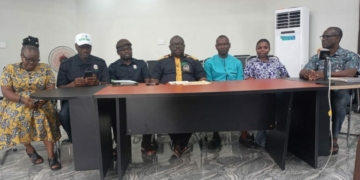
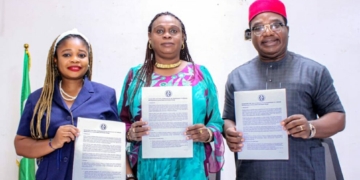
The call was made on Tuesday in Abuja at the Annual June 12 Memorial Lecture organised by the NHRC in collaboration with the Professor Humphrey Nwosu Centre for Democracy and Human Rights, where the centre was also formally unveiled.
Speaking at the event, Falana urged Nigerians to resist ethnic and regional divisions in addressing injustice, insisting that human rights violations anywhere in the country affect all citizens.
“Don’t say this one is from that side of the country or from this side of the country. Injustice is injustice to every Nigerian,” he said.
Falana commended security agencies, particularly the Nigeria Police Force, for recent rescue operations, including the reported recovery of about 360 abducted persons in Maiduguri and the rescue of a minister’s sister and her children without payment of ransom.
However, he strongly criticised the growing practice of ransom payments to kidnappers, describing it as a key driver of the country’s kidnapping crisis.
“This criminality of giving money, paying ransom is not acceptable. That is why the business is thriving,” he said.
He also faulted what he described as government-backed negotiations and rehabilitation of terrorists, arguing that such practices undermine justice and contradict existing laws.
Citing the Terrorism Prevention and Prohibition Act, Falana said negotiating with or supporting terrorists attracts severe penalties, including imprisonment of up to 20 years.
“The law says they shall be tried. The penalties are clearly set out in the law,” he stated.
Earlier, NHRC Executive Secretary Tony Ojukwu (SAN) described June 12 as a defining moment in Nigeria’s democratic journey, noting that credible elections remain essential to national stability and development.
He said the theme of the lecture, “Electoral Integrity and the Future of Credible Elections in Nigeria,” was timely as the country moves closer to the 2027 elections.
Ojukwu added that the newly inaugurated Humphrey Nwosu Centre would serve as a hub for research, civic engagement, and policy advocacy aimed at strengthening Nigeria’s democratic process.
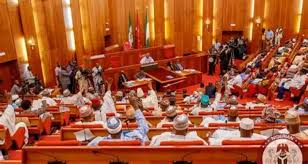
Senate President Godswill Akpabio, in his remarks, said the legacy of the June 12, 1993 presidential election remains central to Nigeria’s democratic history, describing it as a symbol of electoral justice and resistance.
He reaffirmed the National Assembly’s commitment to strengthening the electoral system through legislative reforms and oversight, stressing that credible elections depend on the collective responsibility of political parties, security agencies, the media, civil society, and citizens.
According to him, ensuring that every eligible Nigerian can vote with confidence is essential to restoring trust in the democratic process.
We’ve got the edge. Get real-time reports, breaking scoops, and exclusive angles delivered straight to your phone. Don’t settle for stale news. Join LEADERSHIP NEWS on WhatsApp for 24/7 updates →
Join Our WhatsApp Channel