Since the exit of the military from political power in 1999, Nigeria has deemed fit to set aside every June 12 to reminisce on its democratic journey and commemorate the late Chief Moshood Abiola, the presumed winner of the June 12, 1993 election.
What followed after that election was annulled by General Ibrahim Babangida, then military president, was one of the darkest periods in Nigeria’s history. Abiola declared himself president and was arrested and incarcerated by the military government of General Sani Abacha, who had seized power after the collapse of the interim national government installed by the departing Babangida administration.
The struggle that followed was marked by repression, as the military resisted calls by pro-democracy groups, labour unions, student associations, civil society organisations and the international community to validate Abiola’s mandate and return the military to the barracks.
Many patriots paid a heavy price in that struggle through imprisonment, exile, loss of property, bodily harm and even death. After five years of resistance, the two central figures in the crisis, General Abacha and Chief Abiola, died within weeks of each other in 1998.
General Abdulsalami Abubakar, who succeeded Abacha, quickly initiated a transition programme that culminated in the inauguration of President Olusegun Obasanjo on May 29, 1999.
In his inaugural address, Obasanjo declared May 29 as Democracy Day in honour of the restoration of civilian rule.
However, it wasn’t until 2018 that former President Muhammadu Buhari rightly corrected that historical anomaly by moving the celebration to June 12, thereby recognising the significance of the election and the sacrifices made by Nigerians in defence of democracy.
June 12, therefore, occupies a special place in Nigeria’s political history. It symbolises not only the struggle for democratic governance but also the triumph of the popular will over authoritarian rule. The annulment of the election triggered a nationwide campaign for democracy and eventually contributed to the end of military rule.
However, this year’s Democracy Day celebration comes at a time when many Nigerians are expressing concerns about the health of the nation’s democracy.
Twenty-seven years after the return to civilian rule, democratic institutions and traditions appear to be weakening. Political parties have largely abandoned ideology and have become mere vehicles for acquiring state power. This has encouraged the serial defections of politicians from one party to another without regard for principles or policy differences.
The political space has also been undermined by electoral malpractice and violence, vote-buying, abuse of incumbency, compromise of electoral and security officials, judicial inconsistencies and growing public distrust in political actors.
As a result, voter apathy continues to plague every election cycle.
The failure of authorities to punish electoral offenders and the persistence of a win-at-all-costs mentality have deepened fears that many of the democratic gains Nigerians hoped for in 1999 are gradually being eroded.
Recent developments in the political arena have further heightened concerns about the future of democratic governance. The growing concentration of political power, the weakening of checks and balances, the increasing influence of money in politics, voter inducement and the widespread perception that political office is a pathway to personal enrichment rather than public service have all raised legitimate questions about the direction of the country.
At present, many of the institutions expected to safeguard democracy appear to be struggling. The legislature and judiciary, which are constitutionally empowered to check executive excesses, are increasingly perceived as lacking the independence required to effectively perform their roles.
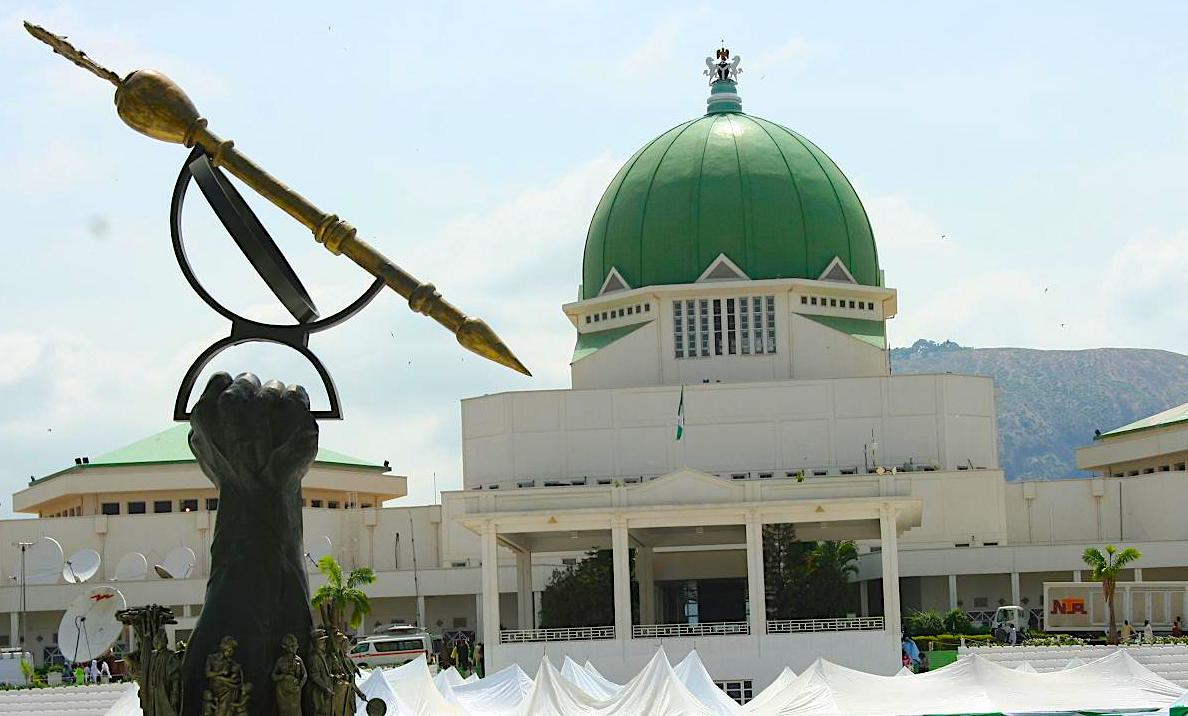
The National Assembly, especially this 10th session, has faced criticism for failing to exercise robust oversight over the executive arm. Rather than serving as an effective watchdog, it is often accused of being too accommodating of executive actions, thereby weakening the system of checks and balances that is essential to any democracy.
The judiciary, traditionally regarded as the last hope of the common man, has also suffered from declining public confidence. Allegations of corruption, conflicting judgements and controversial interventions in political disputes have fuelled doubts about its impartiality and effectiveness.
The police and other law enforcement agencies have similarly come short. Rather than being seen as neutral enforcers of the law, they are frequently accused of serving the interests of those in power while failing to adequately protect ordinary citizens.
The nation’s electoral management body has not inspired much confidence either. Its conduct of recent elections has left many Nigerians questioning whether their votes truly count and whether elections remain a credible mechanism for choosing leaders.
The politicians themselves have done little either to assuage the malcontent in the political space,address the genuine apprehension of the people or strengthen public faith in democracy. Across party lines, primary elections are often characterised by manipulation, exclusion, intimidation and monetary inducement. Internal democracy is routinely sacrificed in favour of the preferences of powerful political actors. Consequently, candidates often emerge not because they represent the will of party members or the electorate but because they enjoy the backing of influential godfathers.
When such candidates eventually assume office, their loyalty is frequently directed toward those who sponsored their ambitions rather than the citizens they were elected to serve. The result is poor governance, weak accountability and a widening gap between leaders and the people.
It is, therefore, not a surprise that Nigeria continues to struggle in many areas of human development despite its enormous potential and resources. Poverty, unemployment and insecurity remain widespread. Millions of young Nigerians are leaving the country in search of better opportunities abroad, while others are driven into despair and criminality by economic hardship and lack of prospects.
Yet, despite these challenges, there are reasons for hope. Nigeria’s democracy has demonstrated remarkable resilience since 1999. The country has witnessed multiple transitions of power and, significantly, achieved the historic transfer of authority from a ruling party to an opposition party in 2015. These milestones show that democratic progress, though imperfect, is still possible.
As a newspaper, we challenge Nigerians to demand better from their political leaders. Democracy cannot thrive where citizens are indifferent. The responsibility for safeguarding democratic values rests not only on elected officials but also on the people themselves.
As we mark Democracy Day 2026, we must remember the sacrifices made by countless Nigerians in the struggle for freedom and democratic governance. We must also commit ourselves to building a political culture rooted in integrity, accountability, inclusiveness and respect for democratic norms that accord with international best practices.
Nigeria’s democracy may be facing serious challenges, some say imperilled, but it is not, in our view, irredeemable. The enduring lesson of June 12 is that the will of the people can prevail over adversity when citizens remain vigilant, united and steadfast in the defence of their democratic rights.
We’ve got the edge. Get real-time reports, breaking scoops, and exclusive angles delivered straight to your phone. Don’t settle for stale news. Join LEADERSHIP NEWS on WhatsApp for 24/7 updates →
Join Our WhatsApp Channel