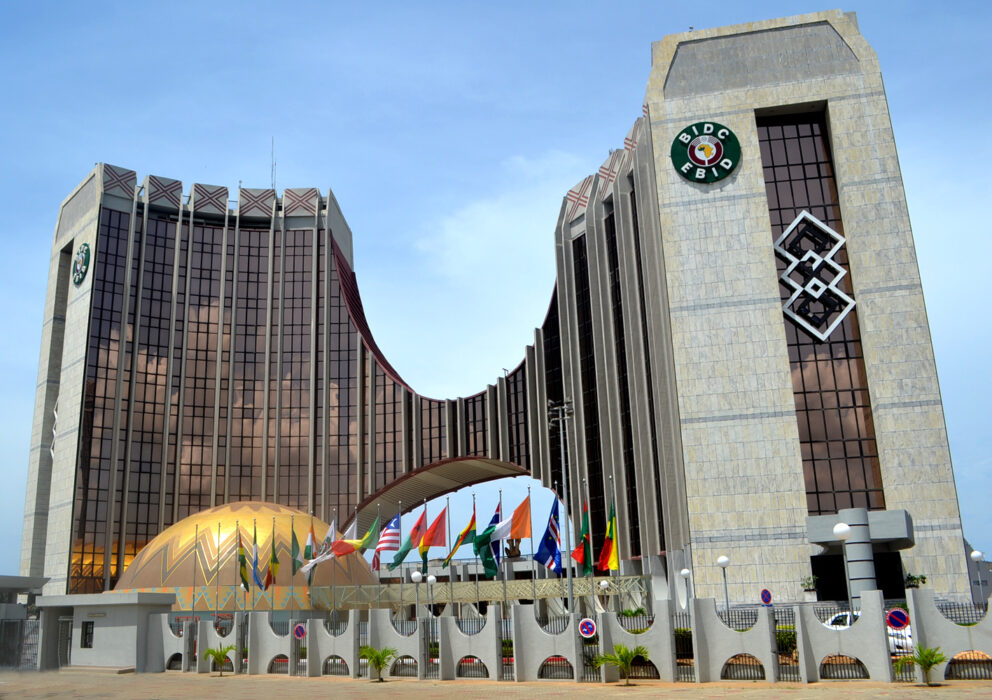
The ECOWAS Bank for Investment and Development (EBID) has disclosed that the African Development Bank Group (AfDB) has become its first international development finance institution shareholder, after the AfDB’s board approved a USD 30 million equity investment.
EBID, in a release on Saturday, said the AfDB’s board approved the commitment during a meeting on 17 June 2026 in Abidjan, and that the equity injection forms part of a broader engagement that also includes a USD 70 million long-term line of credit to support high-impact projects across West Africa.
Commenting on the development, EBID president and chairman of the board of directors, Dr George Agyekum Donkor, said the AfDB’s entry into EBID’s shareholder base was “a historic and transformative milestone” for the bank.
He said the move reflected “strong confidence in our vision and development model” and would be a “decisive step” in implementing EBID’s strategic plan.
Donkor said the partnership would strengthen EBID’s capacity to mobilise large-scale resources and expand its impact in the region, particularly in energy, infrastructure and private sector development.
He added that the arrangement would accelerate efforts to address the financing needs of West African economies.
EBID said the AfDB’s investment marks a major change in its ownership structure, which has until now been composed exclusively of member states.
EBID) is the Development Finance Institution of the 15 West African countries. Based in Lomé, Togolese Republic, the bank is committed to financing
developmental projects and programmes covering diverse initiatives from infrastructure and basic amenities, rural development and environment, industry, and social services sectors, through its
private and public sector windows.
The bank said opening its capital to strategic partners was intended to strengthen its financial capacity, improve governance standards and increase development impact.
According to EBID, the USD 70 million credit line is expected to finance projects with significant socio-economic benefits, especially in renewable energy. The bank estimated that the facility could help mobilise up to USD 230 million in total project financing, improve electricity access for more than 250,000 households, create jobs and reduce carbon emissions by about 355,500 tonnes annually across the region.
The bank said the partnership would boost EBID’s credibility with international investors and broaden its access to competitive funding sources. EBID added that the deal is expected to improve the bank’s credit profile, support financing of transformative projects in priority sectors, reinforce resource mobilisation, and further enhance governance and operational effectiveness.
In a statement, EBID said the move aligns with its GRO Strategy (2026–2030), which aims to position the institution as a leading development finance institution able to mobilise greater long-term resources and expand its contribution to regional development.
The AfDB did not immediately provide a separate public comment when EBID announced the deal. EBID noted that the AfDB becomes the first international development finance institution to join its shareholder base.
EBID said the agreement followed approval by its board and relevant processes, and that it would now leverage the new resources to prioritise clean energy projects and other initiatives that drive sustainable transformation in West Africa.
Donkor was quoted as saying the partnership “marks a new phase in EBID’s evolution” and would reinforce the bank’s ambition to serve as a leading catalyst for development finance in the region.
The bank added that, building on the momentum of this partnership, it intends to further expand its impact and contribute more decisively to the sustainable transformation of West African economies.
We’ve got the edge. Get real-time reports, breaking scoops, and exclusive angles delivered straight to your phone. Don’t settle for stale news. Join LEADERSHIP NEWS on WhatsApp for 24/7 updates →
Join Our WhatsApp Channel