Nigerian artist Dotun Popoola has called on the country’s youth to move beyond street protests and engage directly in shaping government policy, using his eighth solo exhibition, “Reclaimed Beauty,” as a platform for that message.
With unemployment soaring and the economy faltering, Popoola argued that young Nigerians cannot afford to remain passive observers.
Speaking at the Abuja launch, which attracted over 200 guests including business figures and cultural stakeholders, Popoola challenged young people to hold their leaders accountable.
“The government is here to serve us, but are we prepared to be served?” he said. “Young people must invest effort, ask questions, and claim their rights.”
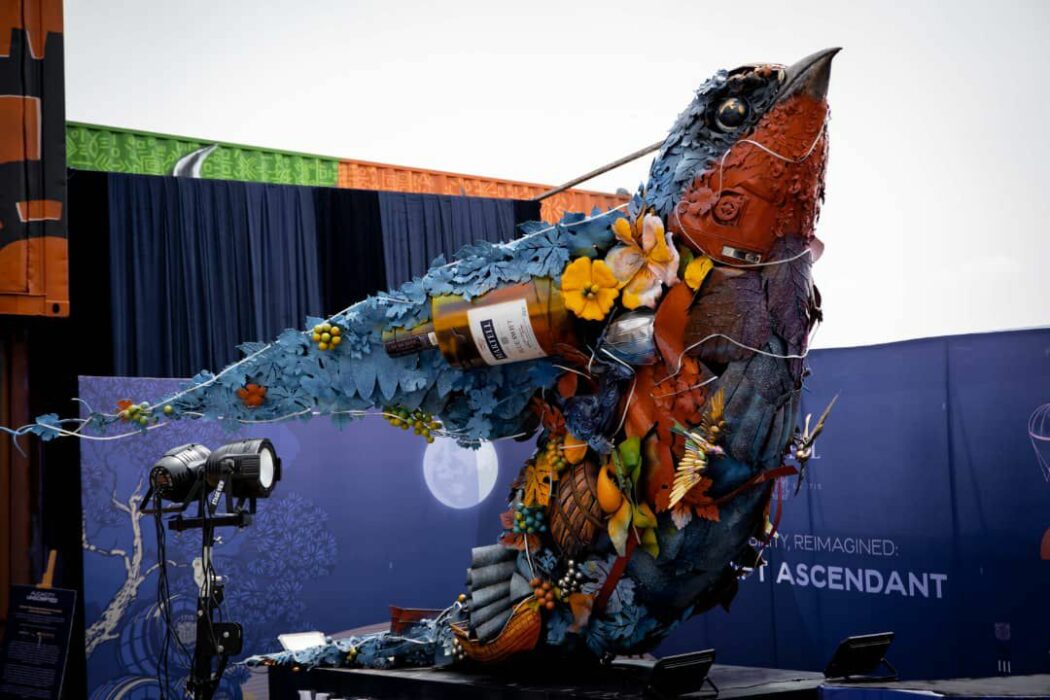
The exhibition, six years in the making, transforms discarded materials into sculptures, redefining how waste is perceived. For Popoola, the process mirrors Nigeria’s broader challenges—overlooked resources and people can still yield value if given attention and care.
He chose Abuja specifically to reach young creatives in the capital, introducing them to international standards of artistic production.”It’s about forging a new narrative,” he explained, pointing to the need for spaces where talent can develop without relying solely on government support.
Popoola’s own career illustrates the possibilities. He has exhibited in Qatar, India, Turkey, Bahrain, Azerbaijan, and the UAE, and his sculpture served as Nigeria’s pavilion centrepiece at Expo 2020 Dubai. Yet he insists that personal success is incomplete without broader civic engagement.
Fellow sculptor Dayo Amusan, who attended the exhibition, described Popoola as a figure who pushes younger artists to aim higher. “He shows them that it’s possible,” Amusan said, “but also that they have to fight for their place.”
Michael Ehindero, Managing Director of Pernod Ricard Nigeria, praised Popoola’s vision, noting that the artist’s ability to transform waste into beauty aligns with Martell’s commitment to sustainability and environmental responsibility.
Ultimately, “Reclaimed Beauty” serves as both an artistic statement and a political intervention. Popoola’s position is direct: Nigerian youth have the numbers and the energy, but without organised pressure on policymakers, their potential will continue to be wasted.
We’ve got the edge. Get real-time reports, breaking scoops, and exclusive angles delivered straight to your phone. Don’t settle for stale news. Join LEADERSHIP NEWS on WhatsApp for 24/7 updates →
Join Our WhatsApp Channel