Before my visit to China on 7 July, during which I had the rare privilege of spending 10 days, all I knew about the country came from the media. So, when the opportunity to visit came through an invitation to attend the International Media Youth Training Programme, I did not think twice before accepting.
With some anxiety, and with the support of my wife, I packed my clothes and medication before setting out on the journey. The trip lasted about 15 hours, comprising a four-hour flight from Abuja, Nigeria, to Bole International Airport in Addis Ababa, and another 11-hour flight from Addis Ababa to Beijing.
At Beijing Airport, I was received by a guide holding a placard bearing my name in bold letters. Perhaps because of the language barrier and the fatigue of the long journey, we exchanged very few pleasantries before heading to the hotel.
He led me to the vehicle waiting outside, where I met three other colleagues already seated. About 20 minutes later, we arrived at Yu Yang Hotel, where a cosy room had been reserved for me. After checking in, I retired to rest ahead of the busy schedule.
Yuyang Hotel Beijing is situated along the Liangma River in eastern Beijing. Renovated in 2008, the five-star hotel exemplifies hospitality, and I greatly enjoyed my five-day stay there. The members of staff were exceptionally polite and always ready to assist. The meals were superb, although at first I found it challenging to adapt to Chinese cuisine.
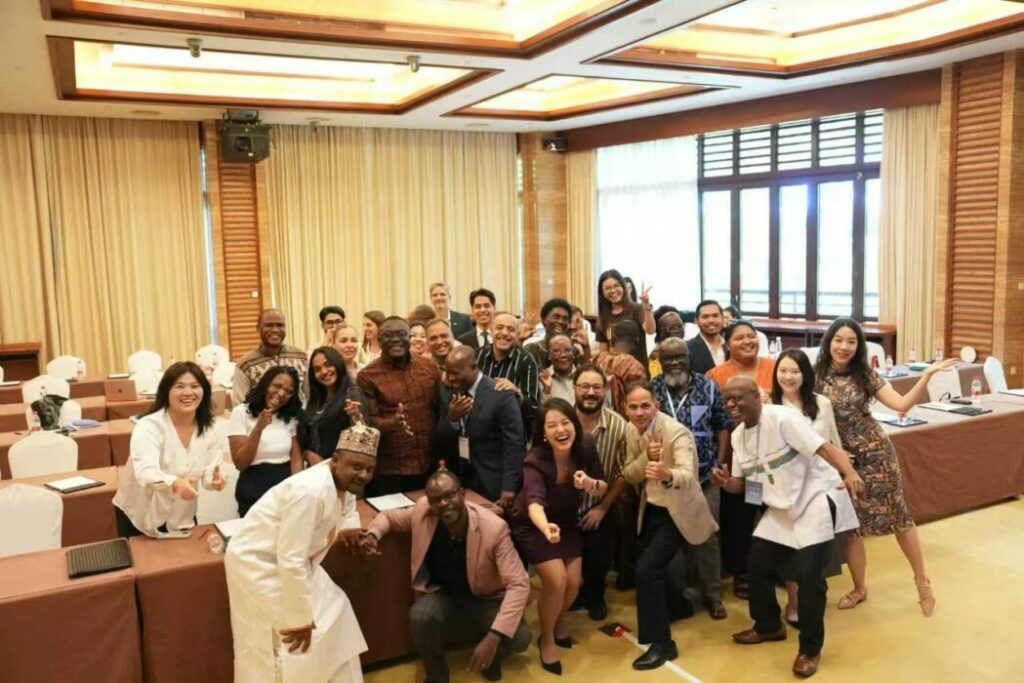
It was in Beijing that I realised the training, organised by the China International Development Cooperation Agency (CIDCA) as part of the country’s Global Development Initiative, had brought together more than 20 media executives, journalists, and news anchors from around 20 countries across the Global South, including Nigeria, Myanmar, Kenya, Ghana, Uruguay, Malawi, Tanzania, Liberia, Brazil, Uganda, the Maldives, Mongolia, Nauru, Afghanistan, Saudi Arabia, Laos, Egypt, and The Gambia.
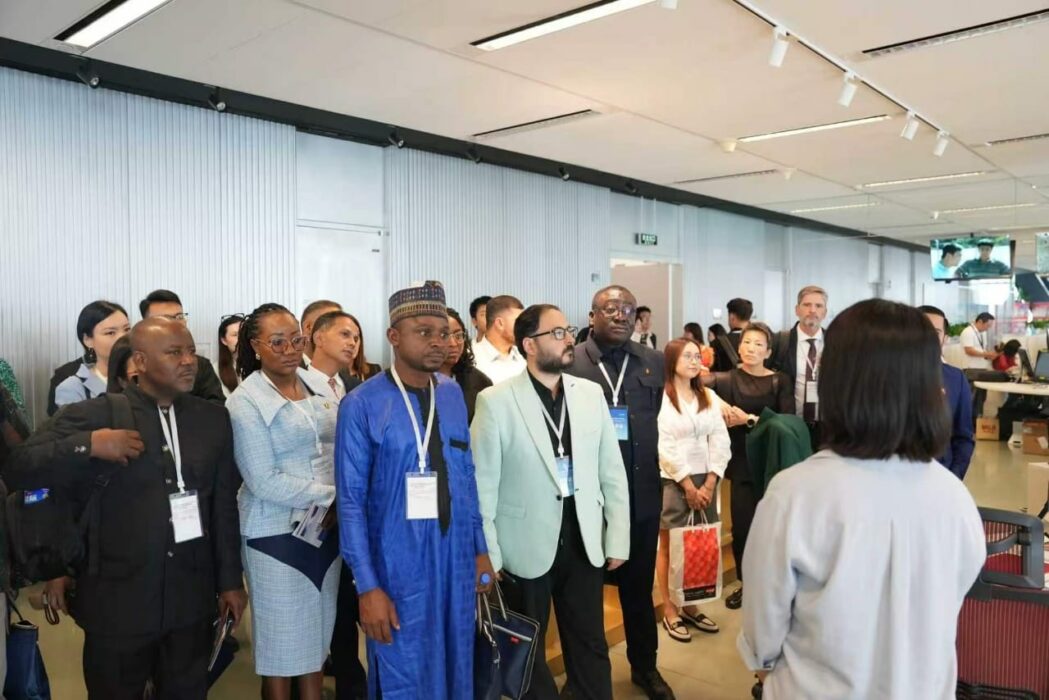
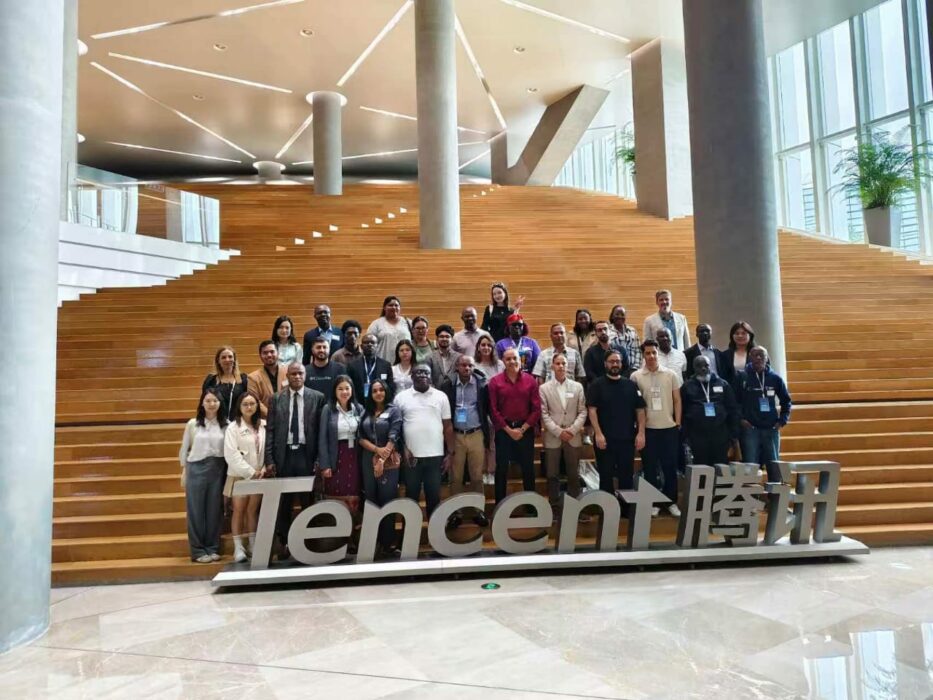
During our five-day stay in Beijing, we visited the impressive headquarters of China Media Group, where we familiarised ourselves with its operations. We also toured Tencent’s magnificent headquarters. I learnt that the building was designed by the Office for Metropolitan Architecture and that Tencent drives innovation through specialised research groups, academic partnerships and regional research and development hubs.
Our stay in Beijing featured intensive lectures on various subjects, including how China eradicated absolute poverty, delivered by lecturers from various Chinese universities and public officials. After five rewarding days, we departed for Sanya in Hainan Province.
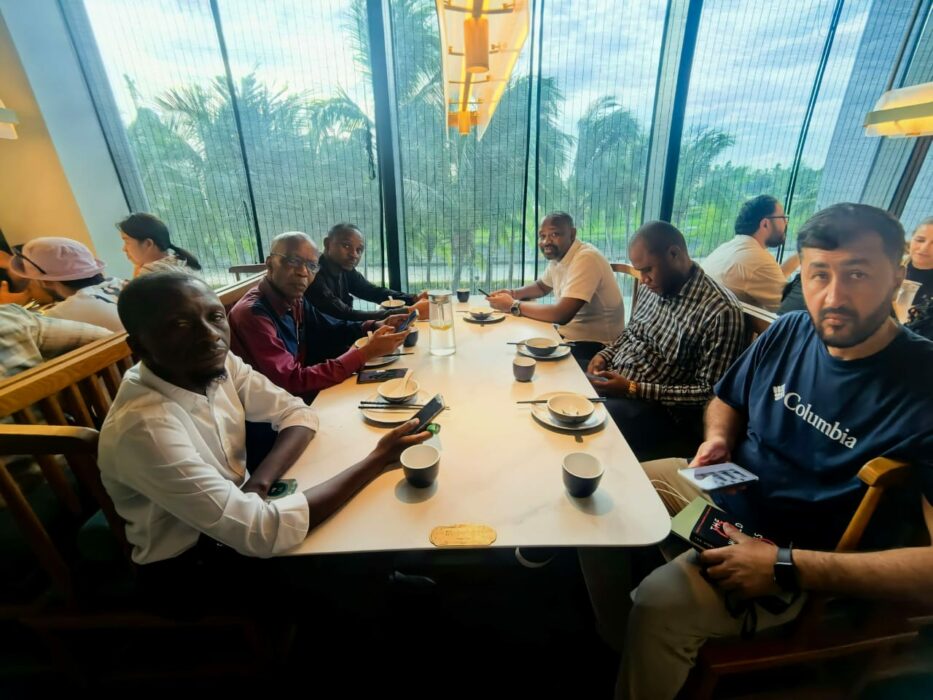
The flight to Hainan lasted about four hours—the same amount of time it took me to fly from Abuja to Addis Ababa. From Hainan Airport, we drove to Sanya. If I had been impressed by the accommodation and meals at Yu Yang Hotel in Beijing, I was equally impressed in Sanya, where we stayed in a five-star hotel owned by China Media Group. The food was excellent, although the menu consisted entirely of Chinese delicacies, with none of the African dishes I was accustomed to.
In Nigeria, where I come from, we are used to solid meals: pounded yams, semovita, amala, maize meal with different soups, porridge, beans, yams, cooked or roasted plantain, and many other local delicacies. I missed all of these during my stay in China.
For the first time in my life, I survived on rice for more than 10 days. I must admit that adjusting to the meals was a slight challenge. Thankfully, that challenge was eased by the variety and richness of Chinese cuisine available throughout the training. Although I missed Nigerian food, I also had the rare privilege of tasting several Chinese dishes for the first time.
But food was only one aspect of my experience in China. I visited remarkable places and saw firsthand the sophisticated infrastructure that gives the country’s cities their unique beauty. China is truly home to world-class infrastructure. I learned how Hainan was transformed into China’s Free Trade Port. Well-planned roads, well-maintained facilities, and towering skyscrapers are defining features of both Beijing and Sanya.
Above all, I can confidently say that China is far ahead of many nations in several respects. It is a country of 1.4 billion people that has successfully eradicated absolute poverty. It is playing a leading role in the green economy while investing heavily in development, research and technology transfer. More importantly, it is pursuing shared prosperity without bullying other nations.
When people think of China, they often picture cutting-edge technology. When I got to China, I saw technology that not only dazzled the eyes but also disappeared into the everyday life of an average Chinese. It was clear that for China, technology is designed to reduce human stress, not to bully other nations. China believes that the main purpose of technology is to make everyday life easier, safer and more efficient.
I am fascinated by many things, including China’s commitment to a shared prosperity for all. This philosophy defines the Chinese government’s approach to virtually everything, and the citizens trust the government because they can feel its impact. Herein lies the lesson for most governments of third-world countries, including Nigeria.
We’ve got the edge. Get real-time reports, breaking scoops, and exclusive angles delivered straight to your phone. Don’t settle for stale news. Join LEADERSHIP NEWS on WhatsApp for 24/7 updates →
Join Our WhatsApp Channel