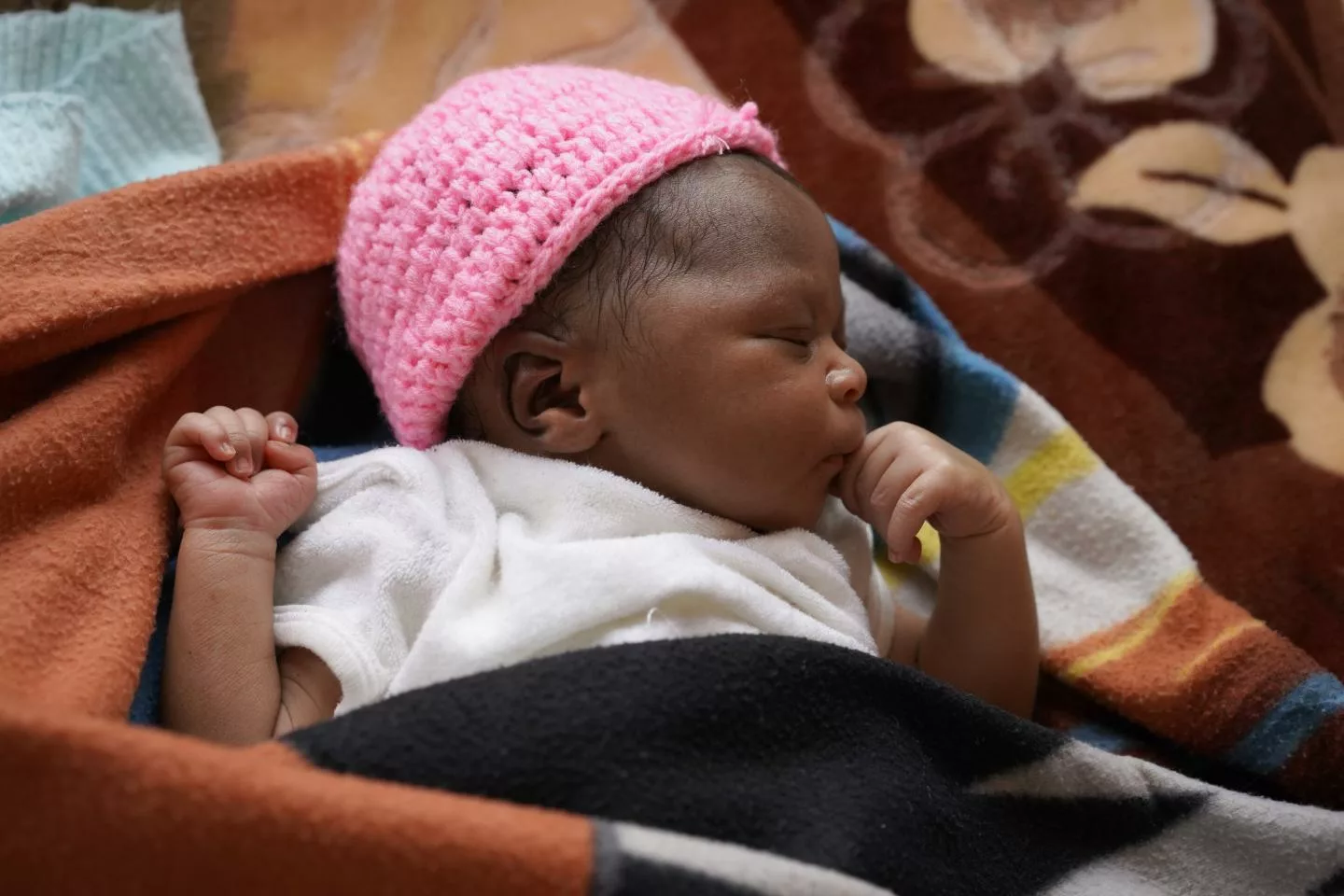
On a rainy morning in Ikeja earlier this year, sanitation workers found a newborn tucked inside a carton beside a roadside drain, umbilical cord still attached. In March, a newborn boy was recovered near the Ladoje Canal in Agege, Lagos. In April, neighbours raised the alarm over a three-year-old girl found malnourished and abandoned in Ipaja, reportedly left by a mother who had accused the child of witchcraft. In August, four nursing mothers and their infants — one just nine days old — were rescued from an illegal dumpsite along the Lagos-Badagry Expressway, where they had been living among refuse. On 2 September, two babies were found abandoned in Kurudu and Gwagwalada, Abuja, within hours of each other. Lagos State’s Child Protection Unit handled 1,437 reported cases of abuse, trafficking, abandonment, and neglect in 2026 alone and conducted 5,708 interventions. These are not random incidents. They are data points in a pattern.
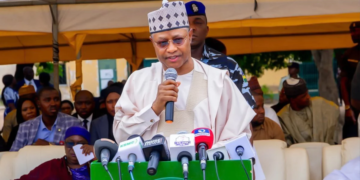
At the other end of the country, in the conflict-scarred communities of Guma Local Government Area, Benue State, a trafficking syndicate was quietly taking children. More than 300 children aged between one-and-a-half and thirteen years were allegedly removed from Yelewata, Daudu, and Agbancommunities under the cover of a so-called Back-to-School Project. The network was not run by crude criminals in masks. It was fronted by an internationally recognised civil society organisation, the National Council of Child Rights Advocates of Nigeria, whose 60-year-old founder has since been arrested by the National Agency for the Prohibition of Trafficking in Persons. The children were distributed to orphanages and sold under the guise of adoption, their identities changed, their families left without a trace. By the time NAPTIP launched its Special Squad and recovered more than 180 children across five states in its latest operation, 274 others were still being traced.
These two crises — the abandoned babies of Lagos and the trafficked children of Benue — appear at first to belong to different categories. One speaks of poverty, social distress, and the desperation of mothers without support. The other speaks of organised criminal exploitation. But they share the same underlying ground: a child-protection architecture that has been allowed to collapse in plain sight.
The Benue case exposes the most calculated dimension of the failure. The traffickers did not operate in darkness. They operated through a registered civil society organisation, with access to conflict-affected communities, with the trust of families already weakened by insecurity and displacement, and with the institutional cover of an educational programme. NAPTIP’s Director General, Binta Adamu Bello, described what investigators found as unbelievable and mind-boggling. What should trouble us even more, after reflection, is not that it happened but that the conditions for it to happen were so thoroughly in place: poverty that made parents susceptible to false promises, conflict that disrupted community vigilance, regulatory failure that allowed orphanage networks to operate without adequate oversight, and a civil society sector in which criminal elements had found comfortable institutional lodging.
The Lagos and Abuja abandonment cases reveal the other face of the same failure. Women who leave newborns in cartons and drains are not, as a rule, acting from indifference. They are acting from desperation — unwanted pregnancy, poverty, fear of stigma, mental distress, the complete absence of any institutional option between secrecy and abandonment. A society that provides no safe surrender mechanism, no accessible emergency shelter for women in crisis, no credible legal adoption pathway, and no affordable counselling will continue to produce abandoned infants on its streets, in its gutters, and beside its canal banks. Punishment for abandonment — and the law is clear that it is a criminal offence — cannot substitute for the support structures whose absence drives abandonment. Both must exist simultaneously. Currently neither functions adequately.
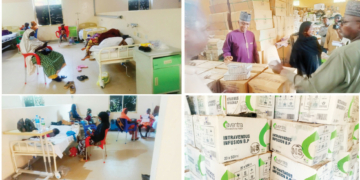
The governance failures are specific and correctable. NAPTIP requires substantially greater investigative capacity and a permanent, not ad hoc, Special Squad for child rescue operations. Orphanages and care homes must be subject to rigorous, unannounced inspection and licensing review at regular intervals. The civil society sector must undertake an internal reckoning: the Director General of NAPTIP has challenged umbrella bodies to identify and flush out criminal elements within their ranks, and that challenge must be met, not deflected. State ministries of women affairs and social development must be properly resourced — not left as skeleton services that carry the name of child protection without the staff, budget, or mandate to practise it.
Adoption law requires urgent reform. Nigeria’s current process is so cumbersome, expensive, and slow that it has driven demand toward illegal channels. A functioning legal adoption system — one that is transparent, affordable, and timely — reduces the market for traffickers. It also gives abandoned children a pathway to family life rather than indefinite institutional warehousing in facilities that have themselves proven vulnerable to exploitation.
NAPTIP’s recent operations deserve full commendation. But rescue is the consequence of a failure that prevention should have avoided. A nation is judged not only by how it punishes the trafficker who exploited a child, but by whether it built the systems that might have protected that child before the exploitation began. Nigeria has not yet built those systems. The children found in cartons, in dumpsites, and in illegal orphanages across this country are the evidence.
We’ve got the edge. Get real-time reports, breaking scoops, and exclusive angles delivered straight to your phone. Don’t settle for stale news. Join LEADERSHIP NEWS on WhatsApp for 24/7 updates →
Join Our WhatsApp Channel