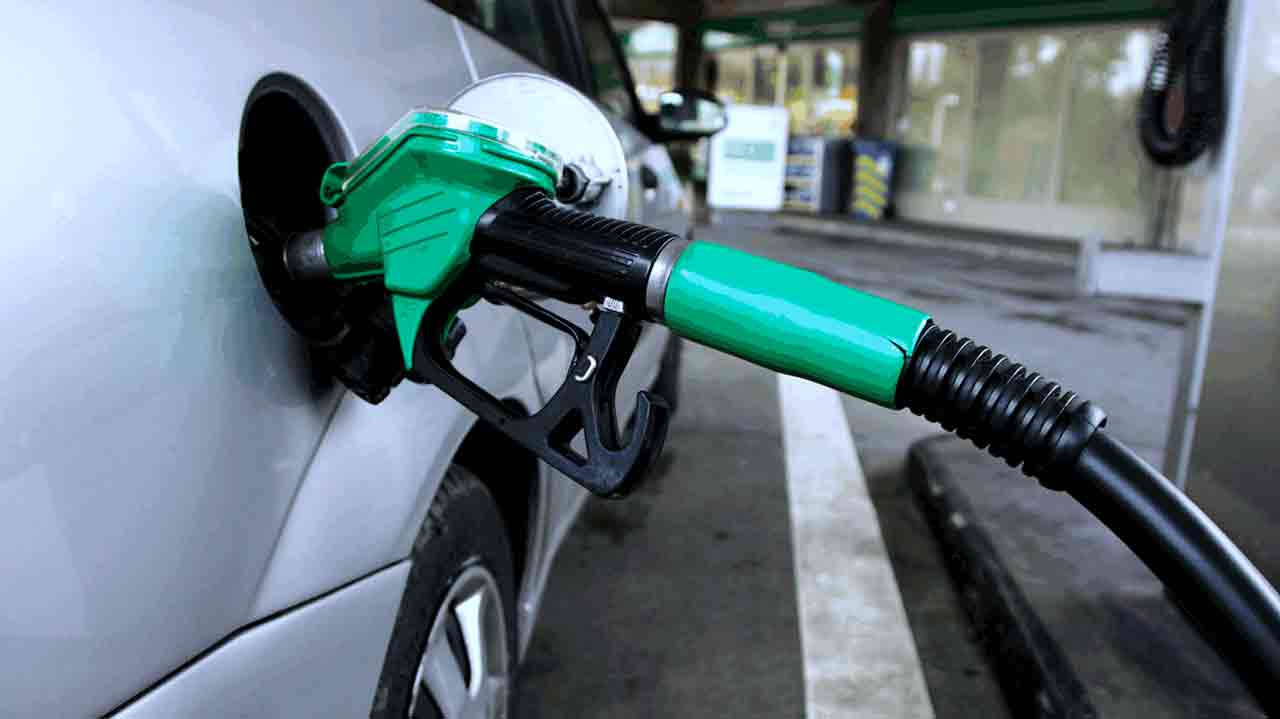
The recent surge in retail petrol prices across the country, that pushed pump prices well above ₦1,400 per litre, has dealt yet another crushing blow to the fragile economic lives of ordinary Nigerians. Coming on the heels of this price hike, the Presidential directive mandating state governments to accelerate the deployment of Compressed Natural Gas (CNG) and electric mass transit buses by October 1st appears, on the surface, like a timely intervention. However, we view this directive with measured skepticism. This is because policy directives issued without immediate, functional infrastructure operate as little more than political window dressing, a hasty attempt to obscure the reality of rising fuel costs under the guise of a green energy transition.
Meanwhile, we want to begin by commending the Federal government for their assertive stance in holding state chief executives accountable, because for too long, many state governors have operated with a troubling degree of lethargy, absorbing increased federal revenue allocations without translating them into tangible relief for their citizens. By issuing direct mandates that compel state administrations to step up and deliver services like functional mass transit systems, the Presidency is rightly pushing state governments to wake up to their primary duty of public service. We therefore call on the Federal Government to maintain this firm supervisory stance, continuously directing and pressuring state executives to execute their constitutional responsibilities so that everyday Nigerians can finally enjoy the true dividends of democracy.
But specifically on the Presidential directive, for northern Nigeria, the stakes in this policy-execution gap remain existential. The North’s economic heartbeat relies entirely on long-distance logistics, connecting sprawling rural agrarian hubs to major urban consumer markets. When fuel prices spike, the shockwaves ripple instantly across the country, but they hit Northern farmers, haulage operators, and rural households hardest. Vast geographical distances mean that transportation costs constitute the largest single component of food pricing. To abruptly raise petrol prices while demanding a shift to CNG, when the required gas refilling infrastructure in the region is virtually non-existent, is to condemn Northern agrarian communities to heightened economic isolation and fuel rampant food inflation across the federation.
The core flaw of the current approach lies in its urban-centric bias and lack of structural readiness. Pushing CNG as a panacea without first laying down gas pipelines, booster stations, and accessible refilling depots across critical transit corridors is putting the cart before the horse. Outside a handful of urban centres like Abuja or Kano, a commuter or commercial driver traveling through the vast agrarian spans of Kaduna, Benue, Niger, or Katsina will search in vain for a single functional CNG refilling station.
Our stand on this Presidential directive is that government must not allow political expediency to overshadow practical implementation. A presidential directive cannot substitute for physical infrastructure. If the Federal Government is sincere about cushioning the impact of fuel subsidy removal and recent price hikes, it must complement its executive orders to states with aggressive investments that fix the severe infrastructural deficit preventing genuine CNG adoption.
What Northern logistics realities urgently demand is a strategic, corridor-based infrastructure deployment. The Federal Ministry of Petroleum Resources, in direct partnership with state governments and private investors, must prioritize dedicated CNG infrastructure investments along major trade routes, most notably the vital Kano–Kaduna–Abuja and Benue–Lokoja–Abuja corridors. Equipping these key arterial highways with high-capacity CNG mother-and-daughter stations will immediately allow long-distance food haulage trucks and interstate commercial buses to transition to cheaper gas, driving down transport tariffs and stabilizing food prices nationwide.
Furthermore, CNG accessibility must not be restricted to government-owned mass transit fleets. True economic relief will only occur when the general public like rural traders, private vehicle owners, and commercial taxi drivers across states and local government areas can easily access refilling stations within reasonable driving distances. Establishing refilling infrastructure at strategic municipal and local government nodes is the single most effective way to convince skeptical citizens to invest in converting their petrol-powered vehicles to CNG. As long as refilling a gas cylinder requires a 100-kilometre journey, conversion mandates will remain dead on arrival.
The primary measure of good governance is not merely the ambition of its announcements, but the practical ease it brings to the daily lives of its citizens. The hardworking farmers of Benue, the commercial haulers of Kano, and commuters across Nigeria need accessible, affordable energy that keeps goods moving and food on the table. The Federal Government must bridge this policy-execution gap immediately by building the infrastructure that makes CNG a practical reality rather than a distant promise.
We’ve got the edge. Get real-time reports, breaking scoops, and exclusive angles delivered straight to your phone. Don’t settle for stale news. Join LEADERSHIP NEWS on WhatsApp for 24/7 updates →
Join Our WhatsApp Channel