Germany has pledged support, including funding, for Nigeria’s food security drive through the implementation of the Comprehensive Africa Agriculture Development Programme (CAADP) Kampala Agenda 2026-2035.
The support focuses on strengthening coordination, policy alignment, and monitoring and accountability mechanisms across federal and state levels.
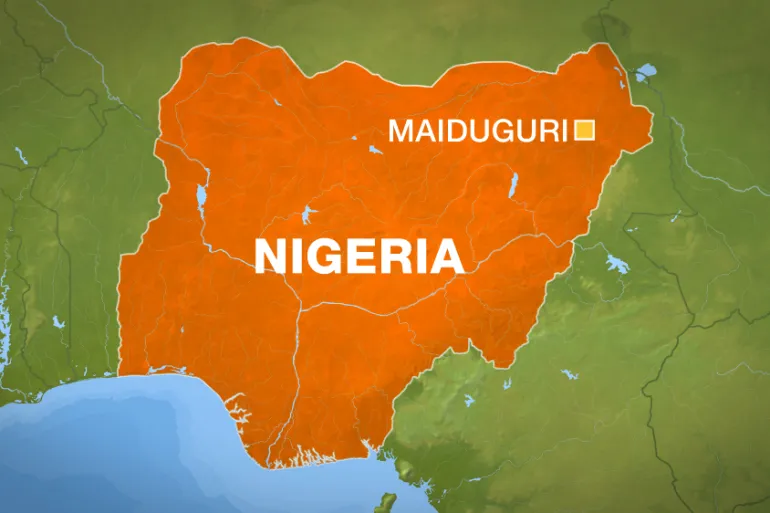
In Maiduguri, the Borno State capital, the head of Development Cooperation at the German Embassy in Nigeria, Dr Karin Jansen, said Nigeria is transitioning from strategic planning to full implementation of the agenda.
She noted that the CAADP Kampala Agenda, adopted by African Heads of State and Government, is the African Union (AU’s) flagship framework for transforming agriculture and agrifood systems across the continent.
Jansen said the German government is partnering with the Federal Ministry of Agriculture and Food Security and the Borno State Government to domesticate the framework for a food-secure Nigeria.
She said the agenda seeks to boost food production, strengthen resilience of agrifood systems, promote inclusive growth and ensure food and nutrition security.
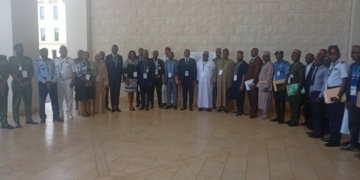
The Maiduguri meeting brought together federal and state government officials, development partners, private sector players, farmers’ organisation society groups, to develop a concrete roadmap for domesticating and implementing the agenda in Nigeria.
Noting that Nigeria has established important foundations for the implementation, Jansen said that the National Agrifood Systems Investment Plan (NASIP) 2026–2027 provides an investment framework, while a 10-year Agrifood System Strategy and Action Plan 2026–2035 was technically validated in July 2026, saying that the next step is to translate these strategic frameworks into prioritised and measurable action, particularly at the state level.
The Minister of Agriculture and Food Security, Sen Abubakar Kyari, said President Bola Ahmed Tinubu has placed food security at the centre of the national agenda, adding that the responsibility of States and stakeholders is to translate that mandate into increased production, greater affordability, stronger rural economies and a more resilient food system.
He added that citizens of Nigeria have seen reductions of up to 50 per cent in the prices of some essential food commodities, alongside expanded input delivery, investments in rural infrastructure, and support for smallholder farmers.
Kyari said the task now is to sustain these gains and deepen their impact, noting that the responsibility has become even more important with the Kampala CAADP Declaration and its Strategy and Action Plan for 2026–2035.
The Minister said the Kampala framework takes a broader agrifood systems approach, with priorities spanning sustainable production, investment and finance, food and nutrition security, trade, inclusion, resilience and stronger governance.
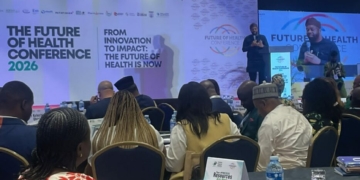
Borno State Governor, Babagana Umar Zulum, in his remarks, said the Summit is more than a gathering of policymakers, development practitioners, agricultural experts, researchers, farmers, private-sector actors and development partners.
Represented by his deputy, Usman Kadafur, Zulum said it is a platform for shared learning, honest reflection and collective action towards building a more resilient, productive and sustainable agricultural sector for the nation. End
We’ve got the edge. Get real-time reports, breaking scoops, and exclusive angles delivered straight to your phone. Don’t settle for stale news. Join LEADERSHIP NEWS on WhatsApp for 24/7 updates →
Join Our WhatsApp Channel