
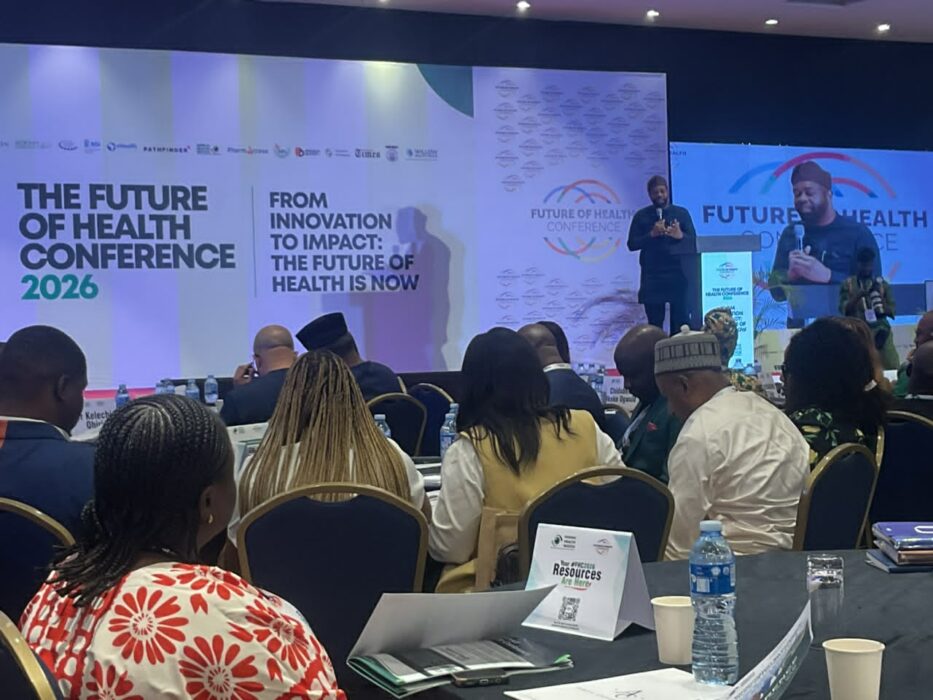
The Director-General of NHIA, Dr Kelechi Ohiri, disclosed this on Thursday while speaking on health financing reforms and innovation at the Future of Health Conference organised by Nigeria Health Watch in Abuja.
Ohiri said the intervention was introduced to address delays in accessing emergency maternal healthcare, particularly among women who cannot afford the cost of treatment when complications arise during childbirth.
He explained that some women face delays because hospitals demand deposits before providing treatment, forcing families to seek money or move between facilities while their conditions deteriorate.
According to him, the NHIA introduced the intervention to ensure that women experiencing complications during childbirth could receive emergency obstetric care without being turned away because of their inability to pay.
He said the scheme, which began with pilot facilities before being expanded, currently covers about 300 hospitals across the country.
The NHIA boss also disclosed that approximately 6,000 women had benefited from another intervention addressing a treatable health condition, although he did not specify the condition.
Ohiri said the initiatives reflected the need to move beyond increasing health insurance enrolment to ensuring that coverage translated into access to healthcare and financial protection.
He noted that Nigeria had about 23.2 million people covered by health insurance, against an estimated population of between 218 million and 250 million, leaving a significant proportion of the population without coverage.
According to him, expanding health insurance requires enforcing existing mandates, creating awareness and building public trust in the system.
He said insurance coverage should guarantee access to healthcare when needed and protect beneficiaries from paying out of pocket for services covered by their policies.
Ohiri also stressed the need for Nigeria to embrace innovations in healthcare financing, service delivery and technology to address the country’s complex disease burden.
He noted that the country continued to grapple with infectious diseases while facing a growing burden of non-communicable diseases, requiring approaches that could respond to both challenges.
The DG said innovation should not be limited to technological devices but should include improvements in processes, financing arrangements and the organisation of healthcare services.
He added that the authority was working with states to integrate people affected by HIV and tuberculosis into health insurance schemes, with about 70,000 people already integrated through the initiative.
According to him, the approach would enable beneficiaries to access more comprehensive healthcare rather than having their treatment organised solely around individual diseases.
Ohiri further emphasised the importance of locally driven health research, saying Nigeria needed to develop solutions that responded to its specific healthcare challenges.
He said the NHIA, in partnership with Nigeria Health Policy, had established a research platform to support Nigerian researchers and generate evidence for health policy and programme development.
Earlier, the Managing Director of Nigeria Health Watch, Vivianne Ihekweazu, said the conference was designed to examine how innovations could move beyond pilot projects to deliver measurable and sustainable improvements in healthcare.
She said the conference brought together stakeholders working on digital health, maternal healthcare, family planning, climate-resilient health facilities and other interventions aimed at addressing gaps in the health system.
Ihekweazu stressed that innovations must respond to existing healthcare challenges rather than remain future aspirations, noting that patients could not afford to wait for solutions that might take years to become available.
She added that sustainable financing, appropriate policies and partnerships among government, researchers, healthcare providers and the private sector were essential to expanding successful interventions.
The conference, themed “From Innovation to Impact: The Future of Health Is Now,” focused on practical solutions, scaling effective interventions and developing new models for organising healthcare delivery.
We’ve got the edge. Get real-time reports, breaking scoops, and exclusive angles delivered straight to your phone. Don’t settle for stale news. Join LEADERSHIP NEWS on WhatsApp for 24/7 updates →
Join Our WhatsApp Channel