The United Nations has warned that poorly planned housing developments could worsen transportation costs, infrastructure pressure and environmental risks for Nigerians.
This is as the federal government said it completed more than 240 urban renewal and slum-upgrading projects nationwide, with over 100 others ongoing,
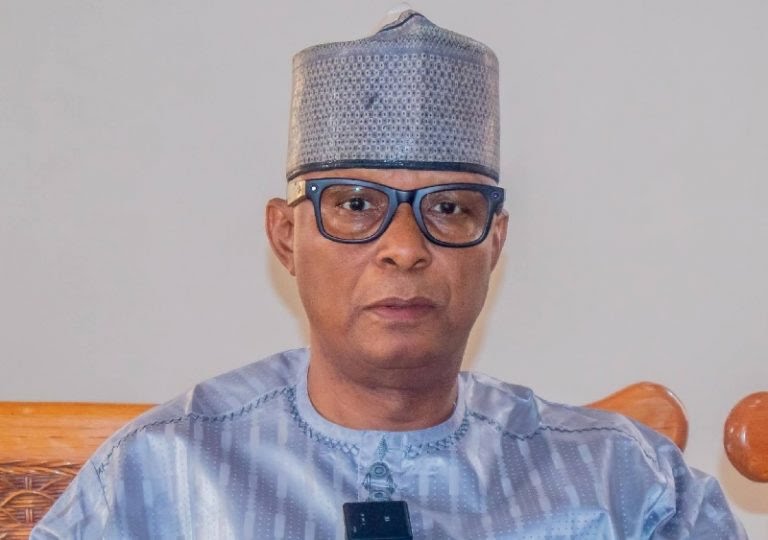
The minister of Housing and Urban Development, Muttaqha Rabe Darma, disclosed this on Monday in Abuja during the combined commemoration of the 2026 World Habitat Day and World Cities Day, held under the global observance of Urban October.
Darma said the government was pursuing reforms to expand access to affordable housing, improve urban infrastructure and promote sustainable human settlements under President Bola Tinubu’s Renewed Hope Agenda.
He said the Renewed Hope Cities and Estates Programme was targeting 100,000 housing units across the 36 states and the Federal Capital Territory, while the government was strengthening housing institutions, improving land administration and promoting local building-materials production to reduce construction costs.
The minister identified high interest rates, inadequate long-term financing and stringent mortgage eligibility requirements as persistent barriers to homeownership, adding that the government was promoting rent-to-own arrangements and public-private partnerships to widen access to housing.
He also called for stronger enforcement of building standards, modernisation of the National Building Code and the establishment of a reliable National Housing Data Bank to guide urban planning and investment decisions.
However, the chief technical adviser and head of the UN-Habitat Nigeria Country Office, Niina Rinne, cautioned that increasing housing supply without proper urban planning could create additional problems for residents rather than improve their living conditions.
Rinne warned that poorly located housing developments could increase transportation expenses, strain existing infrastructure and expose communities to environmental hazards, stressing that housing policies must integrate land management, transport systems and access to essential services.
She urged the government to extend urban regeneration beyond new estates to existing neighbourhoods and informal settlements, where improved drainage, safer streets, public spaces and climate-resilient infrastructure are urgently needed.
The UN-Habitat official further stressed that communities must participate in decisions affecting their homes and livelihoods, warning against urban development approaches that overlook existing residents and their needs.
We’ve got the edge. Get real-time reports, breaking scoops, and exclusive angles delivered straight to your phone. Don’t settle for stale news. Join LEADERSHIP NEWS on WhatsApp for 24/7 updates →
Join Our WhatsApp Channel