
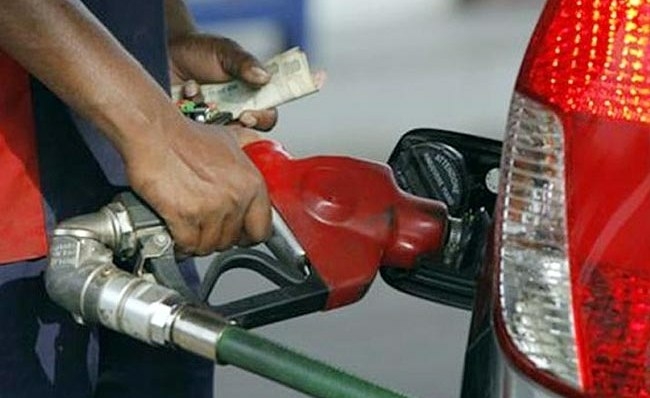
Petrol imports into Nigeria fell by 30 per cent in September as approved permit volumes were being exhausted, while domestic supply from the Dangote refinery also declined, pulling total petrol receipts down by 23 per cent.
The September 2026 factsheet of the Nigerian Midstream and Downstream Petroleum Regulatory Authority (NMDPRA), showed that imports by oil marketing companies and the Nigerian National Petroleum Company Limited (NNPC) averaged 10.2 million litres per day (ML/D), down from 14.6 ML/D in August. Domestic supply fell 21 per cent to 28.5 ML/D, from 35.9 ML/D.
The authority said imports fell as approved permit volumes were being exhausted.
Total petrol receipts averaged 38.7 ML/D in September, compared with 50.5 ML/D in August. Domestic supply fell 21 per cent to 28.5 ML/D, from 35.9 ML/D.
Imports accounted for about 26 per cent of petrol received, while domestic sources supplied 74 per cent. The state-owned refineries in Port Harcourt, Warri and Kaduna did not produce during the month.
September imports were about 47 per cent below the 13-month average of 19.3 ML/D, by this newspaper’s calculation.
Imports have fallen steadily since mid-year. They were 18.1 ML/D in June and 19.7 ML/D in July, so September’s level is roughly half the July volume. The 13-month peak was 52.1 ML/D in November 2025, followed by 42.2 ML/D in December.
Imports were lower in the first half of the year, at between 3.0 and 5.9 ML/D from February to May.
Demand moved the other way. Petrol truck-out rose seven per cent to 44.4 ML/D, from 41.5 ML/D in August, which NMDPRA described as a 13-month low. September consumption was 88.8 per cent of the authority’s 50 ML/D benchmark.
Receipts of 38.7 ML/D were below consumption of 44.4 ML/D.
National petrol stock cover stood at 23.9 days, against the 30-day requirement, a deficit of 6.1 days. It was 22.9 days in August. Cover has risen for four consecutive months but has stayed below 30 days since March. The authority’s calculation includes stock held at the Dangote refinery.
Dangote produced 47.22 ML/D of petrol in September, of which 28.50 ML/D went to the domestic market and 15.47 ML/D was exported. Exports made up 35.2 per cent of the refinery’s petrol evacuation. Closing petrol stock at the refinery was 366.2 million litres.
The refinery’s average capacity utilisation was 105.98 per cent of its 650,000 barrels per day installed capacity. NMDPRA noted that this implies a crude run of about 689,000 barrels per day, against 618,000 barrels per day received, with the difference drawn from inventory.
One cargo of gasoline blendstock was imported from the United Kingdom in September to support petrol production, bringing blendstock intake to 51.50 million litres. This is feedstock for the refinery and is not counted in petrol imports.
The pattern extended to other fuels. Diesel imports fell 54 per cent to 0.6 ML/D, leaving total diesel receipts at 8.7 ML/D, the lowest in 13 months. NMDPRA attributed this to low imports and low domestic evacuation amid high prices. LPG imports fell 85 per cent to 0.2 kilotonnes per day, while domestic LPG supply rose 50 per cent.
Indicative pump prices for petrol ranged from N1,371.01 per litre in Lagos to N1,464.75 in Maiduguri. Dated Brent averaged $116.77 per barrel in September, gasoline FOB cost was $1,234.06 per metric tonne, and the NFEM exchange rate averaged N1,327.31 to the dollar.
We’ve got the edge. Get real-time reports, breaking scoops, and exclusive angles delivered straight to your phone. Don’t settle for stale news. Join LEADERSHIP NEWS on WhatsApp for 24/7 updates →
Join Our WhatsApp Channel