The Lagos State Government has identified poor food preservation, inadequate storage facilities and high transportation costs as major drivers of food inflation in Nigeria, saying reducing post-harvest losses could help lower food prices.
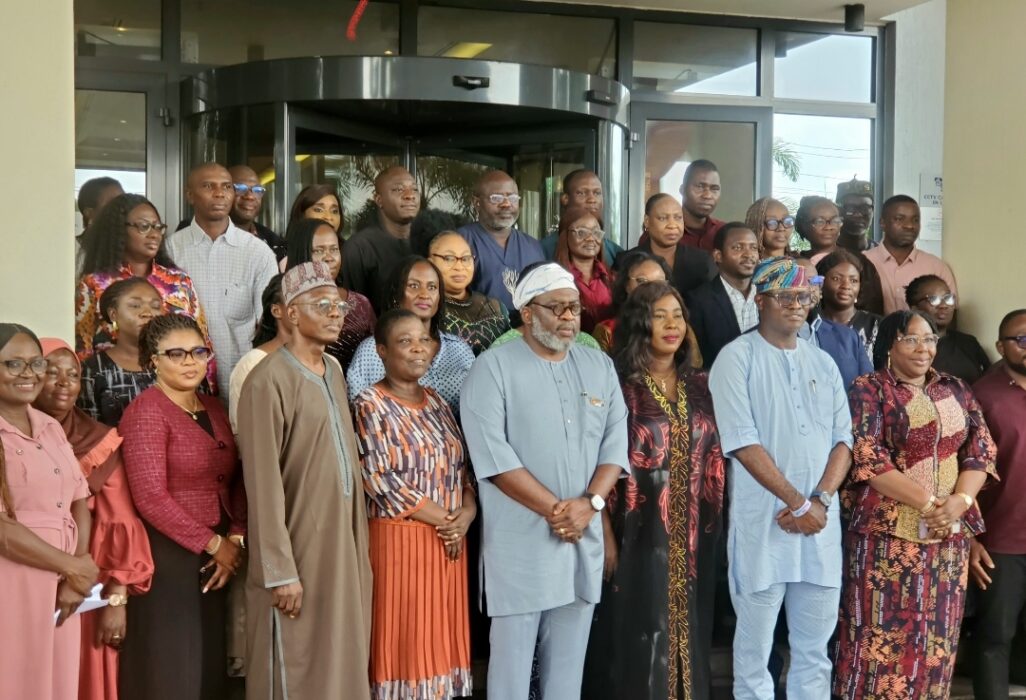
The Commissioner for Agriculture and Food Systems, Ms Abisola Olusanya, stated this at the bi-annual review of the implementation of the Strategy for Food Systems Transformation Pathways (FSTP) and validation of the draft Standard Operating Procedure (SOP) for the South-West geopolitical zone in Lagos.
Olusanya said large quantities of food produced in different parts of the country often perish before reaching Lagos markets due to bad roads, multiple checkpoints, high transportation costs and inadequate temperature-controlled storage facilities.
She said, “A lot of food is rotting by the sides of the road. Our problem around inflation is not production. It is actually preservation, storage, logistics.”
The commissioner said the situation had made it necessary to strengthen food storage, transportation and distribution systems to minimise losses between farms and consumers.
To address the challenge, she disclosed that the state was developing the Lagos Food Logistics Hub on 400 hectares of land to improve food handling, storage and distribution.
According to her, the facility, modelled after the Rungis International Market in Paris, would serve as a central point for receiving, grading, storing and distributing agricultural produce, supported by smaller distribution hubs across the state.
Olusanya said the proposed system would also improve food traceability, enabling the government to monitor the origin of produce and how it was handled before reaching consumers.
She expressed concern over the limited information available to consumers about the sources and handling of food, including the use of chemicals such as carbide to ripen fruits, stressing the need for stronger quality control and standards across food markets.
The commissioner added that the logistics hub would promote transparent pricing through an auction-style arrangement in which buyers compete for produce, allowing market forces to determine prices. It would also establish standards for food preservation, storage, packaging and display.
Meanwhile, the Lagos State Commissioner for Economic Planning and Budget, Ope George, said food systems transformation was critical to food security, nutrition, employment, economic growth and household welfare.
George noted that the concept extended beyond agricultural production to include processing, storage, transportation, distribution, market access and sustainable consumption.
He said meaningful progress required coordinated policies, effective institutions and sustained collaboration among stakeholders, adding that the success of the strategy should be assessed by its implementation and measurable impact.
According to him, Lagos’s position as a major consumption and distribution centre, with strong food supply links to other parts of Nigeria, particularly the northern states, makes cooperation between producing and consuming regions essential.
He identified post-harvest losses, high transportation costs, inadequate storage and market inefficiencies as challenges requiring coordinated action across states and geopolitical zones.
George said the government remained committed to evidence-based planning, appropriate resource allocation and effective monitoring to ensure that policy commitments translated into measurable development outcomes.
He added that the validation of the draft SOP would help clarify institutional responsibilities, strengthen coordination and promote consistent implementation and reporting among participating institutions.
Similarly, Permanent Secretary, Federal Ministry of Budget and Economic Planning, Dr Deborah Oboh noted that this Bi-annual review provides an important platform to assess the progress that has been made in implementing these food system transformation pathways since its last review.
Dr. Deborah Oboh, represented by the Programme National Convenor, Dr Clementina Ebere-Okoro, said the review would assess progress in Nigeria’s food systems transformation, address implementation challenges and validate the draft Standard Operating Procedures (SOPs) to strengthen coordination, accountability and consistency at federal and state levels.
She identified climate change, insecurity, malnutrition, post-harvest losses and rising food prices as key challenges, stressing the need for evidence-based policymaking, effective partnerships and a coordinated government-wide and society-wide approach to achieving sustainable food security, improved nutrition and better livelihoods.
We’ve got the edge. Get real-time reports, breaking scoops, and exclusive angles delivered straight to your phone. Don’t settle for stale news. Join LEADERSHIP NEWS on WhatsApp for 24/7 updates →
Join Our WhatsApp Channel