
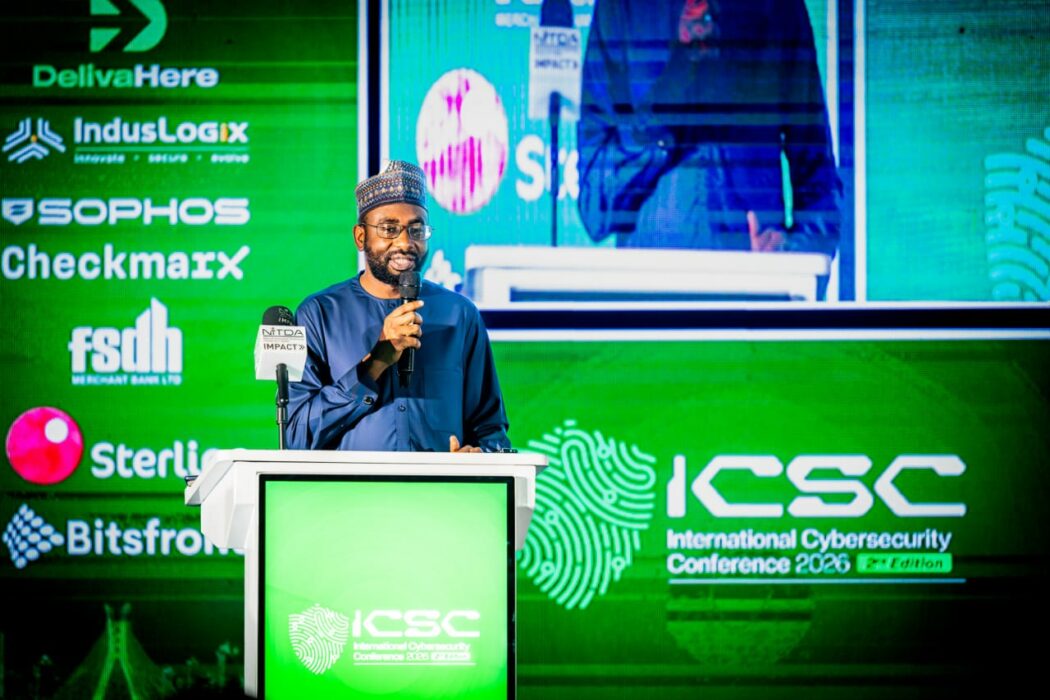
Cybersecurity experts, lawmakers and international partners have called for stronger global cooperation and more resilient digital infrastructure to counter the growing threat of artificial intelligence-driven cyberattacks, warning that technological advances are expanding the capabilities of cybercriminals.
The stakeholders made the call at the opening of the 2026 International Cybersecurity Conference (ICSC) in Abuja on Tuesday, stressing that the increasing sophistication of cyber threats requires countries to strengthen institutional preparedness, public awareness and cross-border collaboration.
Director-General of the National Information Technology Development Agency (NITDA), Kashifu Inuwa, said the growing use of artificial intelligence by cybercriminals had changed the cybersecurity landscape, making it necessary for organisations to adopt more advanced approaches to identifying, preventing and responding to attacks.
He explained that cybersecurity and cyber resilience, although closely related, served different purposes. While cybersecurity focuses on protecting systems and preventing unauthorised access, cyber resilience concerns an organisation’s ability to withstand disruptions, recover from attacks and sustain essential operations.
Inuwa said the human dimension of cybersecurity was becoming increasingly important as criminals exploited behavioural weaknesses to gain access to systems and sensitive information. He argued that protecting digital infrastructure alone would not be sufficient without addressing the vulnerabilities that make individuals susceptible to manipulation.
The NITDA chief’s position highlights a growing challenge for organisations: as digital security tools become more sophisticated, attackers can also exploit human trust, deception and limited awareness to circumvent technological safeguards.
Chairman of the Senate Committee on ICT and Cybersecurity, Senator Shuaib Afolabi Salisu, described the conference as an opportunity to strengthen technology diplomacy and deepen Nigeria’s international partnerships.
He said the participation of foreign lawmakers and other international stakeholders demonstrated the importance of sustained engagement in addressing cybersecurity challenges, while creating opportunities for cooperation and investment in Nigeria’s digital economy.
Similarly, Chairman of the House of Representatives Committee on ICT and Cybersecurity, Adedeji Stanley Olajide, warned that cybersecurity was a constantly evolving challenge requiring continuous learning, policy adjustments and collaboration across sectors.
According to him, measures that are effective against cyber threats today may become inadequate as artificial intelligence changes the tools and techniques available to malicious actors.
Olajide called for stronger cooperation among cybersecurity professionals, policymakers, diplomats, judicial officers and heads of government institutions, noting that cybercrime frequently cuts across national borders and jurisdictions.
He said countries across Africa, Europe, Asia, the Americas and other regions must treat cybersecurity as a shared responsibility rather than an isolated national concern.
Meanwhile, Chair of the Council of Europe’s Cybercrime Convention Committee, Pedro Verdelho, called for greater public understanding of the risks associated with digital technologies, warning that adoption was advancing faster than awareness of the dangers.

He noted that artificial intelligence and other digital tools had become part of everyday activities, from online searches and travel planning to commercial transactions, making cybersecurity awareness increasingly necessary for individuals, businesses and government institutions.
Verdelho also highlighted the Budapest Convention on Cybercrime, which provides a framework for international cooperation against cybercrime and facilitates cooperation on electronic evidence. He welcomed regional participation in efforts to strengthen international responses to cyber offences.
Swedish Ambassador to Nigeria, Anna Westerholm, said cybersecurity was fundamental to building public trust in digital transformation, noting that increased connectivity also exposed individuals, businesses and institutions to greater risks.
She said Nigeria’s digital transformation presented opportunities for innovation, economic growth and inclusion, adding that Sweden and Swedish companies were supporting the country’s digital development.
The discussions at the conference underscored the need to align technological innovation with effective security policies, institutional preparedness and public education. As AI tools become more widely available, experts say, the ability of governments and organisations to anticipate attacks, respond to incidents and recover quickly will be central to protecting digital services and economic activities.
The conference also reinforced the importance of international partnerships in tackling cybercrime, particularly where investigations, digital evidence and criminal operations extend across multiple jurisdictions.
We’ve got the edge. Get real-time reports, breaking scoops, and exclusive angles delivered straight to your phone. Don’t settle for stale news. Join LEADERSHIP NEWS on WhatsApp for 24/7 updates →
Join Our WhatsApp Channel