
Nigeria’s renewed diphtheria outbreak continues to pose a serious public health threat, with thousands of confirmed cases and deaths recorded across the country since the disease resurfaced in 2022.
The Nigeria Centre for Disease Control and Prevention (NCDC) recorded 61,930 suspected diphtheria cases, 40,460 confirmed cases and 2,151 deaths between epidemiological week 19 of 2022 and week three of 2026.
The confirmed cases were recorded across 300 Local Government Areas in 31 states, with Kano, Yobe, Borno, Bauchi and Katsina accounting for the overwhelming majority of confirmed infections.
The NCDC said only 5,974, representing 14.3 per cent, of the 40,460 confirmed cases were fully vaccinated against diphtheria, underscoring concerns over gaps in routine immunisation. Children aged one to 14 years accounted for 64.8 per cent of confirmed cases.
What is diphtheria?
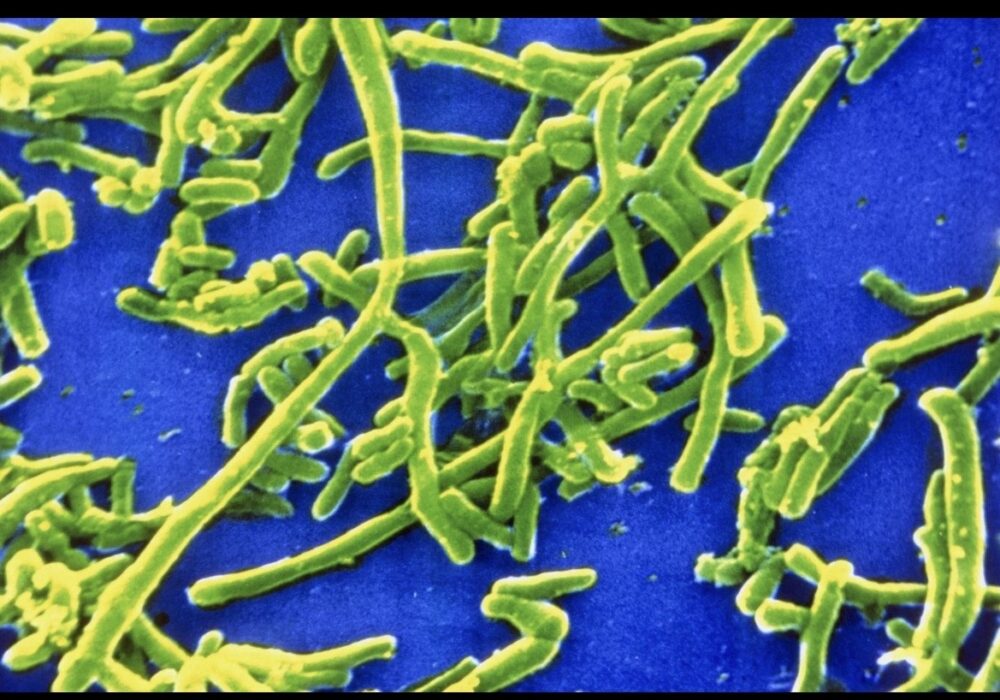
Diphtheria is a serious and potentially fatal bacterial infection caused by toxin-producing strains of Corynebacterium diphtheriae.
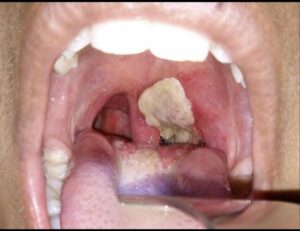
The disease mainly affects the nose and throat and can produce a thick greyish or whitish membrane in the throat, which can obstruct breathing.
The World Health Organisation describes diphtheria as a contagious disease that can spread from person to person, particularly through respiratory droplets produced when an infected person coughs or sneezes. Some infected people may show no obvious symptoms but can still transmit the bacteria.
How is diphtheria contracted?
Diphtheria is primarily transmitted through respiratory droplets when an infected person coughs or sneezes.
It can also spread through close contact with an infected person or contaminated materials.
People who have not been adequately vaccinated are particularly vulnerable to infection and severe disease.
The disease is vaccine-preventable, with vaccination remaining the most effective protection against diphtheria.
How does diphtheria present?
Early symptoms may resemble an ordinary throat infection.
They include:
* Sore throat
* Fever
* Weakness and tiredness
* Swollen glands in the neck
* Difficulty swallowing
* Difficulty breathing
* Neck swelling
* A thick greyish or whitish membrane in the throat, tonsils or nose
In severe cases, the toxin produced by the bacteria can damage the heart, nerves and other organs, while airway obstruction can result in death.
What should be done immediately when infection is suspected?
Health authorities advise that anyone presenting with symptoms suggestive of diphtheria should be taken to a health facility immediately.
Patients suspected of having the disease should be assessed, isolated where necessary and promptly treated.
Close contacts may also require monitoring, testing, preventive antibiotics and vaccination, depending on the circumstances.
The NCDC response plan emphasises early case detection, linkage to health facilities, isolation and prompt treatment.
Because severe disease can progress rapidly, suspected cases should not be managed solely at home or through traditional remedies.
How can diphtheria be prevented?
Vaccination remains the most important preventive measure.
Parents and caregivers are encouraged to ensure that children receive all recommended doses of vaccines containing diphtheria toxoid.
The NCDC has also been conducting reactive vaccination campaigns in affected states and called for intensified routine immunisation across the country.
Other preventive measures include:
* Early reporting of suspected cases
* Prompt isolation and treatment of infected persons
* Contact tracing
* Monitoring of close contacts
* Maintaining good respiratory hygiene
* Avoiding close contact with suspected or confirmed cases
* Strengthening routine childhood immunisation.
Which states have been worst hit?
According to the NCDC’s cumulative surveillance data, Kano has recorded the highest number of confirmed cases, followed by Borno, Bauchi, Yobe and Katsina.
The NCDC reported:
* Kano – 24,687 confirmed cases
* Borno – 5,077
* Bauchi – 4,139
* Yobe – 3,159
* Katsina – 2,589
Together, these states accounted for 99.1 per cent of the confirmed cases recorded in the NCDC’s cumulative dataset.
The World Health Organisation had earlier identified the Federal Capital Territory, Kano, Yobe and Bauchi as among the worst-affected areas during the earlier phase of the outbreak. (WHO | Regional Office for Africa)
Kano: Over 32,000 confirmed cases and 1,800 deaths since 2022
The scale of the crisis is particularly pronounced in Kano.
The Director-General of the Kano State Centre for Disease Control and Prevention, Prof Muhammad Adamu Abbas, said more than 32,000 diphtheria cases had been confirmed in the state since 2022, with more than 1,800 deaths recorded over the period.
He added that more than 16,000 of those confirmed cases involved children who had never received any diphtheria vaccination.
In Rano Local Government Area alone, surveillance data showed 32 diphtheria cases between January and August 26, 2026, with two deaths.
According to the Kano CDC, 94 per cent of the affected patients had never received any form of vaccination, while 91 per cent presented late for treatment.
The figures highlight two major challenges in the fight against the disease: inadequate immunisation and delayed presentation at health facilities.
Katsina: NMA warns of rising pressure on hospitals
Katsina State is also facing a growing outbreak, with diphtheria reported in 29 Local Government Areas.
The Acting Executive Secretary of the Katsina State Primary Health Care Development Agency, Dr Shema’u Kabir, said Funtua had recorded the highest burden, while Kankia, Bakori, Katsina, Mashi and Daura were among other badly affected areas.
The state has launched a reactive vaccination campaign targeting 15 high-risk wards.
Kabir said 67,670 eligible people had received Td vaccines, while 24,103 children received pentavalent vaccines within the first three days of the campaign.
She added that the state had secured an additional 650,000 doses of diphtheria-containing vaccines for high-risk communities.
Three additional isolation centres have also been established to complement the NCDC-supported facility at the Federal Teaching Hospital, Katsina.
However, Kabir identified suboptimal vaccination uptake, delayed hospital presentation and the state’s porous border with Niger Republic as challenges to the response.
NMA: ‘20 to 30 per cent of patients may die without timely treatment’
The Nigerian Medical Association in Katsina State also raised concerns about pressure on the Federal Teaching Hospital, Katsina, where between 70 and 80 per cent of the isolation centre is occupied by diphtheria patients.
The state NMA chairman and consultant in infectious diseases and tropical medicine, Dr Mohammed Abubakar, said the hospital was admitting an average of 20 to 25 diphtheria patients at a time, while new admissions could reach 50 in a week.
He said more than 80 per cent of affected patients were children, with those aged between three and seven constituting the largest group.
Abubakar attributed the increase to gaps in routine immunisation, delayed presentation, inadequate isolation facilities and shortages of critical medicines, particularly diphtheria antitoxin.
He warned that “mortality could reach between 20 and 30 per cent among patients who do not receive timely treatment.”
He also called for the establishment of at least three to five functional isolation centres across Katsina State to ease pressure on the Federal Teaching Hospital.
What are health authorities saying?
The NCDC has continued to coordinate the national response through surveillance, laboratory testing, case management, vaccination, risk communication and logistics support.
Its latest available situation report listed challenges including delays or failure by some states to report data, shortages of intravenous erythromycin, inadequate case managers, and limited supplies of laboratory consumables and reagents.
The agency has recommended early case detection, prompt referral and treatment, reactive vaccination in affected states and LGAs, intensified routine immunisation and sustained supplies of diphtheria antitoxin, erythromycin and laboratory materials.
The WHO has similarly warned that the resurgence of diphtheria across Africa reflects weaknesses in immunisation coverage and primary healthcare systems.
What is limiting the fight against diphtheria?
Several factors continue to undermine Nigeria’s response.
Low vaccination coverage
Only 14.3 per cent of the confirmed cases in the NCDC’s cumulative dataset were fully vaccinated.
This means a large proportion of people who developed confirmed diphtheria had either not been vaccinated or had incomplete vaccination.
Delayed hospital presentation
Health officials in Katsina and Kano have identified late presentation as a major contributor to severe disease and deaths.
In Rano, Kano State, 91 per cent of affected patients reportedly presented late for treatment.
Shortages of critical medicines
The NCDC has reported shortages of intravenous erythromycin and highlighted the need for regular supplies of diphtheria antitoxin and laboratory consumables.
Limited isolation capacity
Health facilities in affected areas are coming under pressure, with the NMA reporting high occupancy at the Federal Teaching Hospital, Katsina.
Weak surveillance and reporting
The NCDC also identified delays or non-reporting of data by states as a challenge, potentially affecting the speed and accuracy of outbreak response.
Community practices and misinformation
Investigations by the Kano State Centre for Disease Control (KNCDC) highlight that this specific form of misinformation and delayed medical presentation significantly drives up mortality rates during outbreaks. One recovered child had reportedly had a pseudomembrane removed by a traditional healer, highlighting the dangers of delayed presentation and reliance on non-medical interventions for a potentially fatal infection.
How many people have died from diphtheria in Nigeria?
The NCDC’s cumulative situation report covering epidemiological week 19 of 2022 to week three of 2026 recorded 2,151 deaths among 40,460 confirmed cases, representing a case fatality ratio of 5.3 per cent.
The Nigerian Medical Association has also continued to raise concerns about mortality, particularly in affected states.
What have states done to contain the outbreak?
Affected states have adopted a combination of emergency vaccination, surveillance, contact tracing, isolation and treatment.
In Katsina, the government has launched reactive vaccination in high-risk wards, secured 650,000 additional doses of diphtheria-containing vaccines, established three additional isolation centres and deployed medicines and infection-control supplies. It is also conducting active case searches, contact tracing, chemoprophylaxis and enhanced surveillance.
In Kano, authorities have intensified active case searches, contact tracing, specimen collection, immunisation and community surveillance following investigations into reported deaths in Rano.
The state’s response also involved field investigations, reviews of health facility records, verbal autopsies and engagement with traditional, religious and community leaders.
At the national level, the NCDC says its response includes weekly Diphtheria Emergency Operations Centre meetings, laboratory testing, treatment-centre engagement, reactive vaccination, risk communication, logistics support and coordination with affected states.
Health experts say Nigeria’s ability to control diphtheria will depend largely on closing immunity gaps, detecting cases early and ensuring that patients have rapid access to appropriate treatment.
The latest outbreak figures suggest that vaccination remains the most critical line of defence, particularly among children.
For parents and caregivers, health authorities advise ensuring that children are fully vaccinated and seeking immediate medical attention if they develop symptoms such as fever, sore throat, difficulty swallowing or breathing, neck swelling or a greyish membrane in the throat.
With diphtheria being preventable through vaccination, health authorities are urging Nigerians not to wait for an outbreak to reach their communities before taking preventive action.
We’ve got the edge. Get real-time reports, breaking scoops, and exclusive angles delivered straight to your phone. Don’t settle for stale news. Join LEADERSHIP NEWS on WhatsApp for 24/7 updates →
Join Our WhatsApp Channel