
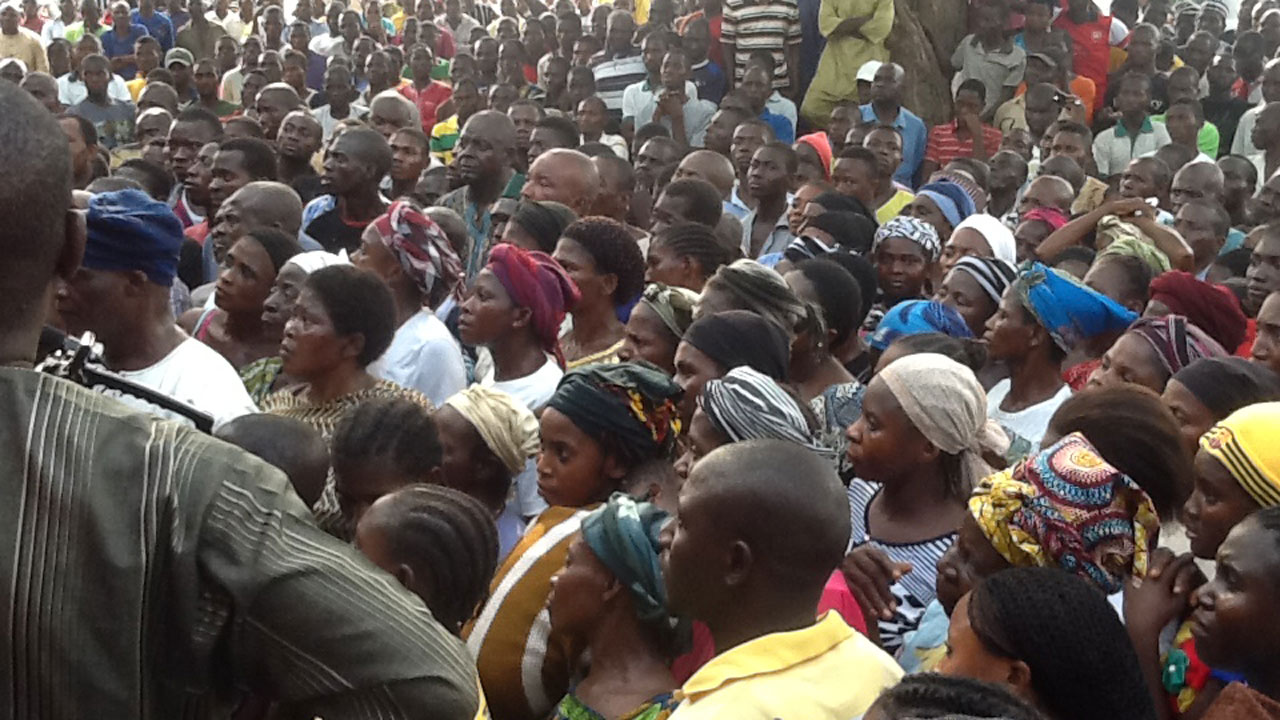
Internally Displaced Persons (IDPs) living at the Durumi Area 1 camp in Abuja have lamented the looming social and security crisis.
This is as Heartland People’s Development Initiative (HPDI) uncovered what residents described as years of government neglect in feeding, healthcare, shelter and education.
They stated this warning during an outreach programme by HPDI, a North Central-based pressure group, which engaged camp residents and leaders on the deepening humanitarian challenges facing displaced persons across the Federal Capital Territory (FCT).
Speaking at the event, coordinator and spokesperson of Abuja-based IDP camps, Idris Halilu, said the situation in the 18 camps spread across the FCT had remained largely unchanged for more than a decade, despite repeated appeals to authorities.
“There are 18 IDP camps in the FCT, and Durumi is the larges.
“We came here over 14 years ago, and the problems are still the same. Feeding, shelter, healthcare and education remain unresolved,” Halilu said.
He said IDPs in Abuja depended almost entirely on individuals and non-governmental organisations for survival, describing government intervention as minimal.
“About 98 per cent of what we eat and wear comes from individuals and NGOs. Some people eat once a day, some twice. That is our reality in 2026,” he said.
Halilu added that poor housing conditions with families living in makeshift shelters built from cement bags and scrap materials, continued to expose residents to disease.
The IDP leader also alleged systematic denial of medical care to displaced persons in Abuja hospitals, including emergency and maternity cases.
“For over seven years now, IDPs have been rejected in hospitals in Abuja. Even pregnant women in labour and accident victims are turned away. This is against medical ethics and basic humanity,” Halilu said.
He warned that the continued exclusion of IDPs from healthcare could worsen mortality and deepen resentment among displaced populations.
Halilu expressed concern over the lack of organised education in the camp, noting that most children were either out of school or learning in overcrowded, poorly structured classrooms.
He called for an urgent, coordinated intervention involving the Federal Ministry of Education, the FCT education authorities and the Universal Basic Education Commission, stressing that school feeding must form part of any sustainable solution.
Responding, Engineer Alhassan Isa, the president of HPDI, said the organisation’s visit confirmed long-standing concerns about conditions in IDP camps and reinforced the need for structured, accountable interventions.
He said HPDI was not seeking confrontation with government but would work with public institutions, the private sector and civil society to close critical gaps.
Also speaking, Liyatu Ayuba, women leader of the Durumi IDP camp and coordinator of women leaders across the FCT camps, said women and children bore the brunt of the neglect.
We’ve got the edge. Get real-time reports, breaking scoops, and exclusive angles delivered straight to your phone. Don’t settle for stale news. Join LEADERSHIP NEWS on WhatsApp for 24/7 updates →
Join Our WhatsApp Channel