The Bureau of Public Procurement (BPP) says the implementation of the federal government’s affirmative procurement policy will commence with the 2026 budget cycle.
The director-general of BPP, Dr Adebowale Adedokun, disclosed this at a stakeholder engagement workshop in Abuja organised in collaboration with the International Trade Centre, UN Women and the United Kingdom’s Foreign, Commonwealth & Development Office.
Adedokun said the policy, which seeks to expand procurement opportunities for women-owned businesses, youths, startups and persons with disabilities, aligns with President Bola Ahmed Tinubu’s inclusiveness agenda.
According to him, public procurement is being deployed as a strategic tool to address long-standing exclusion of vulnerable and underrepresented groups in government contracting.
He stated that the 2026 budget would mark the beginning of phased implementation across ministries, departments and agencies, adding that procurement officers would be required to redesign procurement plans and bidding documents to reflect the new policy direction.
“We have started implementation. As the 2026 budget comes to life, gradual implementation will begin. It will be phased. We will learn, unlearn and relearn as we proceed,” he said.
The BPP boss noted that the objective of the reform is not only to promote gender and youth inclusion but also to reduce youth restiveness, tackle insecurity and stimulate economic participation by providing deliberate access to government contracts.
He explained that the Public Procurement Act already provides the legal backing for such measures, stressing that the bureau’s role is to develop guidelines and frameworks to actualise the administration’s vision.
On concerns about possible abuse of preferential procurement measures, Adedokun acknowledged that infractions may occur but assured that sanction mechanisms would be enforced.
“There will be abuses. But BPP has the legal and moral authority to recommend prosecution of violators. Stakeholders must report infractions, and we will act,” he said.
He added that the Bureau would leverage technology, strengthen monitoring systems and intensify capacity-building to ensure transparency and accountability in the process.
Adedokun emphasised that the reform is not a one-off initiative but a long-term national direction aimed at aligning Nigeria with global best practices in inclusive governance.
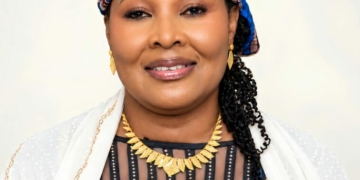
Earlier, the national coordinating officer of the International Trade Centre in Nigeria, Natasha Akioye, said the workshop builds on engagements that began in 2021 and culminated in the development of the National Policy on Affirmative Procurement.
She explained that the policy introduces targeted measures to dismantle systemic barriers limiting participation of women-led and other disadvantaged businesses in public procurement.
Akioye noted that as the policy moves towards approval, the focus has shifted from design to implementation, with emphasis on equipping procurement officers with practical tools and monitoring frameworks.
She described inclusive public procurement as both a fairness imperative and a smart economic strategy capable of driving competition, innovation and broad-based growth.
We’ve got the edge. Get real-time reports, breaking scoops, and exclusive angles delivered straight to your phone. Don’t settle for stale news. Join LEADERSHIP NEWS on WhatsApp for 24/7 updates →
Join Our WhatsApp Channel