…Call for new financing strategy for Africa
Africa received $70 billion in foreign direct investment in 2025, representing less than five per cent of the estimated $1.7 trillion in global Foreign direct investment (FDI).
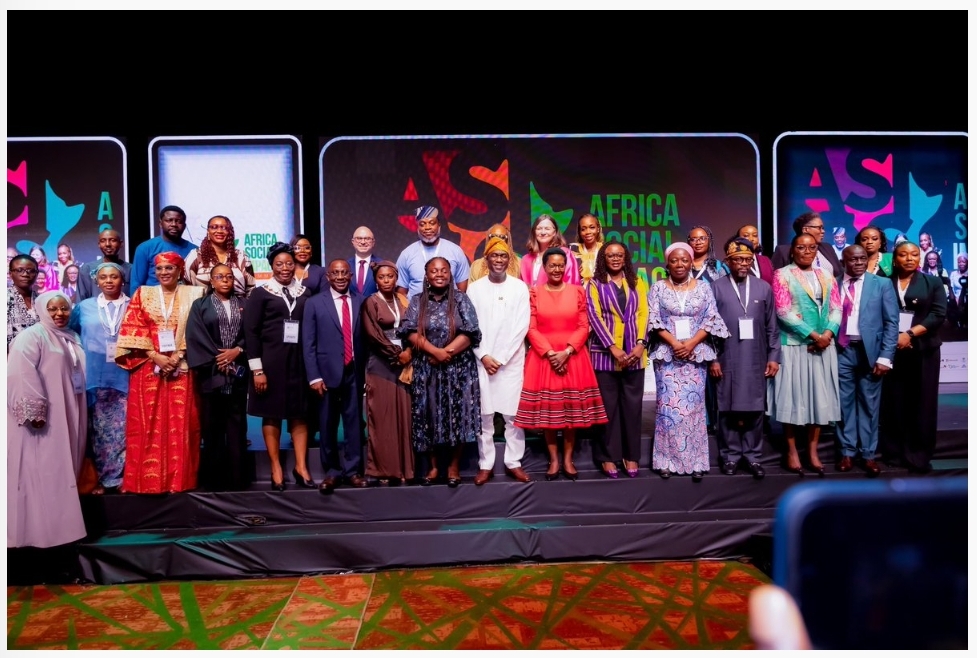
Stakeholders stated this at the Africa Social Impact Summit (ASIS) 2026 held in Lagos, where they noted that the continent’s development ambitions will depend on a fundamental shift in financing strategy.
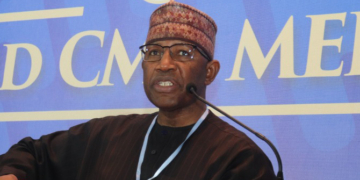
The alternate executive director at the International Monetary Fund (IMF), Dr Paul Olowookere attributed Africa’s limited share of global investment to both structural and macroeconomic challenges.
He noted that while Africa accounts for nearly 20 per cent of the world’s population, it contributes less than five per cent of global gross domestic product, a factor that directly influences investor appetite.
“There is a lot of capital around the world looking for opportunities. Africa must make itself attractive enough while also mobilising domestic capital that can crowd in international investment,” Olowookere said during a panel session titled ‘Financing for Development: Africa Capital Allocation Thesis 2035’.
He said stronger economic growth, improved information disclosure, better sovereign credit ratings, stable inflation, predictable exchange rates, and transparent data systems would help reduce the investment risk associated with many African economies.
The vice president for Africa at Rockefeller Philanthropy Advisors, Henrietta Bankole-Olushina, argued that Africa possesses substantial domestic financial resources but has yet to deploy them strategically.
She said philanthropic capital should be used as first-loss funding to reduce investment risks and encourage greater participation from private investors.
“There is capital in Africa. The issue is not a shortage of money but how we deploy it and how we layer different forms of capital to unlock larger pools of investment,” she said.
She cited microfinance and digital financial services as examples where early philanthropic funding of research and pilots helped prove commercial viability.
The head of the Nigeria Infrastructure Fund at the Nigeria Sovereign Investment Authority (NSIA), Pius Anyiador, identified foreign exchange volatility, weak risk pricing, and concerns over contract enforcement as major constraints to attracting long-term investment.
He said many international investors continue to insist on foreign legal frameworks for investment agreements due to concerns about judicial certainty in several African jurisdictions.
Anyiador also flagged low revenue mobilisation, noting that tax revenue in several African countries remains below 10 per cent of GDP.
He stated that this has led to heavy domestic debt issuance that limits capital available for private-sector lending.
He recommended raising the ratio toward 15 per cent of GDP to strengthen government finances and free up pension funds and institutional investors for productive private-sector investments.
Panellists concluded that financing Africa’s infrastructure, energy transition, digital economy, healthcare, and industrialisation agenda will require coordinated participation through blended finance arrangements involving governments, institutional investors, philanthropic organisations and international financiers.
They urged governments to deepen domestic capital markets by mobilising long-term funding from pension funds, sovereign wealth funds, family offices, and philanthropic organisations to complement international investment.
The ASIS 2026 summit brought together development finance leaders in Lagos to discuss strategies for closing Africa’s financing gap ahead of 2035.
We’ve got the edge. Get real-time reports, breaking scoops, and exclusive angles delivered straight to your phone. Don’t settle for stale news. Join LEADERSHIP NEWS on WhatsApp for 24/7 updates →
Join Our WhatsApp Channel