Africa’s growing population and expanding industrial base have intensified demand for reliable energy, exposing the continent’s long-standing dependence on imported refined petroleum products despite its abundant crude oil reserves. While Africa produces about seven per cent of the world’s crude oil, inadequate refining infrastructure has left many economies vulnerable to global price shocks, supply disruptions and foreign exchange pressures.
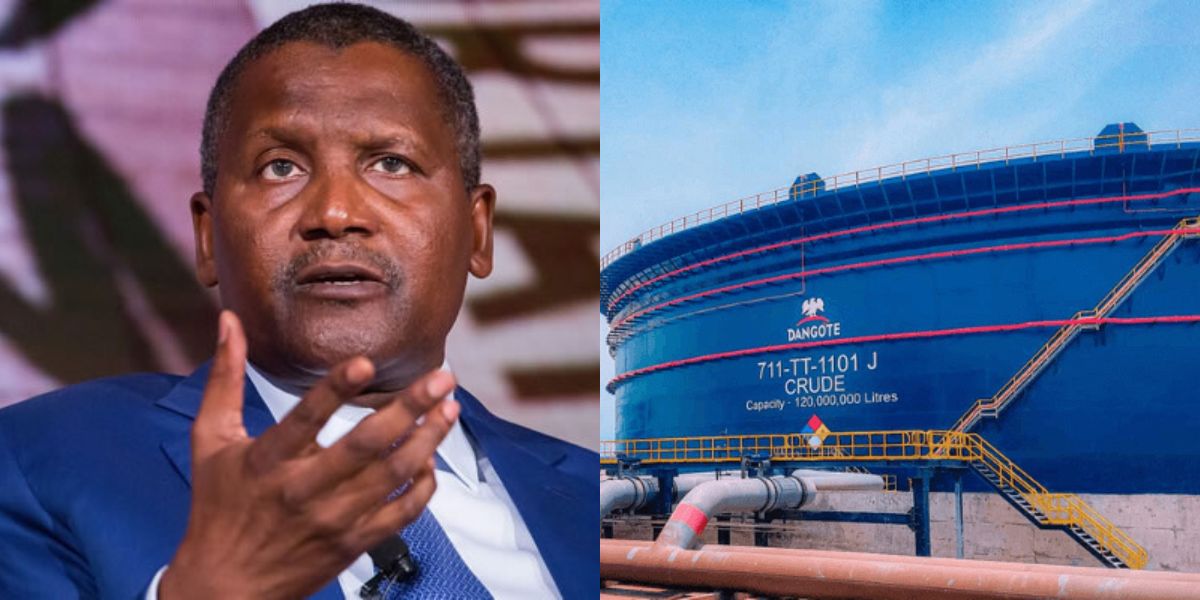
To address these challenges, governments and private investors are increasingly prioritising domestic refining as a pathway to energy security, industrialisation and regional trade. At the forefront of this shift is Dangote Industries Limited, which is implementing an ambitious pan-African refining expansion aimed at transforming the continent’s downstream petroleum sector.
The company plans to invest about $46 billion between 2026 and 2028 across its refining, cement and fertiliser businesses, with the goal of increasing its combined refining capacity to 2.1 million barrels per day. This includes expanding the Dangote Petroleum Refinery in Lagos to 1.4 million barrels per day while developing a new 700,000-barrel-per-day refinery in Kenya to serve East African markets.
The Kenyan project, estimated to cost about $17 billion, has progressed beyond the planning stage. Site selection has been completed, soil testing is underway and engineering work has commenced. The refinery, expected to be located in Lamu, will significantly reduce East Africa’s dependence on imported fuels while strengthening regional energy security and supporting trade under the African Continental Free Trade Area.
Dangote is also extending its footprint into Central Africa through discussions with the Société Nationale des Pétroles du Congo on a strategic partnership covering refined petroleum supply, energy cooperation and technical collaboration. The initiative reflects growing recognition across the continent that stronger regional partnerships are essential for achieving sustainable energy independence.
The commissioning of the Dangote Refinery in Nigeria has already begun reversing Africa’s long-standing reliance on imported refined products. By boosting domestic fuel production, the refinery has improved supply stability, reduced import dependence and encouraged similar investments across the continent. Countries such as Uganda and Mozambique are also pursuing refinery projects to strengthen their downstream sectors.
According to the African Petroleum Producers’ Organisation, Africa exports about three-quarters of the crude oil it produces while importing roughly 70 per cent of the refined products it consumes. Expanding local refining capacity is expected to retain more value within African economies, conserve foreign exchange, create jobs and reduce exposure to global market volatility.
As Dangote advances its continental refining strategy, industry stakeholders see the investments as a significant step towards reshaping Africa’s energy landscape, accelerating industrial growth and building a more resilient and self-sufficient petroleum industry across the continent.
We’ve got the edge. Get real-time reports, breaking scoops, and exclusive angles delivered straight to your phone. Don’t settle for stale news. Join LEADERSHIP NEWS on WhatsApp for 24/7 updates →
Join Our WhatsApp Channel