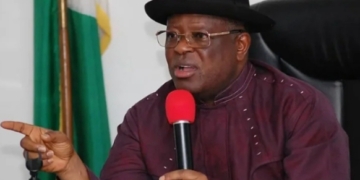

The Chair of the Africa Policy Group at the GSMA, Mr Daddy Mukadi, has called on African governments to urgently reform tax regimes in the telecommunications sector, warning that failure to act could slow efforts to bridge the continent’s widening digital divide.
Chief Regulatory Officer at Airtel Africa made the call while speaking at the maiden edition of the États Généraux du Secteur des Postes et Télécommunications held in Kinshasa, Democratic Republic of the Congo.
The event, attended by President Félix Tshisekedi, was convened to chart a strategic roadmap for the country’s digital and telecommunications sector.
Mukadi stressed that telecommunications should no longer be seen as a support service but as a central driver of economic growth across Africa.
“The telecoms sector can no longer be considered merely as a support sector. It is now a core sector. Both are vital, and every other sector, from security and finance to transport and health, depends on digital technology for growth,” he said.
His remarks come against the backdrop of data from the GSMA’s Mobile Economy Africa 2025 report, which shows that the mobile sector contributed $220 billion to Africa’s economy in 2024, representing 7.7 per cent of GDP and is projected to rise to $270 billion by 2030.
Mukadi noted that, despite growth in the telecom sector, a significant connectivity gap persists. While mobile networks cover about 95 per cent of the population, nearly 75 per cent of Africans remain offline, largely due to the high cost of internet-enabled devices.
To address this, he proposed targeted fiscal reforms, including temporary tax exemptions on entry-level smartphones and telecommunications infrastructure.
Specifically, Mukadi called for a two-to-three-year waiver on import duties for smartphones priced between $40 and $150, as well as a minimum three-year removal of duties on telecom equipment to support network expansion.
“These measures would help deliver inclusive and sustainable digital technology for economic and social progress. They would also support faster connectivity, improved access and the ability to connect more people, businesses and communities to the digital economy,” he stated.
He further urged governments to align public policy, legal and regulatory frameworks with the realities of a digital economy, noting that collaboration between the public and private sectors would be critical to achieving long-term digital inclusion.
“Government and the private sector must work closely to create a regulatory environment that encourages innovation, protects consumer interests and supports long-term investment,” Mukadi added.
Meanwhile, stakeholders noted that the proposed reforms, if implemented, could significantly reduce access costs and accelerate efforts to connect millions of underserved populations across Africa.
We’ve got the edge. Get real-time reports, breaking scoops, and exclusive angles delivered straight to your phone. Don’t settle for stale news. Join LEADERSHIP NEWS on WhatsApp for 24/7 updates →
Join Our WhatsApp Channel