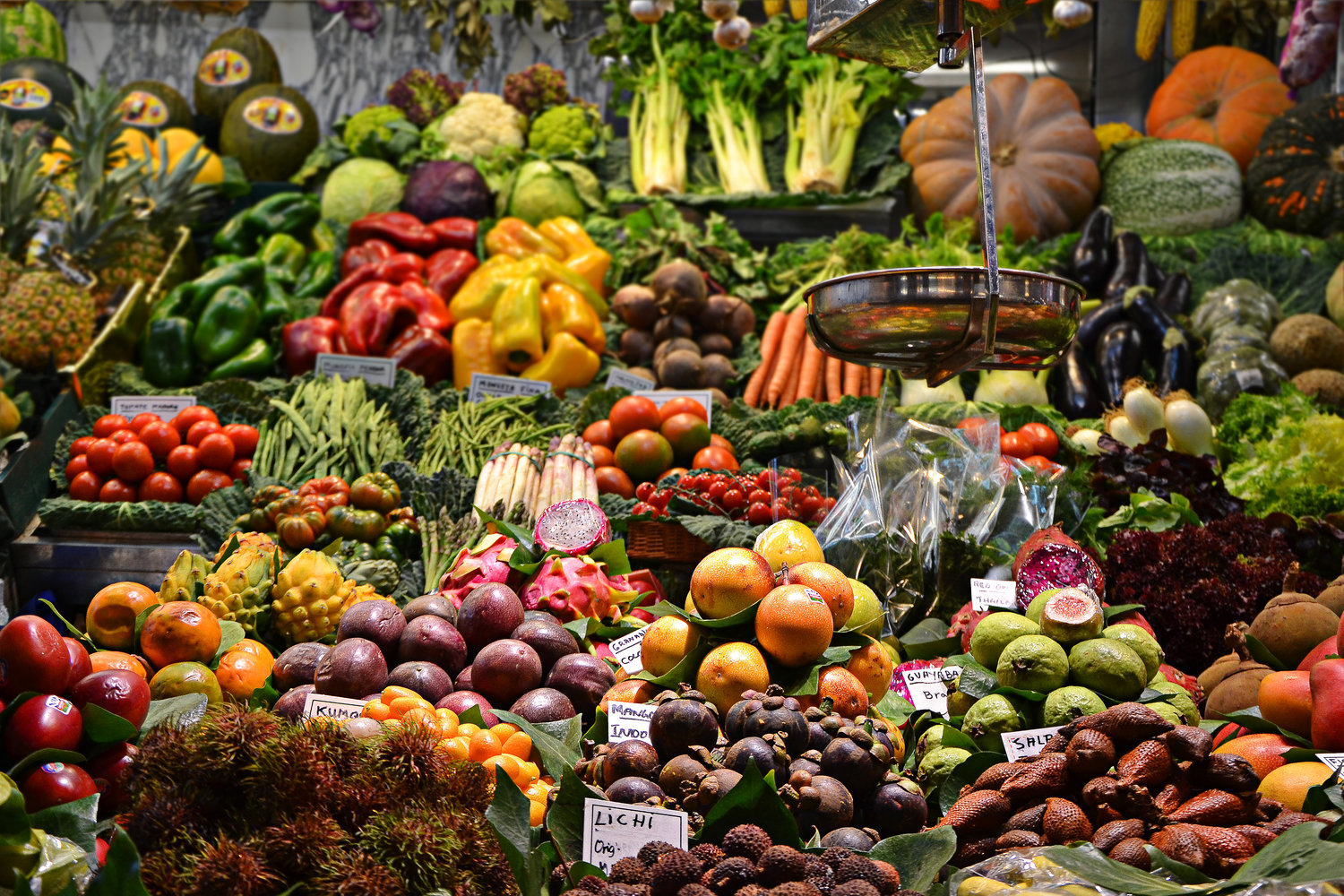
As far back as 1945, the United Nations had recognised food as not a privilege, but a right, and that is why a resolution of the world body fixed a specific date for the observance of World Food Day. It became an annual event on October 16, 1979. It is intended to draw attention to the plight of the hungry.
The day is marked widely by many other organisations concerned about hunger and food security, including the World Food Programme, the World Health Organisation (WHO) and the International Fund for Agricultural Development.
Food is seen as a basic human right, and yet one in nine people globally experience chronic hunger. Living beings, humans in particular, will not be anywhere for long without food.
Projections suggest that 670 million people – eight per cent of the world’s population – will still be facing hunger in 2030.
The same number as when its 2030 Agenda was launched in 2015, and despite the UN- inspired Sustainable Development Goal (SDG) of ‘zero hunger’ by the end of this decade.
For the record, UN defines food security as when a person has “the physical, social and economic access to sufficient, safe and nutritious food that meets their dietary needs and food preferences for an active and healthy life”.
This year’s World Food Day 2023 focuses on the theme, ‘Water is Life, Water is Food. Leave No One Behind’, which aims to highlight the critical role of water for life on earth and water as the foundation of food.
The campaign focus by the Food and Agriculture Organization of the United Nations (FAO), is on taking water action in support of food systems. It also calls for increased water use efficiency in the production of food, animal feed and biofuel, while ensuring water is distributed equally, aquatic food systems safeguarded and nobody is left behind.
It is important to point out that Agriculture accounts for 72 per cent of global freshwater withdrawals.
Rapid population growth, urbanization, economic development, and climate change are putting the planet’s water resources under increasing stress.
Water availability and quality are deteriorating fast due to decades of poor use and management, over extraction of groundwater, pollution and climate change.
In June this year, soon after his inauguration, President Bola Tinubu declared an immediate “State of Emergency” on food insecurity in the country.
The move was seen as part of an aggressive push to boost agricultural productivity and reduce the high prices of major staple foods in Nigeria.
The declaration of state of emergency came amidst experts’ concerns over the continuous decline in the purchasing power of Nigerians, amid poor income and climate change effects on food prices.
Meanwhile, the National Bureau of Statistics (NBS), revealed that the country’s food inflation rate had steepily climbed to 24.82 per cent in May from 24.61 per cent in April.
The situation worsened due to the aftermath of government policies such as the immediate removal of petrol subsidies leading to increased transportation costs, and the move to unify forex rates, among others.
Other major factors identified to be contributing to food insecurity in Nigeria include poverty, climate change, conflict general insecurity, increasing population, poor policy implementation, inefficient agricultural practices, post-harvest losses and low budgetary allocation to agriculture, among others.
In the past decade, the number of people living in extreme poverty in Nigeria has been increasing significantly. In effect, high levels of poverty make it difficult for people to access and afford nutritious food.
Between 2016 and 2022, the population of Nigerian men living in extreme poverty rose from 35.3 million in 2016 to 44.7 million last year just as that of women increased from 34.7 million in 2016 to 43.7 million last year, according to Statista.
While the number of men living on less than $1.90 per day in the country reached around 44.7 million, the count was at 43.7 million for women.
Early this year, the NBS disclosed that an estimated population of 133 million people in Nigeria were living in multidimensional poverty.
Apart from poverty, increased attacks against farmers across parts of the country, is leading to displacement, market disruptions and loss of livelihoods.
Armed groups killed more than 128 farmers and kidnapped 37 others across Nigeria between January and June 2023, according to the Nigerian Security Tracker.
In June, 19 farmers were killed by non-state armed groups in Nigeria’s northern Borno State alone.
Besides poverty and insecurity, harsh weather patterns, droughts, extreme temperatures and floods also impact agricultural productivity and food production not only in Nigeria but also globally.
More than 60 million people in Nigeria do not have access to basic clean water supply. With the current climate scenario, it is predicted that water scarcity will displace between 24 million and 700 million people, by 2030.
Within the past decades, the impact of climate conditions is evident on crop production across the country’s different regions.
Data from Nigeria’s Meteorological Agency (NiMet) indicate that the duration and intensity of rainfall have changed from normal across some states over the years, with devastating impacts on agricultural practices.
Last year, Nigeria witnessed one of its worst floods in the last decade as hundreds of villages and urban centres were submerged, displacing over 2.4 million people while expansive hectares of farmlands were also destroyed, with ripple effects on the country’s state of food availability, affordability and safety.
In our opinion, sustainable, efficient and equitable water resources management is essential for the future of food, people, and the planet. We can all start by taking action in our personal lives, by choosing local, seasonal, and fresh foods, and reducing food waste.
Just like the FAO, now is the time, in our opinion for governments to re-evaluate their support to food and agriculture.
It is pertinent, in our view, that governments design science and evidence-based policies that capitalize on data, innovation and cross-sectoral coordination to better plan and manage water.
It is even more imperative that the authorities support these policies with increased investment, legislation, technologies and capacity development, while incentivizing farmers and the private sector to engage in integrated solutions for a more efficient use of water, and for its conservation.
We’ve got the edge. Get real-time reports, breaking scoops, and exclusive angles delivered straight to your phone. Don’t settle for stale news. Join LEADERSHIP NEWS on WhatsApp for 24/7 updates →
Join Our WhatsApp Channel