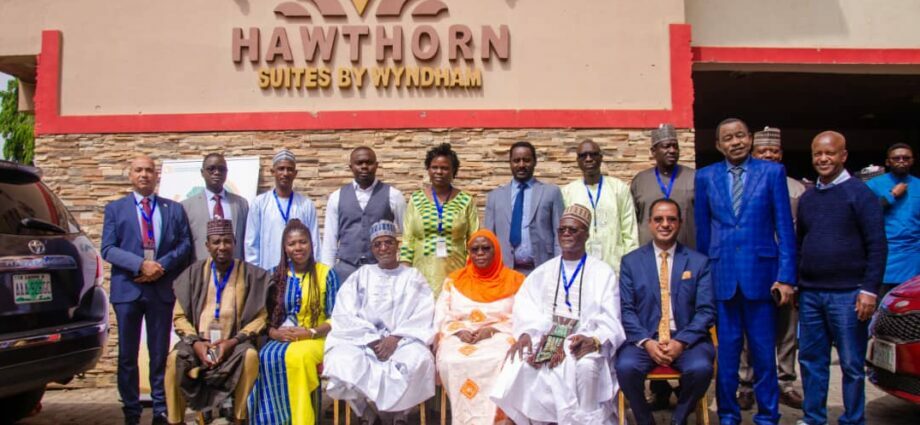
The African Union Inter-African Bureau for Animal Resources (AU-IBAR) and the federal government have called for deeper regional cooperation to strengthen market-linked pastoral mobility systems across West Africa.
The call was delivered at the continental learning forum on market-linked transhumance models in Abuja yesterday where stakeholders agreed that regulated livestock movement remains central to economic integration, peacebuilding and food security in the region.
AU-IBAR director Dr Huyam Salih, said transforming pastoral corridors into economic corridors requires coordinated investments, cross-border animal-health systems and predictable rules that support both pastoralists and private-sector operators.
Represented by the Policy Pillar Lead for African Pastoral Markets Development (APMD), Prof. Ahmed Elbeltagy, he noted that while ECOWAS has one of Africa’s most progressive transhumance frameworks but implementation remains uneven due to insecurity, fragmented policies and weak infrastructure.
Elbeltagy said work over the three-day forum will focus on reviewing implementation progress, documenting best practices and developing the 2026–2028 Market-Linked Transhumance Roadmap.
“Transforming pastoral corridors into economic corridors, where livestock movement is safe, where disease-control systems operate across borders, where information flows efficiently, and where pastoralists and private-sector actors both benefit from predictable rules and functioning markets.
“The theme of this Forum reflects the evolving needs and realities of pastoral systems across Africa. We have a unique opportunity to draw from evidence, to learn from each other, and to build a roadmap that truly reflects the aspirations of the regions we serve,” Elbeltagy said.
In his remarks minister of livestock development, Idi Mukhtar Maiha, said the country is repositioning its livestock sector with plans to expand productivity through stronger veterinary systems, improved breeds and greater private-sector participation.
Maiha said development partners, including AU-IBAR, have played key roles in strengthening national and regional interventions.
The minister assured delegates that Nigeria is ready to collaborate with countries across West and Central Africa to build systems that are scientifically sound, economically viable and socially inclusive.
“As we adopt more market-responsive mobility systems, there is the need to anticipate emerging risks and embed mitigation measures into our policies from the outset.
Nigeria is prepared to learn, collaborate and team up with sister countries in West and Central Africa for shared growth and prosperity.
Together, we can shape a West Africa where pastoral mobility strengthens markets, where veterinary systems protect livelihoods, and where livestock development contributes to national and continental growth,” Maiha said.
We’ve got the edge. Get real-time reports, breaking scoops, and exclusive angles delivered straight to your phone. Don’t settle for stale news. Join LEADERSHIP NEWS on WhatsApp for 24/7 updates →
Join Our WhatsApp Channel