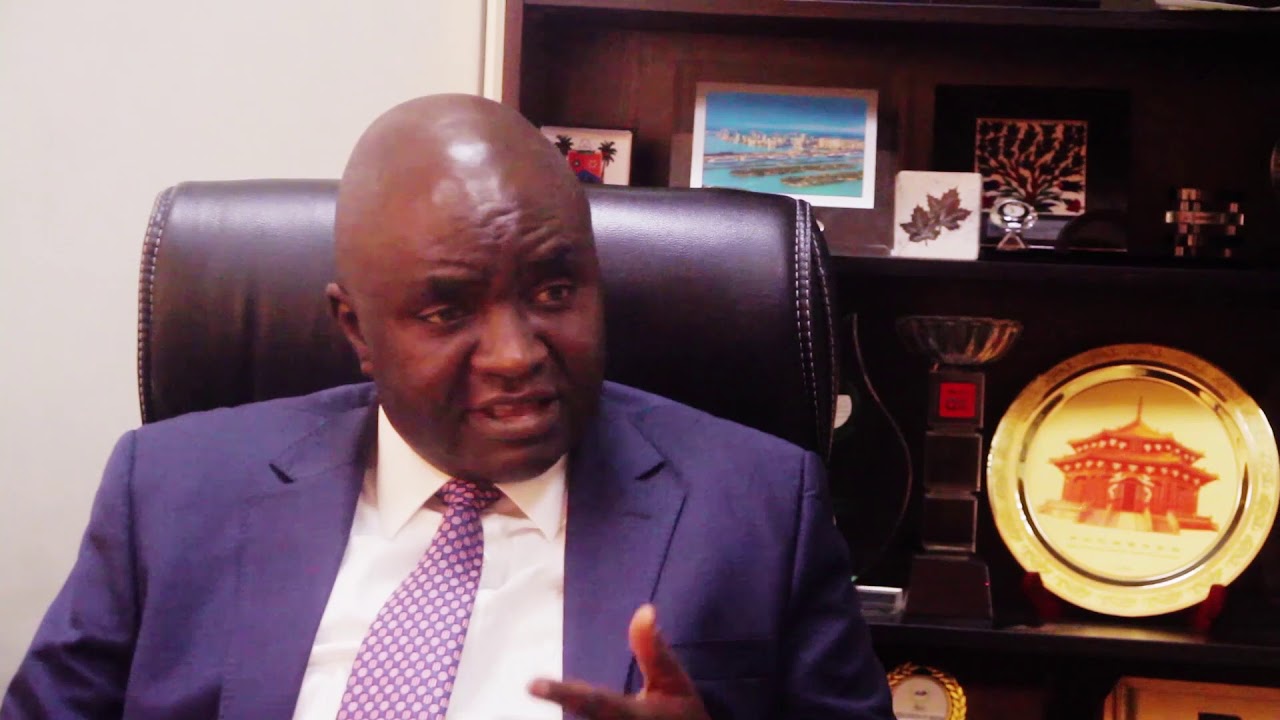
With the deadline for banking sector recapitalisation expiring tomorrow, the Promotion of Private Enterprise (CPPE), has said the success of the reform will be determined by the banking system’s ability to support economic transformation, rather than just strengthening balance sheets.
The Director of the CPPE, Dr Muda Yusuf, urged Nigeria’s recapitalised banks to ramp up private-sector credit to at least 30 per cent of GDP in the medium term, warning that balance-sheet strength alone won’t drive growth.
In a position paper titled ‘Bank Recapitalisation: Strong Progress, But Urgent Need to Reconnect Banks to the Real Economy’, Yusuf while hailing the smooth recapitalisation process, highlighted that private sector credit lingers in Nigeria lingers at 17 per cent of GDP (2025 data), trailing sub-Saharan Africa’s 25 per cent; South Africa’s 57.5 per cent, and Mauritius’s 69.8 per cent. He noted that Consumer credit is just 7 per cent of total loans, compared to a regional average of 15-25 per cent, stifling demand.
As of March 27, 2026, 32 banks met new capital requirements without depositor losses, mergers, or job cuts – a win for financial stability.
“This indicates an ongoing structural disconnect between the financial sector and the productive aspects of the economy. Consumer credit remains particularly low, accounting for just about seven per cent of total credit, compared to the 15 per cent to 25 per cent average observed in sub-Saharan Africa. This limitation hampers domestic demand and constrains growth across various sectors.”
Yusuf raised concerns about the financing of small and medium enterprises (SMEs), which receive only about one per cent of total bank credit despite their pivotal role in contributing roughly 50 per cent to GDP and over 80 per cent to employment, adding that the estimated financing gap for SMEs stands at around N48 trillion, highlighting a critical area of opportunity for enhancing Nigeria’s financial architecture.
He further noted the need for a shift towards longer-term lending, as current credit distribution shows that about 55 per cent of lending is short-term, which does not align with the financing needs of vital sectors such as manufacturing, agriculture, infrastructure, and real estate.
He noted that the distribution of credit remains skewed, with the services sector receiving about 55 per cent of total credit, while manufacturing and agriculture lag far behind.
With recapitalisation efforts well underway, Yusuf advised that it is now essential for the Central Bank of Nigeria and the fiscal authorities to focus on reconnecting the banking system to the real economy.
“This next phase should involve strategic policy measures aimed at increasing private sector credit to at least 30 per cent of GDP in the medium term, de-risking SME lending through credit guarantees, enhancing monetary policy transmission, incentivising long-term financing, promoting balanced sectoral credit allocation, expanding access to consumer credit, and addressing the impacts of public sector borrowing on private sector financing.
“By taking these proactive steps, Nigeria can create a banking environment that not only supports financial stability but also drives sustainable economic growth and diversification,” he emphasised.
We’ve got the edge. Get real-time reports, breaking scoops, and exclusive angles delivered straight to your phone. Don’t settle for stale news. Join LEADERSHIP NEWS on WhatsApp for 24/7 updates →
Join Our WhatsApp Channel