
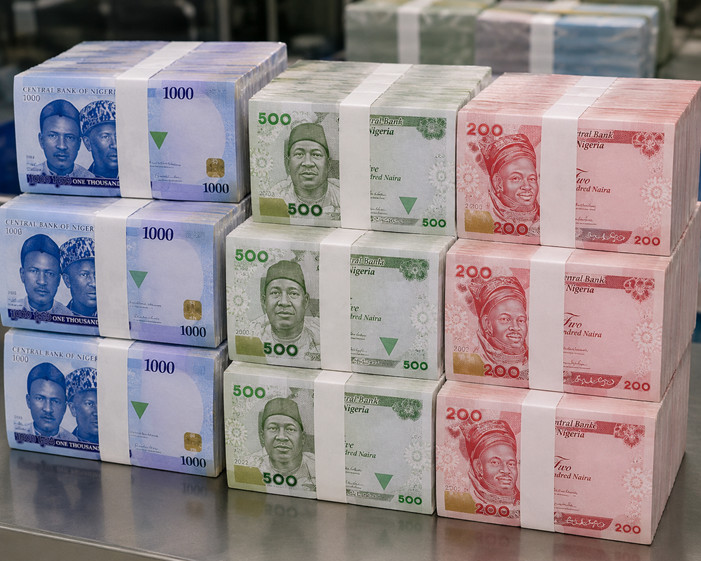
Nigerian banks increased the volume of funds deposited with the Central Bank of Nigeria (CBN) in 2025, as improved liquidity across the financial system reduced their reliance on the apex bank for short term funding.
According to data contained in the CBN’s 2025 Annual Report, the average daily placements by Deposit Money Banks (DMBs) into the Standing Deposit Facility (SDF) surged almost ninefold to N1.36 trillion across 247 transaction days in 2025, from N153.87 billion over 248 transaction days recorded in 2024.
The sharp increase in banks’ deposits with the apex bank translated into a corresponding rise in interest earned, with the CBN paying an average of N1.36 billion daily on the placements in 2025, compared with N150 million in the previous year.
At the same time, commercial banks’ dependence on the CBN’s Standing Lending Facility (SLF), which provides short term liquidity support to eligible banks, declined markedly during the review period.
According to the report, average daily requests through the lending window, including conversions from the Intraday Liquidity Facility, fell to N426.90 billion across 162 transaction days in 2025, compared with N541.13 billion over 240 transaction days in 2024.
The reduction in borrowing also led to lower interest payments by banks, as the average daily interest charged on the lending facility declined to N550 million from N660 million in 2024.
Explaining the trend, the CBN attributed the shift to stronger liquidity conditions in the interbank market, which encouraged banks to place excess funds with the apex bank rather than seek liquidity support.
The report noted that ongoing market reforms and increased confidence in the financial system contributed to a more stable liquidity environment, particularly in the second half of 2025, easing funding pressures across the banking sector.
It stated that the improved market conditions also influenced the conduct of liquidity management operations during the year.
Although Open Market Operations (OMO) remained the apex bank’s principal liquidity management tool, total OMO bill issuances declined by 18.58 per cent to N40.90 trillion in 2025 from N50.23 trillion in 2024.
The CBN said the lower volume of OMO issuances reflected improved system liquidity and adjustments to its liquidity management strategy. The report further showed that money market rates moderated during the year in line with the improved liquidity conditions.
Specifically, the Open Repos Rate declined to 22.50 per cent from 27.30 per cent in 2024, while the Nigerian Interbank Offered Rate for both call and 30 day tenors also trended lower, reflecting reduced funding pressures and a moderation in inflationary conditions.
The liquidity improvements coincided with a gradual shift in the apex bank’s monetary policy stance. Following an extended period of aggressive monetary tightening, the Monetary Policy Committee reduced the Monetary Policy Rate by 50 basis points to 27.00 per cent in September 2025.
The CBN also lowered the Cash Reserve Ratio for commercial banks to 45 per cent while introducing a 75 per cent CRR on non Treasury Single Account public sector deposits as part of measures aimed at maintaining price stability and ensuring orderly liquidity conditions within the financial system.
We’ve got the edge. Get real-time reports, breaking scoops, and exclusive angles delivered straight to your phone. Don’t settle for stale news. Join LEADERSHIP NEWS on WhatsApp for 24/7 updates →
Join Our WhatsApp Channel