By OLUSHOLA BELLO & KINGSLEY OKOH, Lagos
The sharp increase in cement prices is deepening concerns among real estate developers, who warn that the rising cost of the critical building material could further worsen Nigeria’s housing crisis as the Federal Competition and Consumer Protection Commission (FCCPC) probes pricing in the industry.
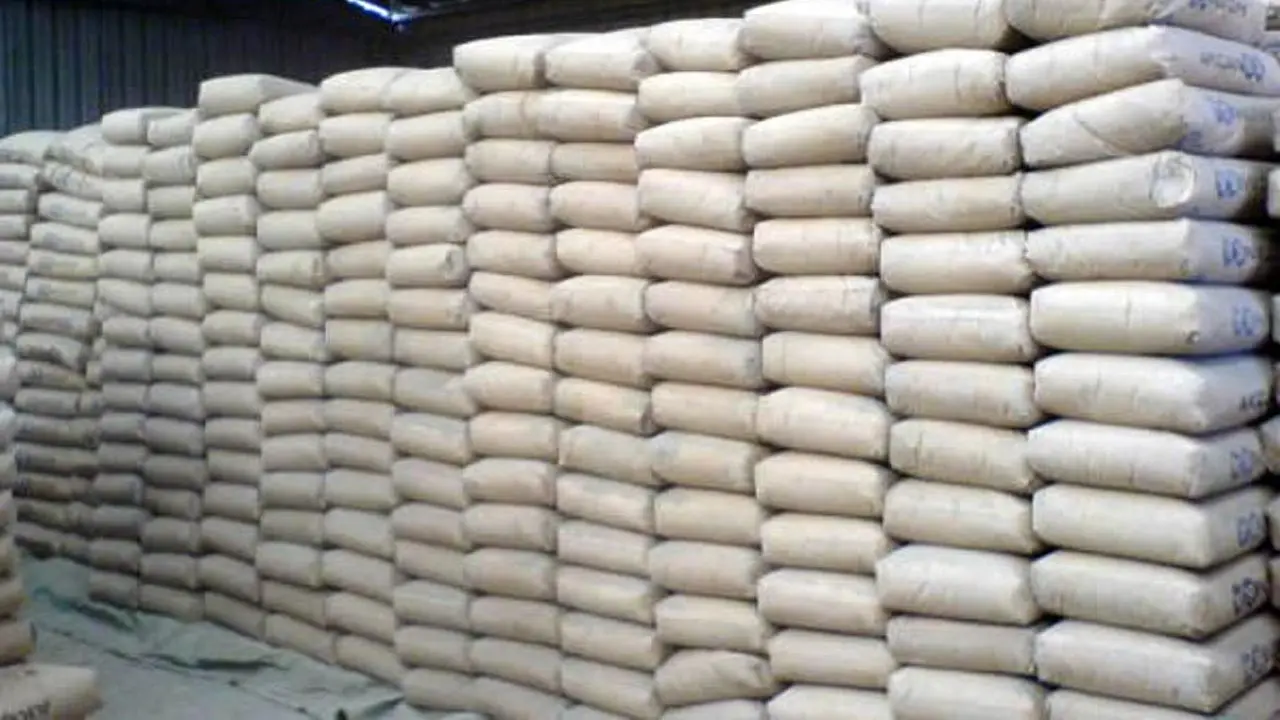
Market checks show that the price of a 50kg bag of cement, which sold for between N9,300 and N9,700 in January 2026, had risen to as much as N15,000 in some locations by July.
For developers already battling high interest rates, rising energy costs, expensive building materials and weak consumer purchasing power, the increase has significantly added to construction costs, squeezed profit margins and made the delivery of affordable housing more difficult.
The managing director of Legendary Foreshore Construction, Mr Victor Ameh, said the industry was grappling with volatile operating costs, noting that cement prices ranging from N13,500 to N15,000 were making construction increasingly difficult.
He said many developers depended on bank financing, making the increase in building material costs particularly burdensome amid high borrowing costs.
Ameh called for increased investment across the cement value chain, as well as measures to reduce electricity and fuel costs, which he said would help lower production costs and support growth in the construction industry.
Similarly, the chairman of the Association of Capital Market and Valuers, Mr Chudi Ubosi, said increased investment and the entry of more players into cement production could help moderate prices. According to him, Nigeria’s vast limestone deposits present opportunities for increased investment and competition in the cement industry.
Ubosi warned that the rising cost of cement was producing ripple effects across the economy, with implications for manufacturing, real estate, commerce and hospitality.
“Nigerians can no longer afford decent homes due to the rent crisis,” he said.
The concerns of developers come against the backdrop of the FCCPC’s investigation into the disparity between cement prices in Nigeria and those in some other African markets.
However, industry stakeholders have urged the commission to adopt a broader approach in determining the factors responsible for the price differences.
The interim chairman and president of the Pan-African Manufacturers Association (PAMA), Engr Mansur Ahmed, said cement prices should not be assessed in isolation from the wider economic environment.
He said factors, including the cost of funds, infrastructure deficits and other economic variables, needed to be considered when assessing the industry’s competitiveness.
The director-general of the Centre for the Promotion of Private Enterprise (CPPE), Dr Muda Yusuf, also called for a comprehensive analysis of the cost structure facing cement producers.
Yusuf said taxes, levies, logistics, transportation, energy costs and the cost of funds should form part of any comparison between Nigeria and other countries.
“We need to see more figures if we are to conduct a comparative analysis,” he said, stressing the need for the FCCPC to consider both the consumer and producer perspectives.
Meanwhile, major cement manufacturers – Dangote Cement Plc, BUA Cement Plc and BHM Nigeria Plc, formerly Lafarge Africa – declined to comment on the FCCPC’s preliminary findings when contacted by LEADERSHIP.
For the real estate sector, however, the debate extends beyond the factors responsible for cement prices. Developers say the immediate concern is how the increase is affecting housing delivery.
As construction costs rise, developers are increasingly faced with three difficult choices: absorb the additional costs and accept lower margins, scale back projects or transfer the burden to homebuyers and tenants through higher prices and rents.
The Real Estate Developers Association of Nigeria (REDAN) had in March described cement affordability as a national housing emergency and called for a review of pricing dynamics, including export and domestic price differentials.
Meanwhile, a comparison of cement prices across major West African markets also complicates the argument that cement is significantly cheaper in neighbouring countries than in Nigeria.
In Lomé, Togo, a 50kg bag sells for about CFA4,550, equivalent to approximately N10,844 or $8.03 at the August 18, 2026 exchange rates.
In the Benin Republic, the average price of CFA4,500 translates to about N10,725 or $7.94, while CFA5,000 in the Ivory Coast is equivalent to approximately N11,917 or $8.82.
In Ghana, where a 50kg bag sells for about GH₵106, the equivalent is approximately N12,962 or $9.60.
The comparison becomes even more striking within Togo itself. While a 50kg bag costs about N10,844 in Lomé, the price rises to approximately N15,492 in Kara and N17,160 in Dapaong.
Against Nigeria’s prevailing retail range of about N11,000 to N13,000 per 50kg bag, equivalent to roughly $8.14 to $9.62, cement in Lomé is only modestly cheaper, while prices in Kara and Dapaong are substantially higher.
The figures suggest that cement prices across the region are influenced not only by production costs but also by transportation distances, distribution margins, taxes and other supply chain expenses.
Analysts believe that the regional comparison underscores the need for a more detailed assessment of the industry before drawing conclusions about pricing.
For developers, however, the central issue remains the same: whatever the underlying explanation for the price differences, higher cement prices are feeding directly into construction costs at a time when millions of Nigerians are already struggling to afford decent housing.
As the FCCPC investigation continues, stakeholders opine that the outcome will be critical not only for determining whether there are competition concerns in the cement market but also for shaping policies that could make construction materials more affordable and accelerate housing delivery.
We’ve got the edge. Get real-time reports, breaking scoops, and exclusive angles delivered straight to your phone. Don’t settle for stale news. Join LEADERSHIP NEWS on WhatsApp for 24/7 updates →
Join Our WhatsApp Channel