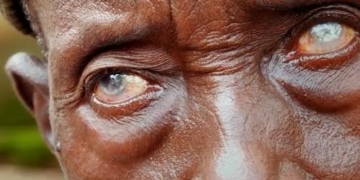
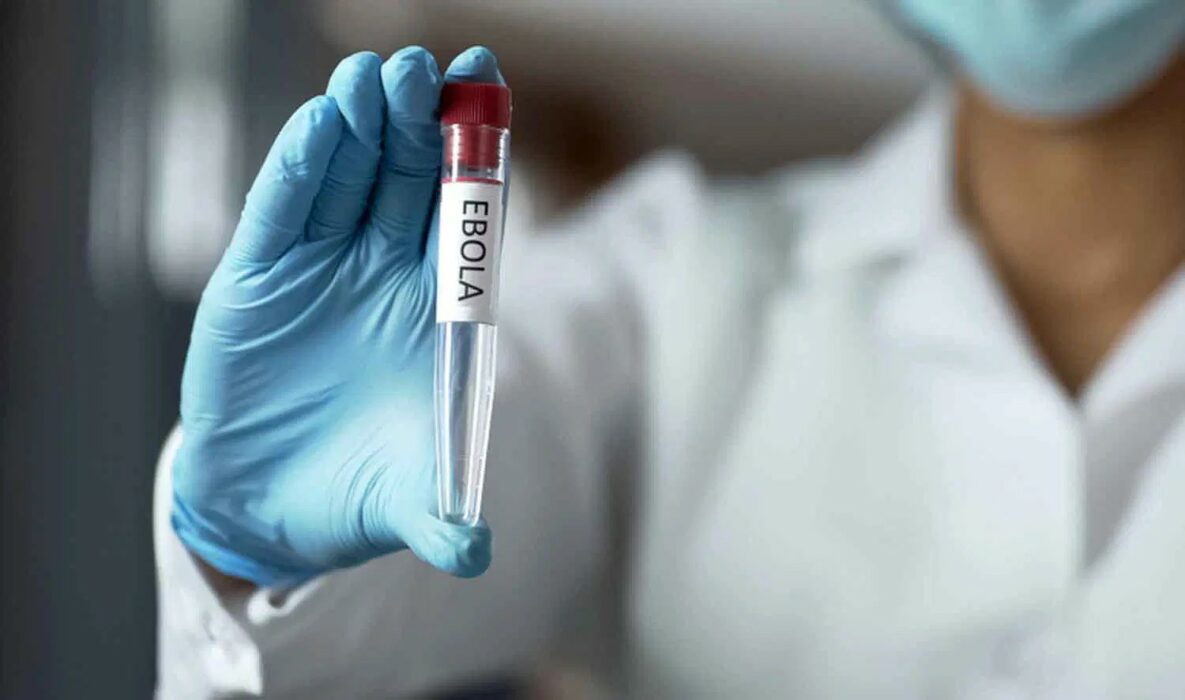
The number of confirmed Ebola cases linked to the ongoing outbreak in Central Africa has risen to nearly 500, according to the World Health Organization (WHO), raising concerns over the speed and scale of the spread.
In a situation update released on Saturday, the WHO said a total of 452 confirmed cases, including 82 deaths, have been recorded in the Democratic Republic of the Congo, where the outbreak was first declared three weeks ago.
In neighbouring Uganda, health authorities have confirmed 19 cases and two deaths, bringing the combined total to 471 confirmed cases and 84 deaths across both countries.
The figures represent an increase of about 100 cases and 20 deaths compared to earlier reports, underscoring the rapid transmission of the virus in affected regions.
The WHO has declared the outbreak a public health emergency of international concern, warning that it could escalate into one of the largest Ebola epidemics on record if not contained quickly.
A senior official at the U.S. Centers for Disease Control and Prevention (CDC), Jason Asher, said modelling suggests the outbreak could reach levels similar to the 2014 West Africa epidemic, which recorded more than 28,000 cases and over 11,000 deaths.
“That scale is possible,” he said during a press briefing.
Ebola is a highly infectious disease transmitted through direct contact with bodily fluids of infected persons. Over the past five decades, it has killed more than 15,000 people across Africa.
Health officials said the current outbreak, declared on May 15 in northeastern DR Congo, may have been circulating undetected before being identified.
They also noted that response efforts are being hampered by the absence of approved vaccines or treatments for the rare Bundibugyo strain responsible for the outbreak.
In response, the WHO and the Africa Centres for Disease Control and Prevention have launched a $518 million emergency response plan aimed at containing the spread within six months.
The plan focuses on strengthening surveillance, expanding laboratory testing, improving infection prevention, and enhancing emergency response capacity in affected countries.
WHO Director-General Tedros Adhanom Ghebreyesus warned that health systems are struggling to keep pace with the outbreak.
“The outbreak is moving fast, and we are still playing catch-up,” he said.
He added that urgent coordinated action is required to contain the virus and prevent further regional spread.
We’ve got the edge. Get real-time reports, breaking scoops, and exclusive angles delivered straight to your phone. Don’t settle for stale news. Join LEADERSHIP NEWS on WhatsApp for 24/7 updates →
Join Our WhatsApp Channel