The Nigeria Centre for Disease Control (NCDC) has raised the alarm once again: suspected cholera cases in 2024 have surged by 220 percent compared to the same period last year.
From January 1 to September this year,10,837 suspected cases and 359 deaths were reported across 36 states. Lagos alone accounted for 60 percent of the nation’s total.
Save the Children International Nigeria has reported alarming death rates from cholera outbreaks in Sudan and Nigeria, with figures now nearly three times the global average. Unfortunately, flooding in Nigeria is worsening conditions for the most vulnerable, especially children in the northeast.
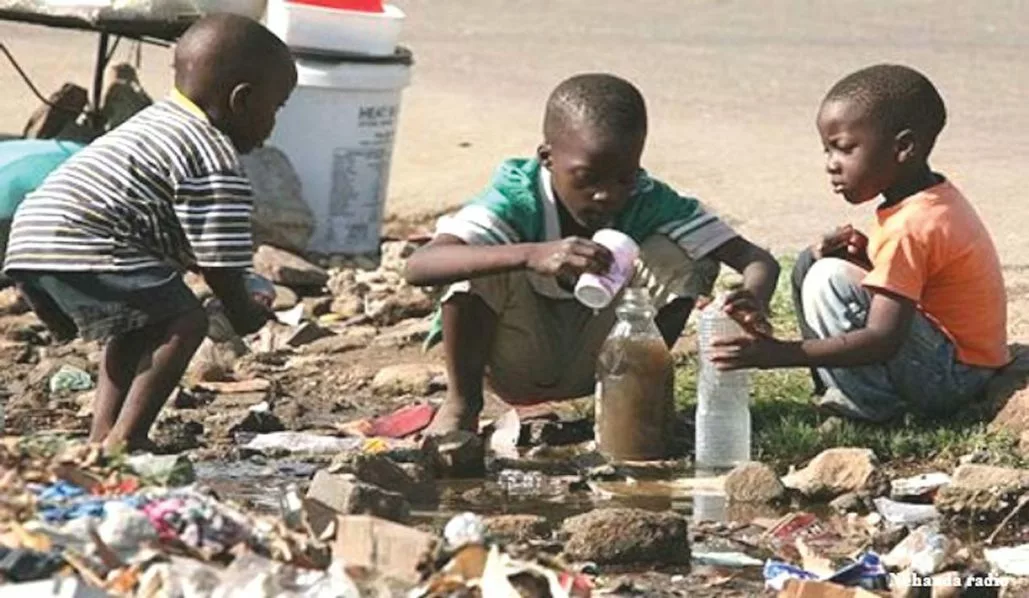
Yet, the numbers only tell part of the story. Cholera, a waterborne disease linked to poor sanitation and contaminated water, thrives in the conditions that persist in too many parts of Nigeria.
Experts advise that washing hands frequently with soap under clean, running water can prevent infectious diseases, including cholera. This is especially important after defecation and before handling food or eating.
Additionally, avoiding open defecation and indiscriminate refuse dumping, both of which contribute to the spread of cholera, is crucial. Improved access to clean water, proper sanitation, and hygiene are critical measures to prevent cholera cases and outbreaks.
Sadly, Nigeria is among the nations with the highest number of people practicing open defecation, estimated at over 46 million. This practice brings significant health risks, linked to deaths from diarrhea, cholera, and typhoid.
In 2016, Nigeria launched an action plan to end open defecation by 2025. The plan involves providing equitable access to water, sanitation, and hygiene services, and strengthening community-based approaches to total sanitation.
However, financial constraints have jeopardized the target. Nigeria needs an estimated 959 billion Nigerian naira ($2.7 billion) to end open defecation by 2025. Of that, the government is expected to provide around 25% or NGN 234 billion—justified by the fact that the country loses NGN 455 billion annually due to poor sanitation.
Furthermore, based on World Bank estimates, Nigeria will need to triple its budget or at least allocate 1.7 percent of its current Gross Domestic Product to water, sanitation, and hygiene (WASH).
Sadly, as heavy rains continue, so does the specter of a wider outbreak, evoking grim memories of the country’s worst cholera epidemic in 2010, when nearly 40,000 people fell ill and over 1,500 died.
The persistence of cholera in Nigeria is not just a public health crisis; it is a moral indictment. How can a nation so rich in resources, human talent, and potential continue to be plagued by a disease that many parts of the world have long since eradicated?
The answer is one we have heard too many times before: chronic underinvestment in critical infrastructure, lack of political will, and the deep-rooted inequality that leaves millions vulnerable.
At the heart of this crisis is the failure to secure clean water—a fundamental human right that remains out of reach for far too many Nigerians.
The country’s water sources are riddled with contamination; its distribution systems are crumbling. Inadequate treatment facilities mean that the cycle of waterborne diseases like cholera continues to trap families in grief and communities in despair.
We know what needs to be done. Investments in water treatment, sanitation infrastructure, and hygiene education are the keys to breaking the cycle of cholera outbreaks. These are not radical or novel solutions. They are practical, proven, and—most crucially—within Nigeria’s reach. The economic and societal benefits of preventing outbreaks far outweigh the reactive, costly measures required to contain them.
Yet, year after year, cholera returns. Plans are outlined, resources are pledged, but the fundamental issues remain. We must demand more than band-aid solutions. It’s time for a paradigm shift in how Nigeria approaches public health emergencies. Prevention is not only a moral imperative but an economic necessity. The recurring outbreaks are a painful reminder that the cost of inaction is unbearable.
The responsibility, however, does not lie solely with the government. Citizens have a vital role to play. Proper hygiene practices, community advocacy for better sanitation, and holding authorities accountable are critical steps toward achieving a cholera-free Nigeria. Civil society, healthcare providers, and the private sector must also join forces to tackle this challenge comprehensively.
Nigeria has the resources and expertise to lead Africa in public health and disease prevention. But the gap between potential and reality grows wider with every preventable death.
In our view, it is time for Nigeria to rise to the challenge. A holistic, forward-thinking strategy must prioritize access to clean water, proper sanitation, and quality healthcare for all its citizens.
Until then, the cholera scourge will remain a tragic fixture in our national life—a grim reminder of a crisis that should have been solved long ago.
Sent from my iPhone
We’ve got the edge. Get real-time reports, breaking scoops, and exclusive angles delivered straight to your phone. Don’t settle for stale news. Join LEADERSHIP NEWS on WhatsApp for 24/7 updates →
Join Our WhatsApp Channel