The Federal Ministry of Education, in collaboration with the Universal Basic Education Commission (UBEC) and State Universal Basic Education Boards (SUBEBs), has formally rolled out the $552.18 million HOPE-EDU Programme, an intervention aimed at transforming Nigeria’s basic education landscape and improving learning outcomes nationwide.
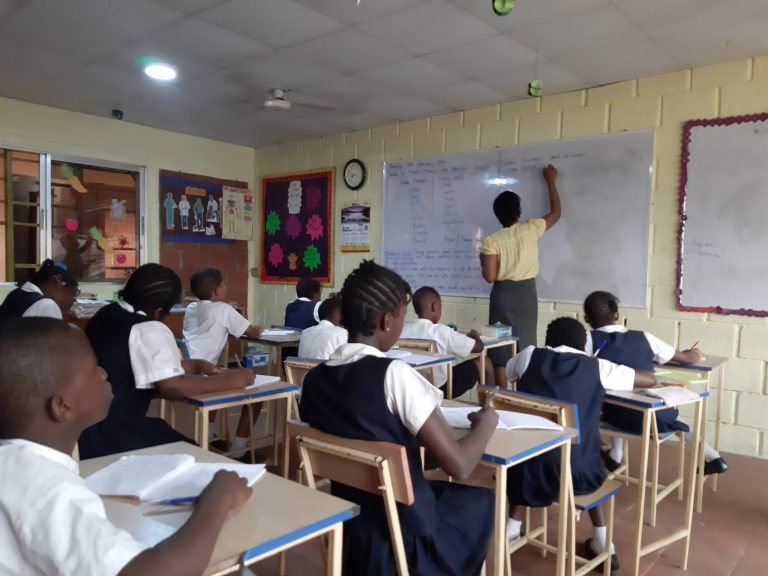
Supported by the World Bank and the Global Partnership for Education (GPE), the programme is expected to benefit more than 29 million children, strengthen the capacity of 500,000 teachers, deliver 13,000 new classrooms, and reintegrate millions of out-of-school children into the formal school system.
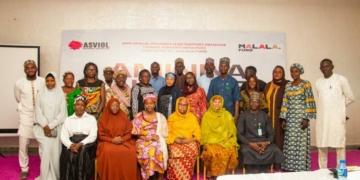
UBEC executive secretary, Dr Aisha Garba, unveiled the initiative yesterday during a three-day sensitisation workshop for education commissioners, SUBEB chairmen, and frontline implementers of the HOPE-EDU and HOPE-Governance Programmes, held in Lagos from March 25–27.
Describing HOPE-EDU as a “historic opportunity” to resolve persistent challenges in Nigeria’s basic education system, Garba said the programme is firmly aligned with President Bola Ahmed Tinubu’s Renewed Hope Agenda and prioritises foundational learning, teacher development, quality instructional materials, and expanded access for vulnerable learners.
“These are not abstract goals; they are actionable interventions,” she emphasised.
“The Federal Ministry of Education and UBEC will provide resources and technical support, but the real work will be done at the state and community levels. You will lead the needs assessments, community engagement, and implementation.”
She urged state governments to demonstrate high levels of transparency, accountability, and strict monitoring in the execution of the programme.
According to her, UBEC will soon deploy digital dashboards to track spending, implementation progress, and milestone delivery, ensuring that “every naira, every activity, and every outcome is properly accounted for.”
Garba reaffirmed the Federal Government’s commitment to ensuring equitable learning opportunities for the country’s most disadvantaged children—including children with special needs, girls, children from poor households, and those living in conflict-affected communities.
“Above all, let us work with all children, especially the most marginalised—the special-needs child, the girl-child, the vulnerable, and children in conflict zones. Their education is not charity; it is the cornerstone of our democracy and economy,” she said.
The sensitisation workshop is designed to align states with the HOPE-EDU implementation framework as contained in the Programme Appraisal Document (PAD) and the Programme Operational Manual (POM).
Participants are receiving technical guidance on safeguard requirements, procurement standards, roles and responsibilities, and lessons learned from previous interventions such as BESDA-AF.
The nationwide sensitisation is being conducted in phases—beginning with the South-South and South-East in Uyo, followed by the South-West and North-Central in Lagos, and scheduled to conclude with the North-West and North-East sessions in Kano.
We’ve got the edge. Get real-time reports, breaking scoops, and exclusive angles delivered straight to your phone. Don’t settle for stale news. Join LEADERSHIP NEWS on WhatsApp for 24/7 updates →
Join Our WhatsApp Channel