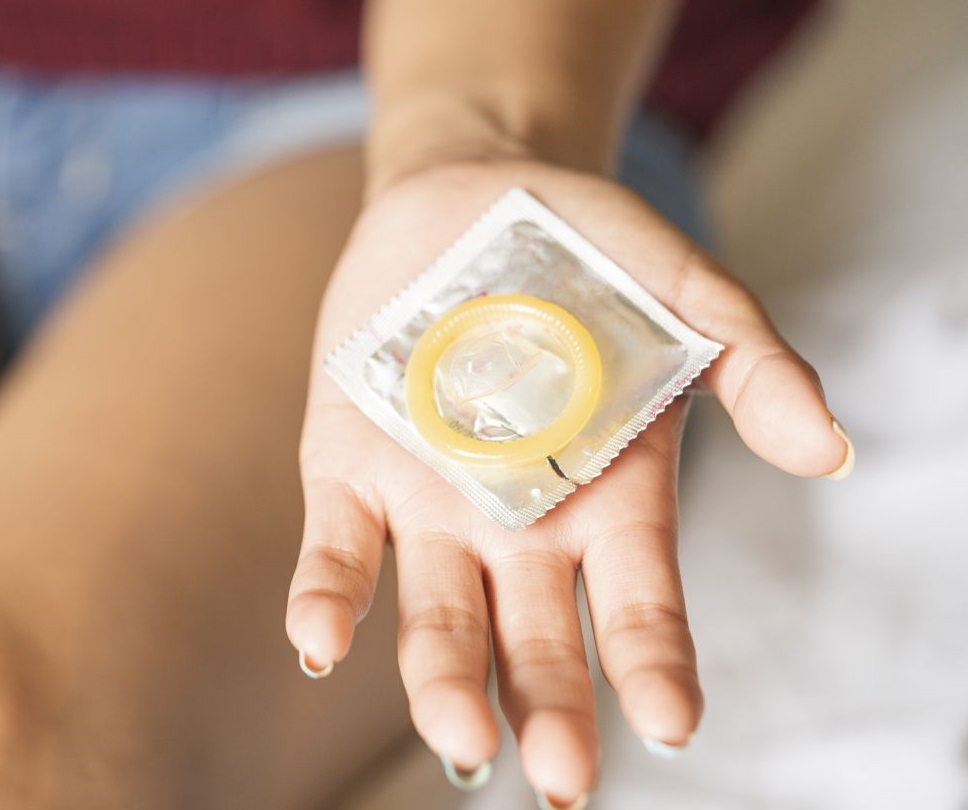
The Joint United Nations Programme on HIV/AIDS (UNAIDS) has revealed that condom distribution in Nigeria fell by 55 per cent over the past year, signalling what it describes as one of the worst setbacks in the global HIV response in decades.
The data was released on Tuesday during the launch of the 2025 World AIDS Day report titled: “Overcoming Disruption, Transforming the AIDS Response”.
According to the agency, the drop reflects widespread disruptions in HIV prevention, testing and community-led programmes across multiple countries.
“Nigeria recorded a 55 per cent drop in condom distribution,” UNAIDS said.
The report further noted that across 13 countries, the number of people newly initiated on treatment has declined sharply. It added that 450,000 women in sub-Saharan Africa have lost access to “mother mentors” — trusted community health workers who guide them to critical HIV care.
UNAIDS attributed the growing crisis to abrupt funding cuts and worsening human rights conditions that are undermining service delivery worldwide.
“The funding crisis has exposed the fragility of the progress we fought so hard to achieve,” Winnie Byanyima, Executive Director of UNAIDS, said in Geneva.
“Behind every data point in this report are people,” she added. “Babies missed for HIV screening, young women cut off from prevention support, and communities suddenly left without services and care. We cannot abandon them.”
The agency warned that adolescent girls and young women remain disproportionately affected, with 570 new HIV infections recorded daily among females aged 15 to 24 even before the current disruptions intensified.
“This is our moment to choose,” Byanyima said. “We can allow these shocks to undo decades of hard-won gains, or we can unite behind the shared vision of ending AIDS. Millions of lives depend on the choices we make today.”
UNAIDS noted that dismantled prevention programmes are leaving young women even more vulnerable, while community-led organisations — considered the backbone of HIV outreach — are under severe strain.
More than 60 per cent of women-led groups reported suspending essential services due to limited resources.
Modelling by the agency suggests that failure to restore prevention efforts could result in 3.3 million additional HIV infections between 2025 and 2030.
International assistance is also shrinking. OECD projections indicate that external health funding could plunge by 30 to 40 per cent in 2025 compared with 2023, with devastating consequences for low- and middle-income countries most affected by HIV.
“The impact has been immediate and severe,” UNAIDS stated.
The agency called on world leaders to reaffirm global solidarity, honour commitments made at the G20 Summit in South Africa, and urgently scale up HIV funding.
It also advocated increased investment in innovative, affordable long-acting prevention tools and emphasised the need to uphold human rights and empower communities as key pillars of a successful HIV response.
We’ve got the edge. Get real-time reports, breaking scoops, and exclusive angles delivered straight to your phone. Don’t settle for stale news. Join LEADERSHIP NEWS on WhatsApp for 24/7 updates →
Join Our WhatsApp Channel