The Abuja Electricity Distribution Company (AEDC) says stopping energy theft is the best way to cut electricity tariffs and give customers more power.
The company’s acting managing director and CEO, Chijioke Okwuokenye, made this clear during a meeting with journalists in Abuja on Thursday.
Energy theft happens when people connect illegally to power lines or tamper with meters. This steals electricity and creates big losses for companies like AEDC. These losses make tariffs high for other users because the company must recover costs from paying customers.
Okwuokenye explained that if everyone helps stop theft, AEDC can push more electricity into homes and businesses. More supply means lower prices for all. “Electricity is a volume business,” he said. “Reduce losses, add more energy, and tariffs will drop naturally.”
He said AEDC has already made strong progress. The company now pays 100 per cent of its bills to the power market. This is a huge change from before, when AEDC owed a lot of money.
According to him, full payments help everyone in the power value chain—from generators to transmitters.
Okwuokenye noted that last year, AEDC sent 15 per cent more electricity through its lines. It also reduced technical and business losses by upgrading wiring and combating theft.
In one year, AEDC installed 70,000 meters under government schemes like the Meter Asset Fund. These meters shift customers from estimated bills to prepaid ones.
No more guessing or arguments—customers pay only for what they use. This builds trust and improves the company’s cash flow. AEDC aims to meter every customer within the next few months.
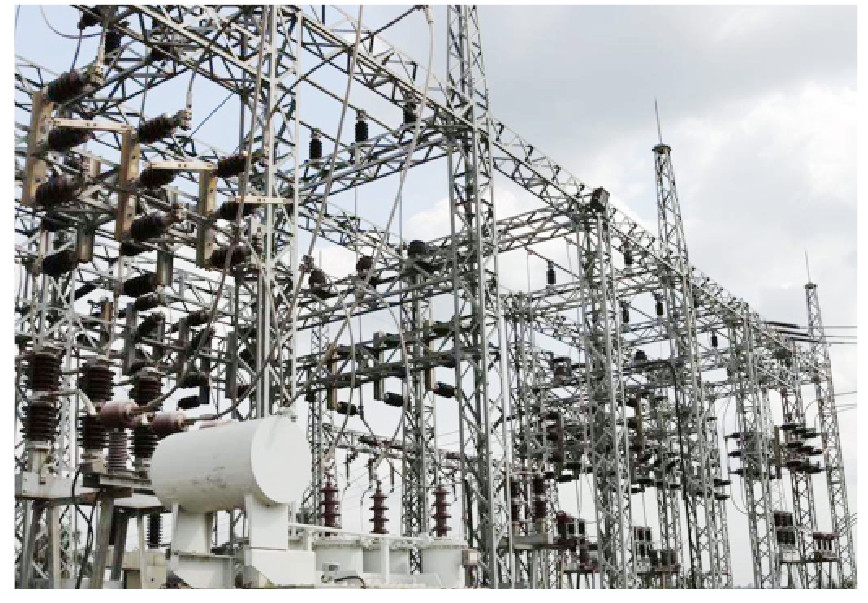
The acting MD said that to further boost supply, AEDC is building new power lines. From mid-March, areas like Wuse and Idu will get at least 20 hours of electricity daily. Some spots will offer 80 hours per week.
The company is also banking on the completion of the Nigerian National Petroleum Company (NNPC)’s 350MW power plant in Gwagwalada to reduce it’s dependence on the national grid.
It should start by late 2026 or early 2027. AEDC plans three 10MW solar plants too, which can grow to 30MW. Mini-grids will reach remote areas in the Federal Capital Territory (FCT) and in Niger, Kogi, and Nasarawa states. Okwuokenye called on customers to pay bills on time and report thieves. He said government support, board backing, and shareholder funds make these changes possible. By 2027, blackouts caused by grid problems or seasonal conditions will end in these areas. AEDC also pushes for better tariffs and subsidies for poor customers.
“Power is costly to make and deliver, but we focus on value,” Okwuokenye added.
With reduced theft and increased investment, AEDC will lead power distribution in West Africa.
We’ve got the edge. Get real-time reports, breaking scoops, and exclusive angles delivered straight to your phone. Don’t settle for stale news. Join LEADERSHIP NEWS on WhatsApp for 24/7 updates →
Join Our WhatsApp Channel