

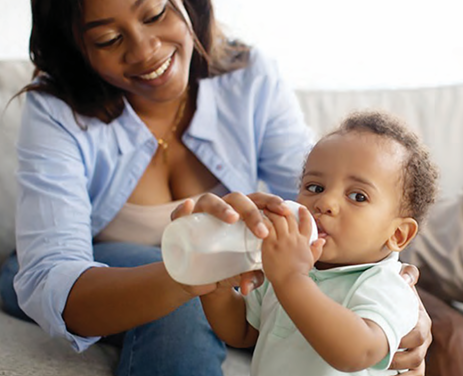
Dehydration in babies is a critical issue that demands immediate attention. Due to their small size and rapid growth, infants are at a higher risk of dehydration compared to older children or adults. It’s crucial for parents and caregivers to fully grasp the signs, causes, and treatment of dehydration in babies to safeguard their well-being.
What Causes Dehydration in Babies?
Dehydration in babies occurs when they lose more fluids than they take in, which can be caused by several factors.
These include diarrhea and vomiting, common during stomach infections or teething, which can rapidly deplete a baby’s fluid levels.
Fever: Additionally, fever can lead to fluid loss through sweating, contributing to dehydration. Insufficient fluid intake due to feeding difficulties, illness, or inadequate breast milk or formula can also cause dehydration. Finally, overheating from hot weather, excessive clothing, or prolonged exposure to a warm environment can lead to increased sweating and fluid loss in babies.
Signs Of Dehydration In Babies
Recognizing the signs of dehydration early can help prevent complications. Some key indicators include:
Dry Mouth And Lips: A baby’s mouth and tongue should be moist. If they appear dry, it could be a sign of dehydration.
Fewer Wet Diapers: A well-hydrated baby should have at least six wet diapers in 24 hours. Fewer than this may indicate dehydration.
Sunken Soft Spot (Fontanelle): The soft spot on the top of a baby’s head may appear sunken if they are dehydrated.
Dark Yellow Urine: Pale yellow urine is normal, but dark yellow or orange urine suggests dehydration.
No Tears When Crying: If your baby cries without producing tears, it could be a sign they need more fluids.
Lethargy: A dehydrated baby may be unusually tired, irritable, or less active than usual.
Rapid Breathing Or Heart Rate: Dehydration can cause the heart and respiratory rate to increase as the body struggles to maintain normal function.
Treatment For Dehydration In Babies
If you suspect your baby is dehydrated, it’s important to act quickly:
Breastfeeding or Formula Feeding: If your baby is breastfed, offer the breast more frequently. If they are formula-fed, give them small, frequent feeds.
Oral Rehydration Solutions (ORS): For mild dehydration, your pediatrician may recommend an oral rehydration solution specifically designed for infants. This can help replenish lost fluids and electrolytes.
Consult Your Pediatrician: If you notice signs of dehydration or if your baby refuses fluids, contact your pediatrician immediately. They may recommend additional treatments or, in severe cases, hospitalization for intravenous fluids.
Keep the Environment Cool: Ensure your baby is in a cool, comfortable environment, especially in hot weather, to prevent further fluid loss through sweating.
Prevention Tips
Preventing dehydration is easier than treating it. Here are some tips to keep your baby well-hydrated:
Regular Feeding: Offer breast milk or formula at regular intervals, especially during hot weather or if your baby is unwell.
Monitor Diaper Output: Keep an eye on how many wet diapers your baby has each day. This can be a good indicator of their hydration status.
Avoid Overdressing: Dress your baby in lightweight, breathable clothing, and keep them out of direct sunlight to prevent overheating.
We’ve got the edge. Get real-time reports, breaking scoops, and exclusive angles delivered straight to your phone. Don’t settle for stale news. Join LEADERSHIP NEWS on WhatsApp for 24/7 updates →
Join Our WhatsApp Channel
