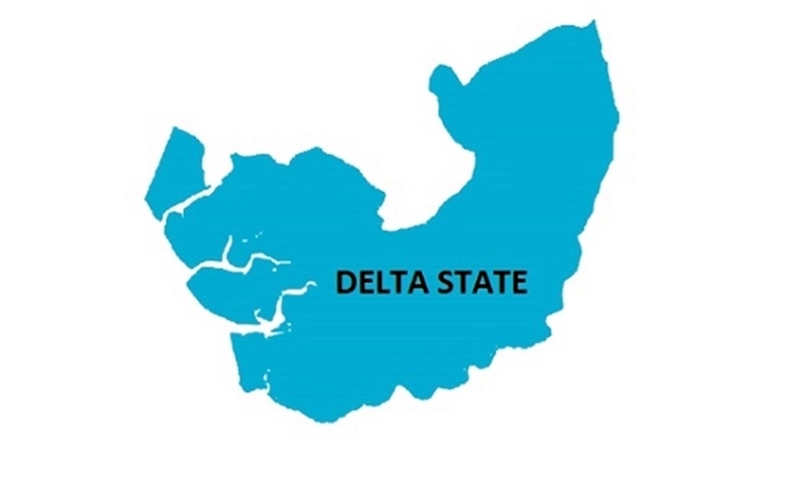
Delta State government has hired approximately 1,000 academic and non-academic staff for its nine state-owned tertiary institutions.
The Delta State Commissioner for Higher Education, Prof Johnbull Tonukari, disclosed this during the Distinguished Scholar Lecture Series held at the Southern Delta University, Orerokpe Campus, Delta State.
He said the state government has earmarked over N100 billion for higher education, and attributed it to the rise of students enrolment across the nine state-owned tertiary institutions in the state which has increased from about 55,000 to slightly over 100,000.
According to him, the strategic educational reforms introduced by Governor Sheriff Oborevwori and recruitment of non-academic staff to support the expansion are a demonstration of Governor Sheriff Oborevwori’s commitment to advancing tertiary education in the state.
Prof Tonukari, who assured the allocation would be spent prudently to strengthen infrastructure, expand access and improve the overall quality of tertiary institutions across Delta State also assured that the ministry would be very prudent.
“Our governor is a man who loves education so much. When he took over office, the total number of students in the nine tertiary institutions owned by Delta State was about 55,000. As at today, the total number of students we have in these institutions is slightly more than 100,000, and this happened as a result of the educational programme strategies he put in place.
“This is because the government is very prudent. The budget for higher education is over N100 billion. That money is going to be spent judiciously to improve tertiary institutions in Delta State. The government has hired approximately 1,000 academic and non-academic staff in tertiary institutions,” he said.
Delivering a lecture on Cultural Constellations and Intersections in Virtual Space, Prof Hope Eghagha of the Department of English, University of Lagos, urged students to harness digital platforms for cultural promotion and national development.
He emphasised the importance of leveraging social media positively and called on young people, including those involved in internet fraud, to redirect their skills towards productive ventures.
He also appealed to government to establish mentorship and training programmes to help youths harness digital culture for sustainable development.
In his remarks, the Dean of the Postgraduate School, Delta State University, Abraka, Prof Sunny Awhefeada, noted that digital access had transformed academic research and broadened acceptable areas of study, calling on government at all levels to prioritise digital culture as part of national development planning.
“In my department at Abraka, some of the topics we now approve for PhD, some 10 years ago, would have been taboo, but that is possible now because of access to the digital space. Government should do more and teachers should be liberal because this old order is passing away.
“A time is coming when nobody will be reading paper in its present form; it is going to be reduced minimally into something that the digital space can support. In the next 10 to 20 years, the Nigerian government from local to federal should do something to ensure that digital culture becomes a way of life. That is where the world is headed, and Nigeria cannot be left behind.”
We’ve got the edge. Get real-time reports, breaking scoops, and exclusive angles delivered straight to your phone. Don’t settle for stale news. Join LEADERSHIP NEWS on WhatsApp for 24/7 updates →
Join Our WhatsApp Channel