
What Is Diphtheria?
Diphtheria is a serious and highly contagious bacterial infection caused by toxin-producing strains of Corynebacterium diphtheriae. The disease primarily attacks the nose and throat, although it can also affect the skin.
According to the World Health Organisation (WHO), the bacteria release a toxin that damages body tissues and can spread through the bloodstream, potentially affecting the heart, nerves and other organs.
Before the introduction of widespread vaccination in the 1930s, diphtheria caused major outbreaks across the world. Today, the disease is largely preventable through routine immunisation, but outbreaks continue to occur in areas with low vaccination coverage.
How Is Diphtheria Contracted?
Diphtheria spreads easily from one person to another through:
- Respiratory droplets released when an infected person coughs or sneezes.
- Direct contact with infected skin sores.
- Touching contaminated objects such as towels, tissues or clothing used by an infected person.
Health authorities note that some infected individuals may not show symptoms but can still transmit the bacteria to others.
Crowded environments, poor hygiene and low immunisation rates significantly increase the risk of transmission.
How Does Diphtheria Present?
Symptoms usually appear between two and five days after exposure to the bacteria.
Common early symptoms include:
- Sore throat.
- Fever.
- Swollen glands in the neck.
- Weakness and fatigue.
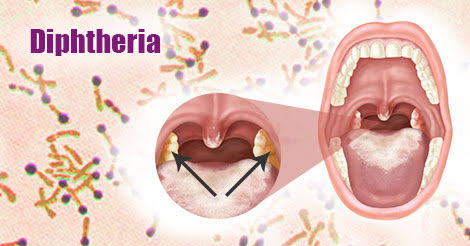
One of the most recognisable signs is the formation of a thick grey or white membrane at the back of the throat or on the tonsils within two to three days of infection. This membrane can block the airway, making it difficult to breathe or swallow.
In some cases, the infection also affects the skin, causing painful sores, redness and rashes.
If left untreated, the toxin can lead to severe complications, including:
- Heart inflammation (myocarditis).
- Nerve damage.
- Breathing difficulties.
- Kidney problems.
- Death.
The WHO estimates that diphtheria can be fatal in about 30 per cent of untreated cases, with children under five years particularly vulnerable.
What should you do immediately if diphtheria is suspected?
Medical experts advise that anyone showing symptoms should seek urgent medical attention rather than self-medicate.
Early treatment significantly reduces the risk of complications and death.
Treatment typically involves:
- Immediate isolation of the patient to prevent further transmission.
- Administration of diphtheria antitoxin (DAT) to neutralise the toxin circulating in the bloodstream.
- Antibiotics to eliminate the bacteria and stop further toxin production.
Health officials also recommend that people who have had close contact with an infected person receive preventive antibiotics and have their vaccination status reviewed. Those who are not fully vaccinated should receive the diphtheria vaccine.
How can diphtheria be prevented?
The WHO says vaccination is the most effective protection against diphtheria.
Children should receive three primary doses of a diphtheria-containing vaccine during infancy, followed by three booster doses during childhood and adolescence for long-term immunity.
In Nigeria, the diphtheria vaccine is commonly administered as part of the pentavalent vaccine, which also protects against tetanus, pertussis, hepatitis B, Haemophilus influenzae type b and polio.
Other preventive measures include:
- Ensuring children complete their routine immunisation schedule.
- Maintaining good hand hygiene.
- Covering the mouth and nose when coughing or sneezing.
- Avoiding close contact with infected individuals.
- Promptly reporting suspected cases to the nearest health facility.
Why Nigeria Remains Vulnerable
The WHO warns that outbreaks continue to occur in countries where immunisation coverage has declined.
Although global vaccination rates have improved, gaps remain. In 2025, about 85 per cent of children worldwide received all three primary doses of the diphtheria vaccine, but coverage varies significantly across countries and communities.
The organisation urges governments to strengthen routine immunisation programmes, improve disease surveillance and rapidly close immunity gaps to prevent future outbreaks.
We’ve got the edge. Get real-time reports, breaking scoops, and exclusive angles delivered straight to your phone. Don’t settle for stale news. Join LEADERSHIP NEWS on WhatsApp for 24/7 updates →
Join Our WhatsApp Channel