BY BUKOLA ARO-LAMBO AND OLUSHOLA BELLO, Lagos
High energy costs, persistent domestic supply gaps and insecurity could determine whether the federal government achieves its single-digit inflation target before the end of 2027, financial analysts have warned.
While some analysts believe the target is achievable if the government maintains policy consistency and sustains exchange rate stability, others argue that inadequate domestic production, high transportation costs and structural constraints could frustrate the plan.
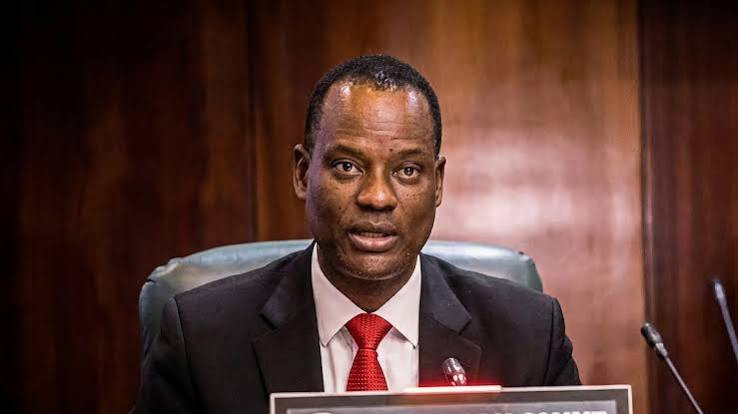
LEADERSHIP reports that the minister of finance and coordinating minister of the economy, Taiwo Oyedele, said on Monday that the federal government was targeting single-digit inflation before the end of 2027.
He said the goal was to create conditions for lower interest rates and faster economic growth.
Speaking at the 32nd Nigerian Economic Summit in Abuja, Oyedele defended the government’s economic reforms, arguing that savings from foreign exchange and petrol subsidy reforms had been channelled into measures to support Nigerians.
He cited salary increases, the payment of pension arrears and subsidised credit for small businesses as some of the measures introduced to cushion the impact of the reforms.
The minister maintained that lower inflation would help reduce borrowing costs, improve access to credit and stimulate economic activity.
Energy Costs, Insecurity
Reacting to the target, the chief executive of the Centre for the Promotion of Private Enterprise (CPPE), Dr Muda Yusuf, said achieving single-digit inflation by the end of 2027 was feasible if the government remained consistent with its policies.
Yusuf said the reported inflation rate of 14.63 per cent could decline further if the government sustained policies that promote exchange rate stability and support a gradual appreciation of the naira.
According to him, exchange rate stability, lower energy prices and stronger external reserves would be critical to achieving the target.
“What is important is the consistency of policy. If the government continues to be very consistent to ensure that the exchange rate remains stable, also gradually appreciating. If energy prices come down and we have very stable exchange rates, we will be able to sustain our high level of external reserves,” he said.
Yusuf, however, identified energy costs and insecurity as major obstacles to the inflation outlook, noting that both continue to exert upward pressure on the prices of goods and services.
“It is something that is feasible if those major variables remain very favourable to us. The biggest challenge we have now is essentially the problem of energy costs, which is a geopolitical problem, and the problem of insecurity. Of course, those are the two major things that have been affecting inflation. But the biggest one is the energy cost,” he said.
Supply-side Constraints
In contrast, the vice chairman of Highcap Securities Limited, David Adonri, expressed doubts about Nigeria’s ability to achieve single-digit inflation by the end of 2027, citing unresolved supply-side constraints and what he described as a disconnect between official inflation figures and the economic realities faced by Nigerians.
Adonri questioned the reported double-digit inflation rate, arguing that figures released by the National Bureau of Statistics (NBS) did not reflect the experiences of many Nigerians in the marketplace.
He said achieving the government’s target would require decisive and sustained interventions to increase domestic production and address structural bottlenecks across key sectors of the economy.
According to him, reliance on imports, including agricultural products such as rice, would not provide a sustainable solution to Nigeria’s inflation challenge. Instead, expanding domestic agricultural production would increase the supply of food and other essential commodities, helping to moderate prices more effectively.
Adonri also identified the country’s housing deficit and high transportation costs as significant supply-side constraints contributing to inflation.
He noted that inadequate infrastructure and high energy costs had made the movement of goods and people more expensive, raising production and distribution costs across the economy.
The analyst questioned whether the government could implement the necessary supply-side interventions before the end of 2027, stressing that meaningful progress would require sustained action in agriculture, housing, transportation and other productive sectors.
He warned that without tangible improvements in domestic supply and production costs, a decline in official inflation figures might not translate into meaningful relief for households and businesses.
Adonri added that effective interventions across these sectors would make the benefits of lower inflation more apparent to ordinary Nigerians and help bridge the gap between official statistics and their everyday economic experiences.
We’ve got the edge. Get real-time reports, breaking scoops, and exclusive angles delivered straight to your phone. Don’t settle for stale news. Join LEADERSHIP NEWS on WhatsApp for 24/7 updates →
Join Our WhatsApp Channel