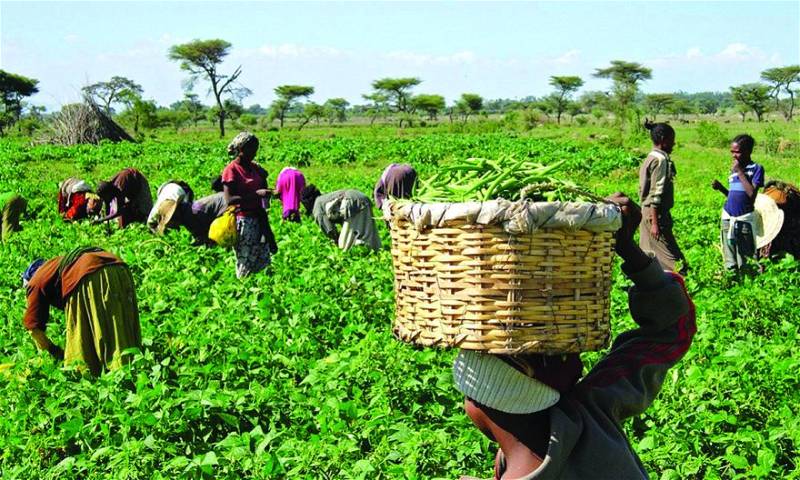
Nigeria is transforming its farmlands into climate gold mines. With an ambitious push into carbon markets, farmers across the country stand to earn additional income through reforestation, plantation development, and sustainable land use initiatives spearheaded by the National Agricultural Land Development Authority (NALDA).
Unveiled at a high-profile COP30 side event in Belém, Brazil, and formalised a new Memorandum of Understanding, the programme positions agriculture at the heart of Nigeria’s climate strategy — and as a driver of rural economic transformation.
According to NALDA Executive Secretary Cornelius Adebayo, the agency’s expanding programmes now align directly with Nigeria’s climate commitments. Through afforestation, reforestation, and structured plantation development across ecological zones, the initiative is designed not only to tackle climate change but also to strengthen rural livelihoods.
“These plantations are among Nigeria’s strongest nature-based climate assets,” Adebayo said. “They have the potential to generate high-integrity carbon removals, attract new financing, and deliver tangible socio-economic benefits for communities on the ground.”
Under the NALDA Plantation Carbon Roadmap, more than 20,000 hectares will be monitored and verified, ensuring credibility and transparency in the country’s carbon initiatives.
“The benefits extend far beyond carbon,” Adebayo explained. “They include improved rural infrastructure, enhanced soil fertility, water systems for agriculture, economic opportunities for youth, and stronger food systems. Every credit generated from restored landscapes is tied to real socio-economic impact on the ground.”
NALDA has already launched pilot estates in Ekiti and Kwara, spanning 1,200 and 1,050 hectares respectively. These fully mechanised features feature irrigation systems, processing hubs, housing, and energy facilities.
Participating farmers will earn revenue from crops and carbon credits, thanks to climate-resilient tree lines along perimeter fences.
The programme is expected to generate at least 12,000 direct jobs, 30,000 indirect jobs, and lift thousands of rural households out of poverty — a tangible demonstration of climate action driving economic growth.
The model is expanding through the Renewed Hope Restoration Projects, targeting internally displaced persons, migrants, and refugees. Spanning 500 to 2,000 hectares, these sites integrate agricultural rehabilitation, tree planting, and climate-smart practices to deliver carbon revenue while restoring livelihoods.
Similar interventions are underway in Oyo, Ondo, and Osun states under NALDA’s Biodiversity Enhancement Programme. Here, over 6,000 hectares of cocoa, rubber, cashew, and oil palm plantations are being restored to boost carbon sequestration and safeguard sensitive ecosystems.
With these initiatives, Nigeria is not only meeting its climate commitments but also redefining agriculture as a pathway to economic empowerment, proving that green action can yield real benefits for farmers and communities alike.
We’ve got the edge. Get real-time reports, breaking scoops, and exclusive angles delivered straight to your phone. Don’t settle for stale news. Join LEADERSHIP NEWS on WhatsApp for 24/7 updates →
Join Our WhatsApp Channel