The federal government has reaffirmed its commitment to poverty reduction and social inclusion through the Household Prosperity and Empowerment Cash Transfer Programme (HoPE-CT), describing it as one of the most ambitious and impactful social intervention initiatives in Nigeria.
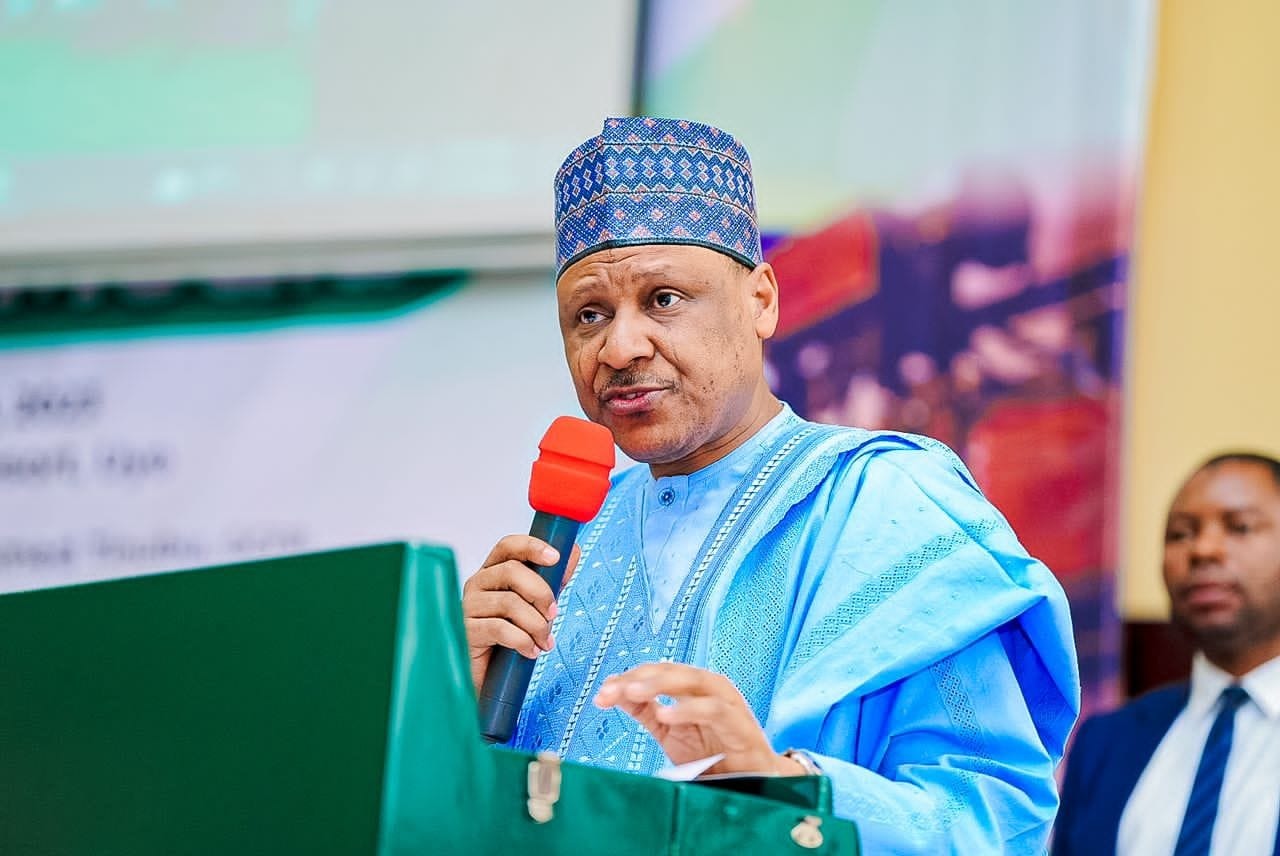
Speaking at the HoPE-CT Implementation Briefing yesterday in Abuja, the Minister of Information and National Orientation, Mohammed Idris, represented by the Director of Public Relations and Protocol, Dr Suleiman Haruna, revealed that the programme has already reached over 9.2 million beneficiaries nationwide.
The Minister said the initiative is designed to ultimately support 15 million vulnerable households, with special uplift grants of N50,000 targeted at 3.6 million families, further reinforcing the government’s poverty reduction agenda.
According to Idris, the HoPE-CT initiative goes beyond numbers, representing renewed hope, dignity, and improved living conditions for vulnerable Nigerians.
He commended the Federal Ministry of Humanitarian Affairs and Poverty Reduction for its dedication to implementing the programme.
“The HoPE-CT programme is about restoring hope, expanding opportunities, and laying the foundation for inclusive prosperity. It demonstrates that the government is attentive to the needs of its citizens, especially those at the grassroots,” he said.
Addressing members of the media, the Minister urged journalists to highlight the human impact of government interventions, telling compelling, factual, and non-partisan stories that capture the transformation of beneficiaries.
“As storytellers, the media must amplify the human angle of these interventions—showcasing before-and-after experiences that rekindle hope among Nigerians and strengthen trust in government,” he added.
The Minister reiterated that renewing hope remains a central agenda of the current administration and called for sustained collaboration between the media and government institutions to effectively communicate policies and programmes.
He also highlighted other key social intervention initiatives aimed at promoting social inclusion and alleviating poverty, including: “National Social Investment Programme (NSIP): Non-collateral, interest-free loans of N300,000 to N400,000 for youth and women through cooperatives, alongside a restructured N-Power programme.
“Student Loan Scheme: Over N95.6 billion approved to support Nigerian students in higher education.
“Government Enterprise and Empowerment Programme (GEEP): Microloans to entrepreneurs, market women, and traders under TraderMoni and related schemes.
“3 Million Technical Talent Programme (3MTT): Equips Nigerians with technical and digital skills.
“Skill-Up Artisans Programme (SUPA): Upgrades artisans’ skills through technology-enabled training.
“National Home-Grown School Feeding Programme: Boosts school enrollment and supports local farmers.
“Consumer Credit Scheme: Allows citizens to acquire goods without immediate cash payments, backed by over N200 billion.
“Compressed Natural Gas (CNG) Initiative: Provides transport subsidies to reduce commuting costs.
“Livelihood Support Grants: Delivers nano-grants to 600,000 micro-businesses nationwide.
“LUMINAH 2030 Initiative: Empowers over one million women and girls through education and vocational training.”
The Minister affirmed that the Federal Ministry of Information and National Orientation will continue to collaborate with relevant ministries and agencies to ensure effective dissemination of information and enhanced public engagement on government programmes.
“As we receive feedback and fine-tune implementation, we will continue to listen, learn, and deliver. Together, we must keep building a Nigeria where no one is left behind,” he concluded.
We’ve got the edge. Get real-time reports, breaking scoops, and exclusive angles delivered straight to your phone. Don’t settle for stale news. Join LEADERSHIP NEWS on WhatsApp for 24/7 updates →
Join Our WhatsApp Channel