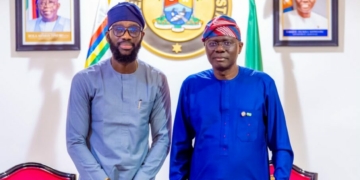
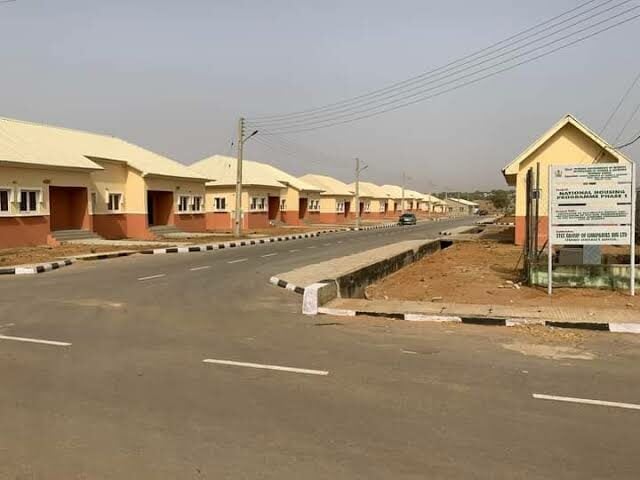
The Federal Government is planning a major shake-up of Nigeria’s housing finance system, with a proposed increase in the maximum mortgage loan to N85 million and a target of delivering 5,000 mortgages annually by 2028.
The reform, announced by the Minister of Housing and Urban Development, Engr. Dr. Muttaqha Rabe Darma, is also expected to open up housing finance to informal-sector workers, who have struggled to access conventional mortgages because of irregular earnings and restrictive lending conditions.
Darma unveiled the proposals at the 15th Meeting of the National Council on Lands, Housing and Urban Development in Sokoto, where he outlined measures to strengthen the Federal Mortgage Bank of Nigeria (FMBN) and improve the conversion of National Housing Fund (NHF) contributions into actual homeownership opportunities.
Under the proposed targets, FMBN is expected to deliver 2,000 mortgages in 2026, then scale up to 5,000 by 2028. The bank is also expected to channel at least 70 per cent of the previous year’s NHF contributions into mortgage facilities annually, a move intended to ensure that contributors derive greater benefits from the scheme.
A significant feature of the proposed reforms is the plan to reserve between 30 and 40 per cent of mortgage bookings for informal-sector workers. The initiative aims to extend housing finance to traders, artisans, self-employed Nigerians, and others whose income patterns often make it difficult to meet conventional mortgage requirements.
The minister also disclosed plans to establish a National Housing Finance Authority to improve coordination, regulation and accountability in the sector. He added that the Diaspora Mortgage Programme would provide Nigerians living abroad with opportunities to invest in residential properties at home.
He argued that Nigeria’s housing challenge could not be resolved through estate construction alone, stressing that effective financing mechanisms were necessary to help ordinary Nigerians purchase completed homes. He cited Rwanda’s experience with mortgage refinancing and institutional reforms as a model the country could draw on.
Meanwhile, Sokoto State Governor Ahmad Aliyu Sokoto highlighted the state’s 500-unit Sokoto New City Housing Project and a partnership with the United Nations to provide shelter for internally displaced persons, particularly vulnerable citizens and low-income households.
The Chairman of the House of Representatives Committee on Urban Development and Regional Planning, Hon. Awaji-Inombek Abiante, called for broader reforms, including single-digit mortgage interest rates, a review of house prices, transparent land registration procedures and stronger development control. He also proposed a National Housing Identification Number and greater reliance on locally sourced building materials to reduce construction costs.
The council meeting, attended by the housing minister, the Minister of State, state commissioners and heads of housing agencies, considered recommendations from the Permanent Secretaries’ meeting, with its resolutions expected to shape future housing policies. However, the proposed mortgage expansion will ultimately depend on effective implementation, improved access to finance, and the reforms’ ability to make homeownership affordable for Nigerians across different income groups.
We’ve got the edge. Get real-time reports, breaking scoops, and exclusive angles delivered straight to your phone. Don’t settle for stale news. Join LEADERSHIP NEWS on WhatsApp for 24/7 updates →
Join Our WhatsApp Channel