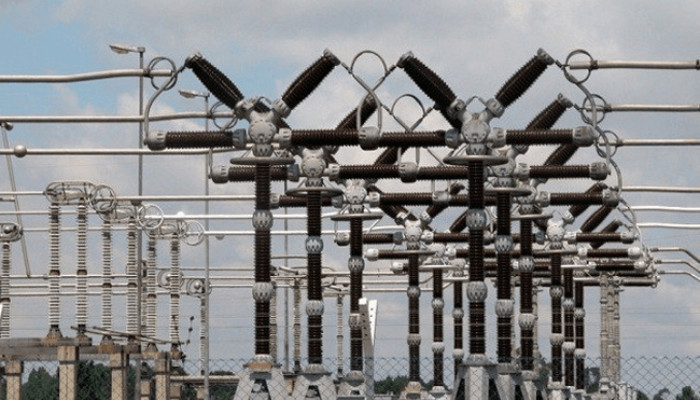
The federal government and power generation companies (GenCos) are at odds over the reconciliation of debts in Nigeria’s electricity market, with the government asserting a liability of about N4 trillion, while GenCos maintain that the amount owed is higher, citing figures approaching N6.3 trillion.
Minister of Power, Adebayo Adelabu, disclosed the government’s position during a press conference in Abuja, noting that the discrepancies are due to ongoing reconciliation efforts and adjustments for interest and foreign exchange components.
“When we said N4 trillion as at the end of 2024, it was audited and agreed at about N2.8 trillion because of interest elements and foreign exchange components,” Adelabu explained. “Further reconciliation is ongoing, but the total liability will likely settle around N4 trillion, not N6 trillion as sometimes reported.”
He further clarified that over 60 per cent of the obligations relate to gas supply, which is critical to electricity generation, and apologised to Nigerians for the persistent power outages that continue to affect households and businesses.
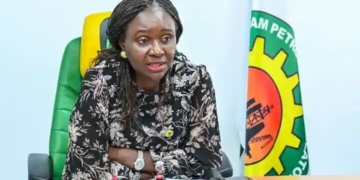
However, GenCos have rejected the government’s assessment, insisting that any reconciliation must involve all stakeholders and be based on verifiable data. Joy Ogaji, Executive Secretary of the Association of Power Generation Companies, stressed that accurate figures can only emerge through joint verification.
“The last reconciliation meeting with all parties was in March 2025. No subsequent reconciliation has been done,” Ogaji said. “We need transparency on how the government arrived at these figures. Reliance solely on the Nigerian Bulk Electricity Trading Plc (NBET) is insufficient because invoice settlements involve multiple components that NBET alone does not control.”
Ogaji outlined that GenCos’ claims include unpaid invoices for electricity generated since 2015, capacity payments, deemed capacity, foreign exchange differentials, interest on outstanding payments (pegged at NIBOR plus four per cent), VAT on gas supplied between 2013 and 2021, and costs associated with frequent plant start-ups and shutdowns. Additional liabilities cover ancillary services such as spinning reserve and black start, as well as operating in Free Governor Mode, which accelerates equipment wear without compensation.
The dispute comes amid broader efforts by the federal government to sanitise the electricity market, address legacy debts, and improve financial transparency. An earlier audit approved N2.8 trillion as the verified portion of legacy debts owed to GenCos, but differences over additional claims continue to fuel tension between the government and operators.
Industry analysts say that resolving the disagreement is crucial for restoring investor confidence, stabilising electricity supply, and ensuring that reforms in Nigeria’s power sector deliver long-term efficiency.
Meanwhile, both sides have pledged to continue discussions, highlighting the importance of accurate, joint reconciliation in addressing longstanding structural challenges in the electricity market.
We’ve got the edge. Get real-time reports, breaking scoops, and exclusive angles delivered straight to your phone. Don’t settle for stale news. Join LEADERSHIP NEWS on WhatsApp for 24/7 updates →
Join Our WhatsApp Channel