From the fufu bowls to the fruits on our tables, danger lurks in what we eat, making every meal a potential threat to life.
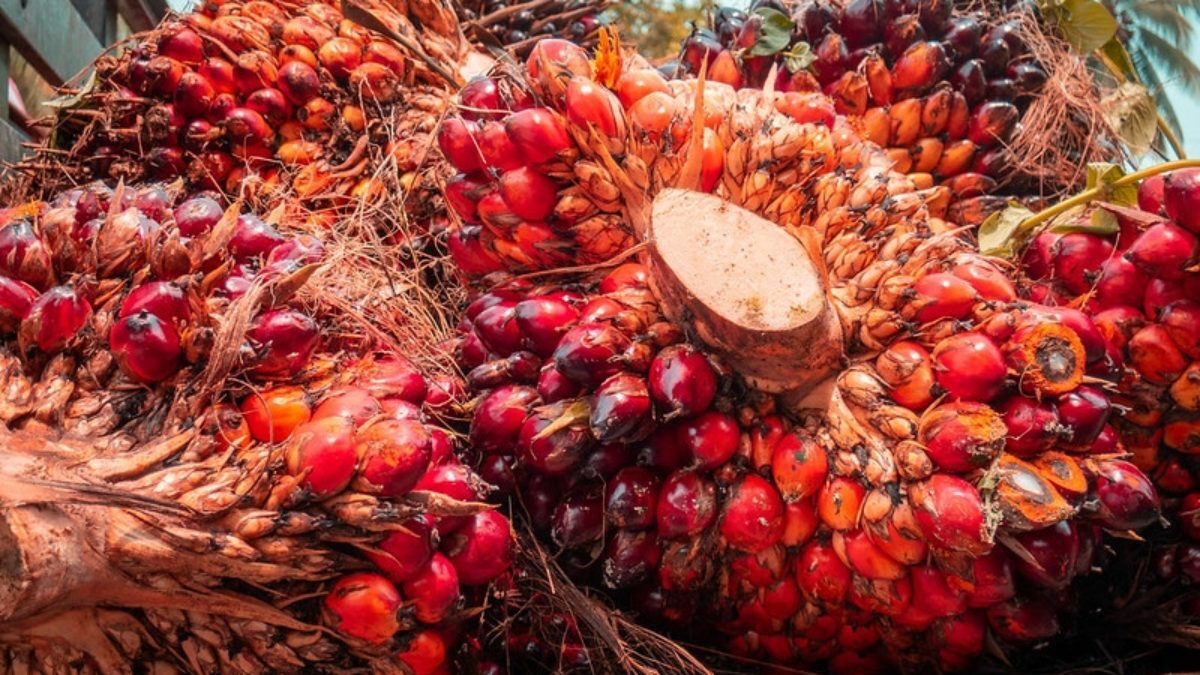
Food adulteration has become a pervasive and deadly problem in Nigeria, silently threatening the health of millions. Across markets and food stalls, everyday staples, palm oil, fruits, vegetables, meat, and grains, are being tainted with toxic substances to boost appearance or maximise profits. Industrial dyes colour palm oil a deceptively vibrant red, fruits and vegetables are unnaturally ripened with harmful chemicals like calcium carbide and formalin, and even meat is treated with dangerous substances to make it seem fresher or more tender. What should nourish is now turning into a silent killer on the plates of unsuspecting Nigerians
These dangerous practices, often driven by traders seeking to cut costs or make products more visually appealing, continue to put public health at serious risk in a country already burdened by weak regulatory oversight and low consumer awareness. Experts warn that food adulteration is contributing to a surge in liver and kidney failure, cancer, food poisoning, and other chronic illnesses. Despite attempts to enforce food safety standards, implementation remains inconsistent, allowing harmful products to continue reaching local markets and unsuspecting consumers.
Use Of Bleach, Detergent In Cassava Processing
LEADERSHIP Weekend investigation has uncovered a disturbing trend: the widespread use of household chemicals, such as hypochlorite bleach and detergents, in fermenting cassava. This illegal and hazardous practice is being carried out by processors in multiple states across the country. The chemically-treated cassava is then sold in 25kg and 50kg sacks to unsuspecting retailers, who turn it into edible fufu balls—commonly referred to in Pidgin as “Packet Shirt.
Further investigation revealed that these chemicals, originally intended for washing fabrics and disinfecting toilets are being added to cassava after it has been soaked in containers. Processors claim the toxic additives speed up fermentation, reduce foul odors, and whiten the product, making it more visually appealing to consumers, despite the serious health risks involved.
For many fufu sellers, this dangerous shortcut translates into faster turnover and higher profits, particularly during the rainy season, when natural fermentation takes longer putting both consumers and vendors at serious risk.
A fufu seller in Ekpoma, Edo State, who identified herself simply as Mama Efosa, told our correspondent who posed as a prospective fufu entrepreneur that adding a sachet of bleach or detergent to soaked cassava helps it ferment in just two to three days, a process that would normally take five. “That’s the secret to making money in this business,” she admitted, highlighting the dangerous shortcuts some vendors take to boost profits.
Another fufu seller in Uromi, Edo State, Obehi Ehize, confirmed Mama’s revelation, describing the use of bleach and detergent in cassava fermentation as a common practice. When asked if her family consumes the fufu prepared this way, she said no. “We prepare the one we eat separately; we don’t use detergent on it,” she explained. When pressed on why, she added, “Because we know that detergent is not meant for consumption.”
Another seller in Nyanya Market, Abuja, Mrs. Thomas Angela, said she buys her fufu from suppliers in Ondo State. When asked if she was aware of the use of chemicals, she confessed that her supplier once admitted to using “a little quantity” of bleach, adding that “If other chemicals haven’t killed Nigerians, Hypo won’t either.
Study Warns Of Severe Kidney Damage Linked To Detergent-processed Cassava–
A recent scientific study by researchers at Obafemi Awolowo University (OAU), in collaboration with the National Agency for Food and Drug Administration and Control (NAFDAC), has provided strong evidence of the danger of detergent process cassava. The study, titled “Assessment of the Toxicity and Biochemical Effects of Detergent Processed Cassava on Renal Function of Wistar Rats”, found that cassava processed with detergent severely damaged kidney function in rats.
The study raised serious public health concerns over the widespread practice of adding detergent to cassava during fufu processing, revealing that the habit can cause severe kidney damage and even death in laboratory animals.
The research assessed the toxic and biochemical effects of detergent-processed cassava on the renal function of male Wistar rats. Published in the National Library of Medicine, the study found that cassava fermented with detergent, still used in some communities to whiten fufu, reduce odour and extend shelf life, led to sharp increases in mortality and significant kidney impairment.
The acute toxicity tests revealed that rats fed fufu prepared with increasing concentrations of detergent (250, 500 and 750 g/l) recorded higher death rates in direct proportion to the amount of detergent used.
Sub-chronic tests conducted over four weeks, using lower detergent concentrations (10–50 g/l), showed that all exposed rats developed serious biochemical signs of kidney dysfunction. Plasma and urine analyses revealed significantly elevated levels of creatinine and urea, key indicators of impaired renal function.
Further urinalysis detected glucose, ketone bodies, blood and protein in urine samples, signalling kidney injury.
Microscopic examination of the kidneys confirmed extensive structural damage. The researchers observed distorted renal corpuscles, diffuse loss of tubules, and infiltration of inflammatory cells within the kidney cortex, pointing to severe renal deterioration.
Detergents contain surfactants and other industrial chemicals such as Linear Alkylbenzene Sulfonates (LAS), sodium carbonate and sodium sulphate. LAS, in particular, is identified in European Union reports as highly toxic, capable of damaging gastric tissues and disrupting blood pH balance when ingested.
The authors warned that such practices expose consumers to harmful chemicals capable of damaging vital organs such as the kidneys.
The study concluded that detergent-processed cassava “has adverse effects on the structure and function of the kidneys,” calling for urgent discontinuation of the practice across communities and stronger regulatory oversight to protect public health.
The researcher also urged policymakers, food safety agencies and agricultural extension services to intensify education and enforcement to eliminate the hazardous technique from local cassava processing.
“The summary of findings in this study suggests that detergent processed cassava is harmful to the kidneys of Wistar rats as evident by the alterations in the biochemical and histological assessments of the treated rats when compared with the controls. The use of detergent in processing cassava into fufu should be discontinued and agencies for food control should look into this and deploy measures to curtail and end the practice,” the study concluded.
Artificial Fruit Ripening With Harmful Chemicals
Amid rising concerns over food safety in the country, some fruit sellers in Abuja have admitted to using calcium carbide to hasten the ripening of bananas, despite widespread warnings from health experts and regulatory authorities on its health risks.
LEADERSHIP Weekend investigation revealed that the practice is widespread across the country. While some traders claim ignorance of the danger, others acknowledge the risks but continue using the chemical for financial gains.
One of the fruit sellers at the Utako Market in Abuja, by name Eneojo, told our correspondent that using calcium carbide ensures her bananas ripen within two days, allowing her to sell faster than those who rely on natural ripening methods.
“If I wait for my bananas to ripen naturally, it could take up to two weeks and I won’t make sales daily. But with carbide, I can sell five times faster. It makes business easy,” she said.
Shockingly, she revealed that she does not use the chemical on fruits her family consumes. “Carbide is a chemical. I don’t know what it can cause, but with how cancer is everywhere now, I don’t want to risk it for my family,” she added.
Meanwhile, NAFDAC has reiterated its stance on the ban of calcium carbide in fruit ripening. The agency described the practice as a criminal offense, warning that perpetrators would be prosecuted.
NAFDAC DG explained that calcium carbide reacts with water to produce acetylene gas, which mimics ethylene, the natural ripening hormone in fruits. However, the gas comes with toxic impurities.
“Consuming such artificially ripened fruits can result in serious health issues including heart failure, cancer, and respiratory disorders. The skin may appear ripe, but the fruit inside is often hard, tasteless, and harmful,” she said.
“Check for uniformity in color, smell, and softness. Naturally ripened fruits have a pleasant aroma and even texture,” she advised.
Also, former chairman of the Pharmaceutical Society of Nigeria (PSN), FCT Chapter, Pharm. Jelili Kilani, told LEADERSHIP Weekend that the use of calcium carbide, a chemical compound commonly used in industrial welding, for fruit ripening is extremely dangerous.
According to him, the chemical contains hazardous substances such as arsenic and phosphorus. “Calcium carbide is banned in many countries because of its toxicity, yet it is used widely here. Fruits are supposed to be a source of nutrition and immunity, but using carbide to ripen them turns them into health risks,” said Kilani.
He explained that while the chemical gives fruits a deceptive appearance of ripeness, the inside often remains unripe and less nutritious. Prolonged consumption, he warned, can lead to severe health conditions including cancer, kidney and liver damage, sleep disorders, neurological issues, and even miscarriage in pregnant women.
“Most people are unaware that what looks like ripe fruit may only have ripened skin. The chemical affects the mucosal tissues, causes vomiting, skin ulcers, dizziness, cerebral edema and more,” Kilani stated.
Cooking Of Meat With Paracetamol
Restaurant and bar operators are not left out in this unhealthy practice as many of them have resorted to using paracetamol; a common over-the-counter pain reliever, to soften tough cuts of meat such as cow leg and cow head. This practice, though unknown to many consumers, poses serious health risks, according to health experts.
In Mararaba, Nasarawa State, a bar attendant who spoke to LEADERSHIP Weekend on condition of anonymity confessed to the practice, admitting that paracetamol tablets are often added to pots of boiling meat to reduce cooking time.
“Cow leg and head take a lot of time to soften. Using paracetamol makes it faster and saves us money on gas or charcoal,” he said. However, he claimed to be unaware of the potential health hazards. “I honestly didn’t know it could be dangerous. Everyone is doing it,” he added.
Pharmacists and medical doctors have consistently warned against the practice, describing it as not only illegal but also extremely dangerous to human health. According to medical experts, when paracetamol is exposed to heat, it undergoes chemical decomposition and releases harmful compounds such as 4-aminophenol and other toxic metabolites.
LEADERSHIP Weekend recalls that NAFDAC had issued a public alert on dangerous and unapproved use of paracetamol tablets in food preparation.
The agency had urged Nigerians to use genuine NAFDAC registered table salt (in moderation) to tenderize meat by soaking it in salted water for about 30 minutes prior to cooking, to prevent serious health consequences that may result from dangerous and illegal use of paracetamol tablets in food preparation.
Other established and safe methods for tenderising meat, according to NAFDAC include cooking with a pressure cooker, marinating (soaking) with vinegar, citrus juices or wine before cooking.
Speaking on the rising dangerous food adulteration practices, a food scientist, John Funsho Tehinse, warned that unscrupulous vendors are endangering public health by adding toxic substances such as diesel and Sudan red dye to edible products like palm oil.
“In every society, there are people who cut corners, and in Nigeria, food adulteration has become rampant. People now ripen fruits artificially, add Sudan red dye to palm oil to give it a bright red color, and even mix diesel with palm oil to increase volume because the two share similar fatty acid compositions. These are highly toxic practices that pose serious health risks,” he said.
According to Tehinse, some vendors also use undisclosed chemicals on meat and fish to repel flies, a deceptive tactic that hides spoilage but introduces harmful substances into the food chain. “If you go to the market and see meat or fish without a single fly on it, that’s a red flag. Flies are naturally attracted to fresh meat. If they’re absent, chemicals may be involved,” he warned.
Tehinse also drew attention to the Nigerian Food Safety and Quality Policy, launched in 2024, which now holds food producers and vendors accountable for health issues arising from unsafe food practices.
“Before now, if you got sick from contaminated food, there was no one to hold responsible. But with the new policy, producers and vendors can be prosecuted if it’s proven that their products caused harm,” he explained.
The Federal Competition and Consumer Protection Commission (FCCPC) is empowered under the policy to prosecute offenders, with environmental health officers enforcing compliance at both federal and state levels.
“NAFDAC can test and confirm the presence of harmful substances, but FCCPC is the one that can charge you to court and even make the offender pay compensation for hospital treatment,” Tehinse said.
Food safety concerns in Nigeria are no longer limited to bacterial contamination, Tehinse added. The new frontier includes the excessive consumption of legally permitted chemicals like salt, sugar, and trans fats, which are fueling a rise in non-communicable diseases (NCDs) such as cancer, diabetes, obesity, and hypertension.
“Sweetened beverages, excess salt and unhealthy fats have become common in diets. Over time, they lead to health problems that aren’t caused by germs but by what we repeatedly eat,” he explained.
The food scientist told LEADERSHIP Weekend that “Food safety now includes anything that disrupts your health, whether it’s a chemical, bacteria, or lifestyle.” While advising Nigerians to become more vigilant and educated about food safety, particularly by learning what real, unadulterated food looks and smells like.
“If your palm oil is too red, or your meat is free of flies, don’t buy it. And don’t be deceived by cheaper prices, your health is more important,” he advised.
He called for intensified public education campaigns and enforcement of the food safety policy to stem the tide of rising food-related illnesses in the country.
The former Minister of Innovation, Science and Technology, Chief Uche Geoffrey Nnaji, had said that Nigeria loses an estimated $3.6 billion annually to foodborne illnesses through productivity losses, healthcare expenses, and trade restrictions.
He cited World Health Organisation (WHO) data indicating that over 200,000 Nigerians, many of them children, die each year from food-related diseases.
“This is a silent epidemic. From meat softened with paracetamol, to cassava fermented with detergent, and red oil laced with industrial dyes like Sudan IV, we are witnessing a quiet war against public health. These are not cultural missteps, they are criminal acts punishable under our laws,” Nnaji said.
According to NAFDAC, Use of chemicals in food is associated with grievous health hazards. Director-General of NAFDAC, Prof. Moji Adeyeye, however said that adequate education was needed, noting that the agency was doing a lot of awareness campaigns through its state offices for Nigerians to know that use of chemicals in processing foods is dangerous.
Meanwhile, the federal government recently launch the Food Safety Operational Manual for Food Business Operators, a first-of-its-kind regulatory guide aimed at improving hygiene and food handling practices across markets, street shops, restaurants, bakeries, and other public food outlets.
The manual, developed by the Nigerian Council for Food Science and Technology (NiCFoST), under the leadership of Registrar/CEO Mrs. Veronica Ezeh, targets food vendors in high-risk informal settings such as street stalls, open markets, and roadside kiosks. It provides unified, science-based guidance for local government food inspectors and food safety officers.
Eze warned that rising cases of terminal illnesses such as kidney failure, liver cirrhosis, cancer, diabetes, and hypertension are increasingly linked to unsafe food handling and unethical practices by food vendors.
Disturbingly common practices, she said, include: soaking cassava in detergent to speed up softening for fufu preparation, Washing fruits and vegetables with soap or detergent, ripening fruits with calcium carbide, cooking meat with paracetamol to make it tender, adding dangerous industrial dyes like Sudan IV to red oil and pepper, using burning tyres to remove animal skin.
“These acts are criminal. They are slow poisons that destroy lives and livelihoods. They are worse than armed robbery,” she said.
According to Ezeh, such harmful practices often go unchecked due to the failure of many local government councils to employ qualified food professionals, despite clear constitutional mandates under Chapter 8 of the Fourth Schedule.
“We are institutionalising a culture of food safety in Nigeria. This manual is both a tool and a shield for food business operators,” Ezeh said, urging local authorities to urgently recruit and deploy licensed food professionals.
She further emphasised that selling harmful food items is a criminal offence under Nigeria’s Criminal Code Act, Sections 243 and 244, with punishments of up to two years’ imprisonment.
Described food safety as a critical pillar of public health and national development, the Minister of Health and Social Welfare, Prof. Ali Pate, cited recent findings by the Global Alliance for Improved Nutrition (GAIN), which revealed that approximately 20 per cent of hospital admissions in urban areas are due to foodborne diseases.
“Food is the cornerstone of our nation’s health and prosperity. But when food safety is compromised, it affects not just individual health but families, communities, and our economic growth,” the minister said.
Meanwhile, effort to obtain a response from the Federal Competition and Consumer Protection Commission (FCCPC) regarding the implementation of the Nigerian Food Safety and Quality Policy proved abortive.
We’ve got the edge. Get real-time reports, breaking scoops, and exclusive angles delivered straight to your phone. Don’t settle for stale news. Join LEADERSHIP NEWS on WhatsApp for 24/7 updates →
Join Our WhatsApp Channel